Trusted by 180+ Homeowners
Attic Mold Remediation in Fridley, MN
- Over 180 5-Star Reviews
- Free Estimates and Quotes
- 100% Satisfaction Guaranteed
- Child, Family & Pet Safe Steps
- 24-Hour Emergency Service
- Fully Licensed & Insured
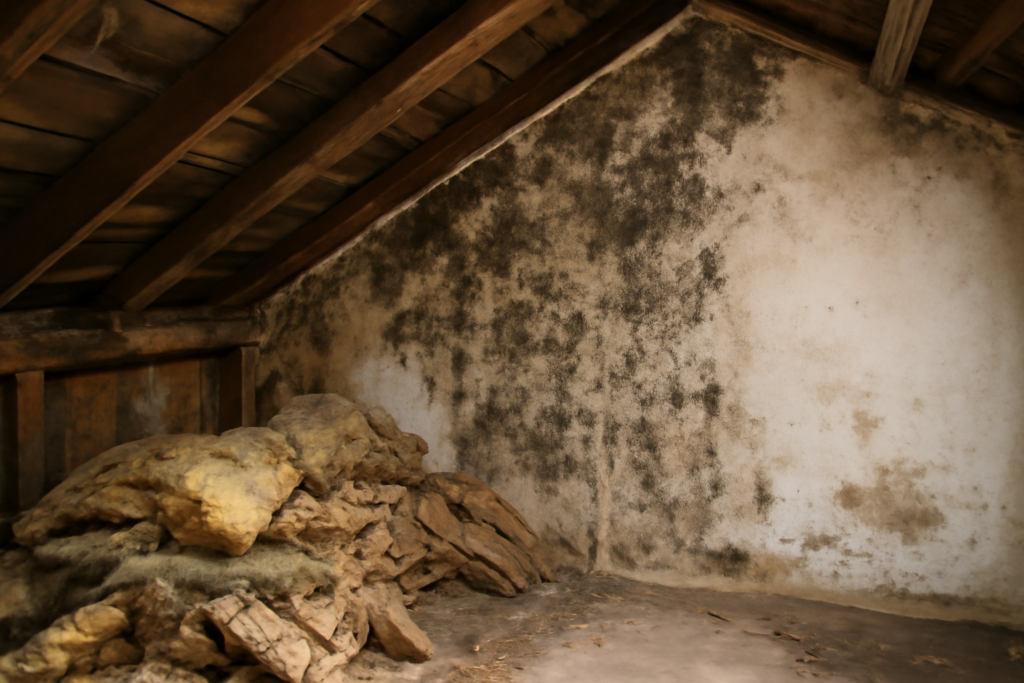
Battling Mold in Your Fridley, MN Attic? We Can Help.
Here in Fridley, MN, we know all about the humid summers and cold, damp winters. That kind of weather can create the perfect breeding ground for mold in your attic, especially if there’s any kind of moisture issue. You might notice a musty smell that won’t go away, or maybe you’ve spotted some discolored spots on your insulation or wood. It’s easy to ignore, but attic mold is a serious problem that needs professional attention sooner rather than later.
Homeowners around here trust our team because we understand the unique challenges of dealing with mold in this area. We’ve helped hundreds of families in your neighborhood reclaim their attics, and we bring that same dedication to your property. Our goal is to get your attic back to a healthy state, ensuring your home’s integrity is restored.
- We focus on isolating the mold source and preventing its return, not just cleaning visible spots.
- Our methods ensure that mold spores are safely contained and removed, protecting your family’s health.
- We provide detailed assessments to help you understand the extent of the problem and how to prevent it in the future.
How We Tackle Attic Mold: Our Proven Process
When mold takes hold in your attic, it’s not just about making things look clean. It’s about understanding the root cause of the moisture and eliminating the mold spores effectively and safely. Cutting corners here can lead to mold returning, spreading further, and causing more damage. Our process is designed to be thorough, ensuring we address the problem completely and leave your attic in a better, healthier condition.
Step 1: Initial Assessment and Containment
We start with a detailed inspection to identify the type of mold, its extent, and the moisture source. Then, we set up containment barriers using specialized plastic sheeting and negative air pressure machines. This crucial step prevents mold spores from spreading into the rest of your home, ensuring your living space remains safe during the remediation.
Step 2: Moisture Source Identification and Repair
Finding and fixing the water problem is key to preventing mold’s return. We’ll look for leaks, condensation issues, or ventilation problems. Sometimes, this might involve recommending simple fixes like improving attic ventilation or sealing air leaks. Addressing the moisture source prevents future growth.
Step 3: Mold Removal and Cleaning
Using specialized equipment and cleaning agents, our crews carefully remove mold from all affected surfaces. This includes insulation, wood framing, and drywall. We use HEPA vacuums and antimicrobial solutions to ensure all mold is thoroughly eradicated and the area is cleaned.
Step 4: Deodorization
Mold can leave behind stubborn odors. After cleaning, we use professional deodorizing equipment, like ozone generators or thermal foggers, to neutralize any lingering smells. This step ensures your attic not only looks clean but also smells fresh and healthy again.
Step 5: Post-Remediation Inspection and Prevention Advice
Once the work is done, we conduct a final inspection to confirm the mold is gone and the air quality is improved. We’ll also provide you with practical advice on how to maintain a dry attic and prevent future mold issues. This includes tips on insulation, ventilation, and regular checks, helping you protect your investment long-term.
Don’t let attic mold compromise your home’s health. Reach out to our team for a thorough inspection and remediation plan. We’re here to help you achieve a mold-free and healthy attic.

Warning Signs You Need Attic Mold Remediation
Catching attic mold early is your best defense against costly damage and potential health concerns. These subtle signs can indicate a problem brewing in your attic, so it’s wise to know what to look for. Ignoring them can lead to more extensive and expensive repairs down the road.
Musty Odors That Won’t Go Away
If you notice a persistent earthy or musty smell, especially when you’re in the attic or it seems to drift down into your living space, it’s a strong indicator of mold growth. This smell is often the first sign of hidden mold.
Visible Mold Growth
Mold can appear in various colors: black, green, white, or even orange. You might see it on insulation, wood joists, or the underside of your roof sheathing. Any visible fuzzy or slimy patches are a clear sign you need immediate professional attention.
Water Stains or Discoloration
Look for dark spots or rings on your attic’s ceiling or walls. These often appear after a leak or period of high humidity and indicate where moisture has been present, creating an ideal environment for mold.
Peeling or Bubbling Paint/Wallpaper
In finished attic spaces or under eaves, moisture from mold growth can damage paint and wallpaper, causing them to peel or bubble. This points to moisture issues that are impacting your home’s structure, requiring prompt remediation services.
Health Symptoms
Some people experience allergic reactions to mold, such as sneezing, coughing, itchy eyes, or respiratory problems. If you or your family members are experiencing unexplained health issues that improve when you leave the house, your attic might be the culprit, and prompt mold removal is essential.
Damp or Wet Insulation
If your attic insulation feels damp, looks discolored, or is clumpy, it’s a strong sign of moisture intrusion. This dampness provides the perfect food source for mold, leading to significant mold colonization.
Attic Mold Remediation vs. DIY: When To Call a Professional
| Situation | DIY? | Call a Pro? | Why |
|---|---|---|---|
| Small, visible mold spots (less than 1 sq ft) on non-porous surfaces. | Yes, with proper safety gear. | Maybe | Can be cleaned with household cleaners, but always test a small area first. |
| Musty odors but no visible mold. | No | Yes | Hidden mold growth behind walls or in insulation requires specialized detection and removal. |
| Mold growth on porous materials like drywall or insulation. | No | Yes | These materials often need to be safely removed and replaced, which requires expertise. |
| Evidence of past water leaks or ongoing moisture issues. | No | Yes | The source of moisture must be identified and repaired to prevent recurrence. |
| Large areas of mold (more than 1 sq ft) or suspected toxic mold. | Absolutely Not | Yes | These situations pose significant health risks and require professional containment and remediation. |
| Concern about airborne mold spores affecting family health. | No | Yes | Professionals use advanced equipment to contain and remove spores safely. |
While small, isolated patches on hard surfaces might seem manageable for DIY, most attic mold situations are complex. When you’re dealing with porous materials, widespread growth, or persistent moisture issues, calling our experienced team is the safest and most effective choice.
Attic Mold Remediation Cost In Fridley, MN
The cost of attic mold remediation in Fridley, MN can vary depending on several factors, including the size of the affected area, the severity of the mold growth, and the complexity of the moisture source. These figures are estimates, and a detailed on-site assessment will provide a more precise quote.
| Service | Typical Price Range | What Affects Cost |
|---|---|---|
| Attic Mold Inspection & Assessment | $200 – $600 | Complexity of attic, need for air quality testing. |
| Containment Setup | $300 – $800 | Size of attic, number of access points. |
| Surface Mold Cleaning (non-porous) | $500 – $1,500 | Extent of growth, type of cleaning agents used. |
| Porous Material Remediation (e.g., insulation removal) | $1,000 – $4,000+ | Amount of material needing removal, disposal costs. |
| Deodorization | $300 – $700 | Size of space, type of deodorizing equipment. |
| Air Scrubbing & HEPA Vacuuming | $400 – $1,200 | Duration of treatment, number of machines used. |
These prices reflect typical attic mold remediation work. For an accurate estimate tailored to your specific situation, we offer free, no-obligation assessments.
Service Areas Near Fridley, MN
Columbia Heights, Spring Lake Park, Mounds View, New Brighton, Blaine, Coon Rapids, Anoka, Ramsey, Brooklyn Park, Osseo, Maple Grove, Plymouth, Robbinsdale, Crystal, New Hope, Minneapolis, Saint Paul, Shoreview, Vadnais Heights, White Bear Lake.
Common Questions About Attic Mold Remediation
What causes mold to grow in my attic?
Attic mold typically grows due to excess moisture. This can stem from roof leaks, condensation on pipes or vents, poor attic ventilation, or even humidity from bathrooms and kitchens venting improperly into the attic space. Identifying and fixing the moisture source is critical for preventing mold from returning.
How long does attic mold remediation usually take?
The timeline depends heavily on the extent of the mold and the complexity of the moisture problem. A small job might take a day or two, while a more extensive remediation could take three to five days or longer. We’ll provide a more specific estimate after our initial assessment.
Is attic mold dangerous to my health?
Yes, attic mold can pose health risks, especially for individuals with allergies, asthma, or compromised immune systems. Mold spores can become airborne and inhaled, leading to respiratory issues, allergic reactions, and other symptoms. Our process focuses on safely containing and removing spores to protect your family’s well-being.
What equipment do you use for attic mold removal?
Our technicians use a variety of professional-grade equipment, including HEPA-filtered vacuums for safe spore collection, industrial air scrubbers to clean the air, specialized cleaning solutions, and containment systems like plastic sheeting and negative air machines. We also utilize moisture meters and thermal imaging cameras to accurately assess the damage.
How can I prevent mold from coming back after remediation?
Prevention is key. After we’ve cleaned your attic, maintaining proper attic ventilation is crucial. Ensure exhaust fans from bathrooms and kitchens are vented directly outdoors, not into the attic. Regularly check for any signs of leaks or condensation, and consider using a dehumidifier if necessary. These steps help keep your attic dry and mold-resistant long-term.
Check Our Other Relevant Services
Serving Fridley, MN And Nearby Areas