Victoria, MN · Carver County
Basement Water Damage Restoration in Victoria, MNBasement Sewer Backup Cleanup & Basement Water Extraction
Basement Water Damage Restoration in Victoria runs from basement water extraction and basement floor water removal to basement dehumidification.
Answered 24/7
Local Basement Water Damage Restoration Near Victoria
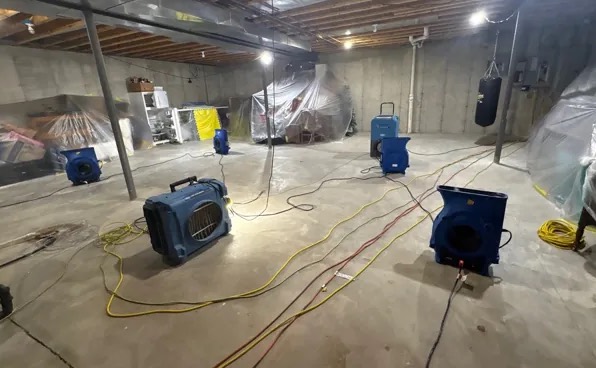
A basement dries slower than any other part of a house. The air is cool, there is little sunlight and the concrete holds moisture for a long time. In Victoria, that makes extraction and steady dehumidification important.
One burst pipe or heavy storm in Victoria can flood a basement. Local restoration pros serve Victoria and nearby Minnetrista, Mound and Chaska, with help available around the clock.
Basement Water Damage Restoration Services in Victoria
Basement Sewer Backup Cleanup
After a sewer backup, cleanup and disinfection come before drying, so contaminated surfaces are not left in place.
Basement Water Extraction
Basement water is removed before drying starts, because every gallon left behind keeps the walls and air damp.
Basement Drying Services
Air movers and dehumidifiers are placed to dry walls, framing and the slab. Below-grade rooms dry slowly, so readings are taken daily.
Basement Mold Prevention
After drying, an antimicrobial can be applied to framing and concrete that were wet, to slow mold on surfaces that stay in place.
Emergency Basement Flood Cleanup
Help is available any hour when water is rising in the basement from a burst pipe, a sewer backup or heavy rain.
When to Consider Basement Water Damage Restoration for Your Victoria Home
Rusted Appliances or Pipes
Rust on the water heater, furnace base or pipes points to repeated moisture or past flooding.
Sump Pump Failure or Overflow
A sump pump that runs constantly, fails to start or lets the pit overflow puts the basement at risk.
Damp or Musty Odors
A damp, earthy or musty smell in the basement often means hidden moisture in walls, carpet or the slab.
Mold on Surfaces
Dark spots on drywall, framing or stored boxes mean the area has stayed wet for days.
How Basement Water Damage Restoration Works in Victoria
Step 1: Initial Assessment and Water Removal
The source and type of water are identified, and standing water is removed right away.
Step 2: Focused Drying of Materials
Walls, framing and the slab are dried with directed airflow, with wet insulation removed.
Step 3: Air Quality Management
Air scrubbers filter dust and odors from removal work while drying continues.
Step 4: Documentation for Restoration
Photos, readings and a list of removed materials are prepared for insurance and rebuilding.
What Causes Basement Water Damage Restoration in Victoria
Window Well Flooding
Window wells without drains or covers fill with rain and leak through basement windows.
Water Heater or Appliance Leaks
Water heaters, washers and utility sinks in the basement can leak or fail without warning.
Sewer Line Backups
A blocked or overloaded sewer line pushes wastewater up through basement drains and toilets.
Stormwater Runoff Into Lower Levels
Heavy rain running off hard ground or a sloped yard can pour down stairwells and under doors into below-grade rooms.
Home and Business Basement Water Damage Restoration in Victoria
Residential Basement Water Damage Restoration
Finished basements used as living space need carpet, pad and lower drywall checked carefully. Soaked materials are removed so the walls and slab can dry.
Commercial Basement Water Damage Restoration
Businesses with below-grade storage need inventory moved out of the water quickly. Wet stock is separated and documented for insurance.
When to DIY and When to Call the Pros for Basement Water Damage Restoration
Fans alone can push damp air into the rest of the house. Basement drying needs dehumidifiers to pull the moisture out of the air and the concrete.
Understanding Basement Water Damage Restoration Pricing in Victoria
In Victoria, basement jobs often run longer than upper-floor jobs because concrete dries slowly. Equipment days make up much of the bill.
Drying Time Required
Basements dry slowly, and longer drying means more equipment days and monitoring visits.
Water Category
Clean water costs less to handle than sewage, which needs protective gear, removal and disinfection.
Access Complexity
Narrow stairs, low ceilings and stored contents can make the work slower.
Does Insurance Cover Basement Water Damage Restoration?
Photograph the water level, damaged belongings and appliances before cleanup starts, and keep receipts for emergency pumping and drying to send to your insurer.
The Value of Local Pros for Basement Water Damage Restoration in Victoria
Advanced Moisture Detection
Moisture meters and thermal cameras find water in walls and slabs that looks dry.
Water Type Handling
Clean water, gray water and sewage are each handled with the right protection and removal steps.
Containment Strategies
Plastic sheeting keeps contaminated areas separate from clean parts of the house.
Victoria Emergency Basement Water Damage Restoration Response
Storm night, weekend or holiday, local restoration pros handle flooded basements in Victoria. Call (612) 688-3131 to get the pumps running and the water out.
Call Now (612) 688-3131Basement Water Damage Restoration Serving Victoria, Minnetrista, Mound and Chaska
Help with basement water damage restoration reaches Minnetrista, Mound and Chaska, plus other communities around Victoria, for finished and unfinished basements alike.
- Basement Water Damage Restoration in Minnetrista
- Basement Water Damage Restoration in Mound
- Basement Water Damage Restoration in Chaska
- Basement Water Damage Restoration in Waconia
- Basement Water Damage Restoration in Chanhassen
- Basement Water Damage Restoration in Shakopee
- Basement Water Damage Restoration in Minnetonka
- Basement Water Damage Restoration in Medina
- Emergency Damage Restoration in 55386
- Fire Damage Restoration in 55386
- Mold Remediation Services in 55386
- Storm Damage Restoration in 55386
- Water Damage Restoration in 55386
- Water Leak Detection in 55386
Basement Water Damage Restoration Common Questions Answered
What is the purpose of basement wall drying?
To remove water from drywall, insulation, framing and concrete so the walls can be repaired without trapping moisture.
What does below-grade moisture removal include beyond pumping?
Extracting carpet and pad, opening wet walls, running air movers and dehumidifiers, and checking readings until dry.
Should I try below-grade waterproofing myself after flooding?
Sealing a small crack can be a DIY job, but drying must come first, and larger waterproofing work should go to a contractor.
Why is quick action important for below-grade flood restoration?
Basements dry slowly, so every hour of standing water adds days of drying and more material to replace.
Does basement mold prevention need special steps after flooding?
Fast drying is the main step. Wood and concrete that stayed wet can be treated with an antimicrobial once dry.