Wyoming, MN · Chisago County
Basement Water Damage Restoration in Wyoming, MNBasement Drying Services & Basement Water Extraction
Basement Water Damage Restoration in Wyoming runs from basement water extraction and basement floor water removal to basement dehumidification.
Answered 24/7
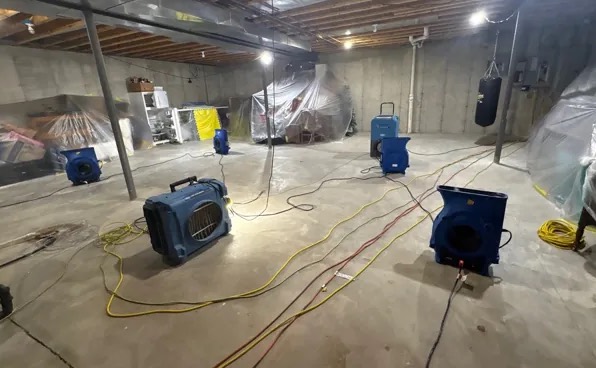
Expert Basement Water Damage Restoration Serving Wyoming
In a Wyoming home with a basement and a sump pump, a pump that fails during heavy rain lets water rise fast. Furnaces, water heaters, washers and stored belongings all sit at floor level and take the damage first.
Homes in Wyoming and nearby Forest Lake, Chisago City and East Bethel with basements deal with seepage, plumbing leaks and sewer backups. Help with basement water damage restoration covers pumping, removal of wet materials and drying of walls and concrete.
Complete Basement Water Damage Restoration for Wyoming
Basement Drying Services
Drying a basement takes longer than drying an upper floor because the air is cool and the concrete holds moisture.
Basement Water Extraction
Submersible pumps remove deep standing water, then portable extractors pull water from carpet, pad and the concrete floor.
Basement Dehumidification
Large dehumidifiers pull moisture from the basement air so walls, framing and the slab can release their water.
Emergency Basement Flood Cleanup
A flooded basement can damage furnaces, water heaters and stored items quickly. Fast pumping limits how much is lost.
Basement Wall Drying
Finished basement walls hide wet insulation and framing. Removing the bottom of the drywall lets air reach the cavity.
Warning Signs You Need Basement Water Damage Restoration
Peeling Paint or Wallpaper
Paint that peels or blisters on basement walls often has moisture behind it.
Condensation on Windows or Pipes
Water beading on cold pipes or basement windows shows high humidity that keeps materials damp.
Wet or Stained Basement Walls
Dark, wet patches or tide lines on basement walls show where water seeped in or wicked up.
Mold on Surfaces
Dark spots on drywall, framing or stored boxes mean the area has stayed wet for days.
How Basement Water Damage Restoration Works in Wyoming
Step 1: Floodwater Pump-Out
Submersible pumps remove deep water, and electrical hazards are checked before anyone walks in it.
Step 2: Deep Moisture Extraction
Extractors pull water from carpet, pad and the concrete floor after the deep water is gone.
Step 3: Air Circulation and Drying
Air movers keep dry air moving across walls and floors throughout the basement.
Step 4: Dehumidification and Verification
Dehumidifiers run until humidity and material readings confirm the basement is dry.
Typical Sources of Basement Water Damage in Wyoming
High Water Table and Hydrostatic Pressure
A high water table pushes groundwater up through the slab and into the joints between wall and floor.
Foundation Cracks and Leaks
Cracks in foundation walls let groundwater and melting snow seep into the basement.
Window Well Flooding
Window wells without drains or covers fill with rain and leak through basement windows.
Clogged Floor Drains
A floor drain blocked by debris cannot carry off water from a leak or overflow, so it spreads across the basement floor.
Basement Water Damage Restoration for Homes and Businesses in Wyoming
Residential Basement Water Damage Restoration
In homes, a flooded basement often means damaged carpet, drywall, a furnace or water heater and stored belongings. Water is pumped out, contents are moved and the space is dried.
Commercial Basement Water Damage Restoration
In commercial buildings, basements hold mechanical rooms, storage and sometimes offices. Water is removed and equipment areas are dried so systems can be checked and restarted.
Basement Water Damage Restoration: Professional Help vs. Doing It Yourself in Wyoming
If a small leak left a puddle on bare concrete, a wet vac and a dehumidifier may be enough. Call local water removal pros if water reached drywall, carpet or framing, or if it came from a sewer drain.
Understanding Basement Water Damage Restoration Pricing in Wyoming
A basement pumped and dried right away in Wyoming usually costs less than one left wet for days, when more drywall and flooring are lost.
Material Saturation
Finished basements with carpet, drywall and insulation take more removal work than bare concrete.
Water Category
Clean water costs less to handle than sewage, which needs protective gear, removal and disinfection.
Drying Time Required
Basements dry slowly, and longer drying means more equipment days and monitoring visits.
Does Insurance Cover Basement Water Damage Restoration?
Many homeowner policies cover sudden basement water from a burst pipe, but not seepage or groundwater. Sewer backup coverage is often a separate add-on, so check your policy.
Advantages of Hiring Local Pros in Wyoming for Basement Water Damage Restoration
Detailed Documentation
Photos, readings and drying logs are kept to support your insurance claim.
Advanced Moisture Detection
Moisture meters and thermal cameras find water in walls and slabs that looks dry.
Industrial-Grade Equipment
Pumps, extractors and large dehumidifiers remove water much faster than household wet vacs and fans.
Round-the-Clock Emergency Basement Water Damage Restoration in Wyoming
Storm night, weekend or holiday, local water removal pros handle flooded basements in Wyoming. Call (612) 688-3131 to get the pumps running and the water out.
Call Now (612) 688-3131Basement Water Damage Restoration Serving Wyoming, Forest Lake, Chisago City and East Bethel
Need basement water damage restoration outside Wyoming? Service also covers Forest Lake, Chisago City and East Bethel, including emergency help during storms.
- Basement Water Damage Restoration in Forest Lake
- Basement Water Damage Restoration in Chisago City
- Basement Water Damage Restoration in East Bethel
- Basement Water Damage Restoration in North Branch
- Basement Water Damage Restoration in Hugo
- Basement Water Damage Restoration in Isanti
- Basement Water Damage Restoration in Andover
- Basement Water Damage Restoration in Ham Lake
- Emergency Damage Restoration in 55092
- Fire Damage Restoration in 55092
- Mold Remediation Services in 55092
- Storm Damage Restoration in 55092
- Water Damage Restoration in 55092
- Water Leak Detection in 55092
Your Basement Water Damage Restoration Questions Addressed
Should I try below-grade waterproofing myself after flooding?
Sealing a small crack can be a DIY job, but drying must come first, and larger waterproofing work should go to a contractor.
Can wet basement drywall be saved after water damage?
Sometimes, if the water was clean and removed quickly. Soaked or sewage-contaminated drywall is cut out above the water line.
Why is dehumidification so important after basement water removal?
Basements hold moisture in the air and concrete. Without dehumidifiers, walls and framing stay damp long after the water is gone.
What is involved in basement water damage restoration?
Pumping out water, removing soaked materials, cleaning contaminated areas, drying walls, framing and concrete, and dehumidifying until readings are normal.
What causes the most common below-grade leaks in homes?
Sump pump failures, foundation cracks, clogged drain tile, sewer backups and burst pipes in the basement ceiling.