Trusted by 180+ Homeowners
Drywall Water Damage Repair in Golden Valley, MN
- Over 180 5-Star Reviews
- Free Estimates and Quotes
- 100% Satisfaction Guaranteed
- Child, Family & Pet Safe Steps
- 24-Hour Emergency Service
- Fully Licensed & Insured

When Water Strikes Your Walls: Drywall Water Damage Repair in Golden Valley, MN
Did you know that nearly 90% of water damage claims involve drywall? It’s a surprising number, but it highlights how vulnerable your walls are. When water finds its way into your home, it doesn’t just sit there. It soaks into porous materials like drywall, leading to sagging, staining, and potential mold growth if not addressed quickly. That’s why addressing drywall water damage right away is so important for your property. We understand the stress this causes, and our team is here to help you navigate it.
Homeowners around here trust our crews because we consistently deliver excellent results. We’ve earned over 165 five-star reviews from neighbors who’ve relied on us for their specific needs. When it comes to your walls, you want a team that understands the nuances of drywall repair. We focus on getting it right, the first time. Our commitment is to restore your home effectively.
- We tackle the root cause of the water intrusion to prevent future issues, not just patch up the current damage.
- Our technicians use specialized drying equipment to ensure the wall cavity is completely dry, inhibiting mold development.
- We handle the entire process, from initial assessment and repair to painting, making it simpler for you.
How Drywall Water Damage Repair Actually Works
A proper process for drywall water damage repair is crucial. Cutting corners here can lead to recurring problems, hidden mold, and compromised structural integrity. Our approach focuses on thoroughness and efficiency. We document everything for your records and insurance needs. When water soaks into drywall, it loses its strength and can become a breeding ground for mold. We make sure that doesn’t happen.
1. Initial Assessment and Water Source Identification
First, we’ll come to your property and thoroughly inspect the water-damaged drywall. We’ll identify the source of the water leak, whether it’s a plumbing issue, roof leak, or condensation problem. Pinpointing the origin is vital before we begin repairs. This step usually takes about an hour, depending on the complexity.
2. Water Extraction and Drying
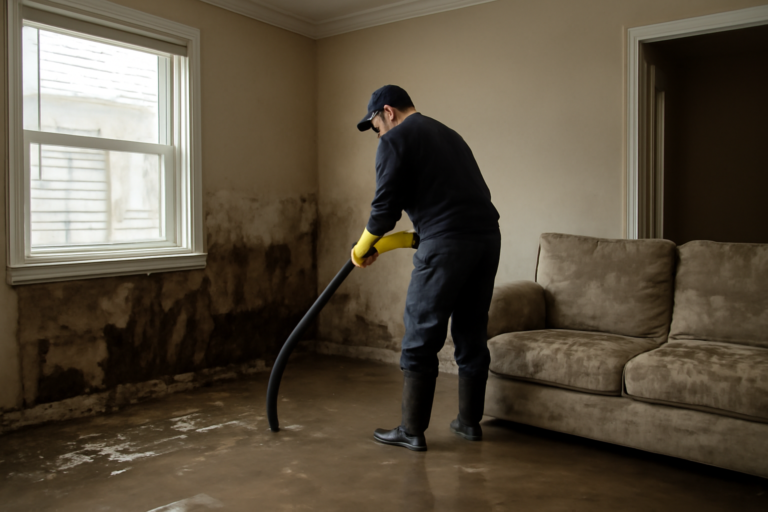
If there’s still standing water or saturated materials, we’ll remove it using professional-grade pumps and vacuums. Then, we set up specialized drying equipment, like air movers and dehumidifiers. These machines work to remove moisture from the air and the wall cavity. This drying process can take anywhere from 24 to 72 hours, sometimes longer depending on how deeply the water has penetrated.
3. Mold Prevention and Containment
As part of the drying process, we’ll also apply antimicrobial treatments to the affected areas. This is a critical step to prevent mold growth. We’ll contain the affected area to prevent any potential spores from spreading. This is usually completed within the drying phase.
4. Damaged Drywall Removal and Disposal
Once everything is thoroughly dried, we’ll carefully remove the compromised drywall. This involves cutting out sections that are stained, warped, or structurally unsound. We use proper containment methods to minimize dust and debris. Safe disposal of materials is always a priority. This can take a few hours to a full day, depending on the extent of the damage.
5. Installation, Finishing, and Painting
New drywall will be installed to replace the removed sections. We’ll then tape, mud, and sand the new drywall to create a smooth, seamless surface. Finally, we’ll prime and paint the repaired area to match your existing walls. Restoring the aesthetic is the last step. This finishing stage typically takes 1-2 days.
Don’t let water-damaged drywall linger. Get a professional assessment to understand the full scope of work needed. Contact us today for a prompt inspection.

Warning Signs You Need Drywall Water Damage Repair
Catching drywall water damage early can save you significant hassle and expense down the line. Ignoring these signs can lead to bigger, more costly problems like structural damage and widespread mold. Your walls are telling you something’s wrong. Pay attention to these indicators.
Discolored Stains or Water Spots
Yellowish or brownish spots on your ceiling or walls are clear indicators of water intrusion. These marks often appear around light fixtures or vents. They signal that water has soaked into the drywall and is starting to break down its integrity. Early detection saves.
Peeling or Bubbling Paint and Wallpaper
When moisture gets behind paint or wallpaper, it loosens the adhesive. You might notice the surface bubbling up or the paint starting to peel away from the wall. This is a direct sign of moisture behind the surface.
Sagging or Soft Spots in the Drywall
Drywall that has absorbed a lot of water becomes heavy and weak. It might start to visibly sag, especially on ceilings. You might also feel soft or spongy areas when you gently press on the wall. This indicates structural compromise.
Musty Odors That Won’t Go Away
A persistent damp, musty smell, even when you can’t see any visible water, often points to hidden moisture. This smell is frequently a sign that mold is starting to grow within the wall cavity. Address the smell promptly.
Cracks or Crumbling Drywall
Water saturation can weaken the gypsum core of drywall, causing it to crack or even crumble. You might see new cracks appearing, or existing ones widening. This shows the drywall is failing.
Mold Growth
Visible signs of mold, often appearing as black, green, or white fuzzy spots, are a serious health concern. If you see mold, it means there’s been a moisture problem for some time. Mold remediation is essential.
Drywall Water Damage Repair vs. DIY: When To Call a Professional
| Situation | DIY? | Call a Pro? | Why |
|---|---|---|---|
| Small, fresh water spot on a ceiling with no sagging. | Yes, maybe. | Yes, definitely. | Even small spots can hide underlying issues. |
| Yellowish stains on walls after a minor leak. | Maybe. | Yes. | Stains mean water has penetrated the drywall layers. |
| Large area of sagging drywall. | No. | Yes, absolutely. | Sagging indicates significant water saturation and potential structural weakness. |
| Musty odor with no visible signs of water. | No. | Yes, immediately. | Hidden moisture and mold require specialized detection and drying equipment. |
| Water damage near electrical outlets or fixtures. | No. | Yes, immediately. | Safety is paramount; electrical hazards are a serious risk. |
| Extensive water damage covering multiple rooms or floors. | No. | Yes, absolutely. | Large-scale damage requires professional assessment, containment, and drying protocols. |
While minor cosmetic issues might seem like a DIY job, significant water damage to drywall requires professional attention. Our team has the expertise and equipment to ensure the job is done right. We protect your home from further damage and mold.
Drywall Water Damage Repair Cost In Golden Valley, MN
The cost of repairing drywall water damage in Golden Valley, MN, can vary significantly. Factors like the size of the affected area, the severity of the saturation, and the complexity of the repair all play a role. These price ranges are estimates and depend on an on-site assessment. We provide clear cost breakdowns.
| Service Aspect | Typical Price Range | What Affects Cost |
|---|---|---|
| Water Mitigation & Drying | $500 – $3,000+ | Extent of saturation, size of area, duration of drying. |
| Drywall Removal & Disposal | $150 – $600+ | Square footage of damaged drywall, complexity of removal. |
| New Drywall Installation | $200 – $800+ | Square footage of new drywall needed, ceiling vs. wall. |
| Taping, Mudding, Sanding | $300 – $1,200+ | Number of coats required, texture matching, size of patched areas. |
| Priming & Painting | $200 – $1,000+ | Square footage to be painted, number of coats, paint quality. |
| Mold Prevention Treatment | $100 – $500+ | Size of area treated, type of treatment used. |
The final cost will depend on a detailed inspection of your specific situation. We offer free estimates so you know exactly what to expect before we begin work.
Service Areas Near Golden Valley, MN
Minneapolis, St. Louis Park, Edina, Minnetonka, Plymouth, Robbinsdale, Crystal, New Hope, Brooklyn Center, Hopkins, Wayzata, Deephaven, Shorewood, Excelsior, Chanhassen, Eden Prairie, Bloomington, Richfield, Fridley, Columbia Heights.
Common Questions About Drywall Water Damage Repair
Q: How long does it take to repair drywall after water damage?
A: The timeline varies greatly depending on the extent of the damage and the drying process. Complete drying can take 24-72 hours or longer. After that, the actual repair, finishing, and painting usually take another 1-3 days. We work efficiently to minimize disruption to your home.
Q: Will my insurance cover drywall water damage repair?
A: In most cases, yes, if the damage resulted from a sudden and accidental event like a burst pipe or storm damage. Damage from long-term leaks or poor maintenance might not be covered. We work closely with insurance adjusters and can help document the damage for your claim.
Q: Is water-damaged drywall a health hazard?
A: Yes, it absolutely can be. Once drywall becomes saturated, it’s an ideal environment for mold and mildew to grow. These can release spores into your air, causing respiratory issues and allergic reactions. Prompt repair is crucial for your family’s health.
Q: What kind of equipment do you use to dry out wet drywall?
A: We use industrial-strength dehumidifiers to pull moisture out of the air and specialized air movers to accelerate evaporation from surfaces. We also employ moisture meters to ensure the drywall and the cavity behind it are thoroughly dried. This professional equipment is essential for effective moisture removal.
Q: Can I just paint over water stains on my drywall?
A: While you might be able to cover minor stains with a stain-blocking primer and paint, this doesn’t address the underlying moisture issue. The water saturation can weaken the drywall itself, and the stains may return. It’s always best to address the root cause and repair any compromised material. We can help assess if a simple cosmetic fix is truly viable.
Check Our Other Relevant Services
Serving Golden Valley, MN And Nearby Areas