
Trusted by 180+ Homeowners
Flood Cleanup Services in St. Louis Park, MN
- Over 180 5-Star Reviews
- Free Estimates and Quotes
- 100% Satisfaction Guaranteed
- Child, Family & Pet Safe Steps
- 24-Hour Emergency Service
- Fully Licensed & Insured
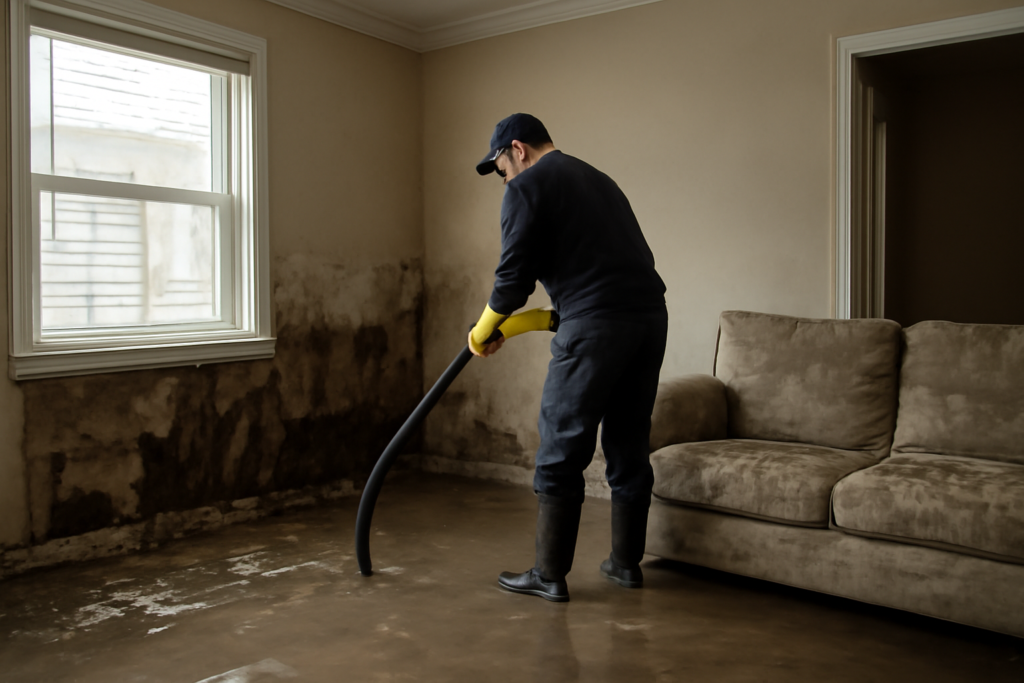
When Water Rises: Expert Flood Cleanup Services in St. Louis Park, MN
If you’re dealing with unexpected water in your home, it’s easy to feel overwhelmed. Don’t try to tackle standing water by yourself, especially if it’s more than an inch or two. The longer water sits, the more damage it causes to your home’s structure and contents. Understanding the immediate steps for effective flood cleanup is crucial to protecting your property here in St. Louis Park, MN.
Locals trust our team because we understand the urgency and stress that comes with flood damage. We’ve helped over 165 homes in the area recover from water incidents, and we’re ready to help you too. You’ll find our approach is focused on quick, efficient action to minimize disruption and restore your home. We’re committed to providing a clear path forward when you need it most.
- Rapid extraction of standing water using specialized equipment to prevent further saturation.
- Thorough drying and dehumidification to inhibit mold growth and protect your home’s integrity.
- Detailed assessment and documentation for insurance purposes, making the claims process smoother for you.
How Our Flood Cleanup Process Works
When you call us for flood cleanup, you’re getting a team that knows the clock is ticking. Every hour that water remains stagnant, it can seep deeper into your floors, walls, and belongings, leading to more extensive and costly repairs. We employ a systematic approach to ensure every drop is removed and your property is dried properly. This isn’t just about removing water; it’s about preventing long-term issues like mold and structural compromise through swift, professional intervention.
Initial Water Extraction
Our crews arrive quickly to begin removing standing water immediately. We use powerful submersible pumps and industrial-grade vacuums designed for large-volume water removal, even in flooded basements or crawl spaces. This critical first step helps prevent water from spreading further and causing more damage.
Structural Drying and Dehumidification
Once the bulk of the water is gone, we set up specialized drying equipment. This includes high-speed air movers and industrial dehumidifiers that work together to remove moisture from the air and materials like drywall, wood, and carpet padding. This process can take several days, depending on the extent of the saturation.
Moisture Monitoring
Throughout the drying process, we use advanced moisture meters to accurately track humidity levels and ensure that materials are drying uniformly. This precise monitoring allows us to adjust our equipment as needed, guaranteeing that we reach the necessary dryness levels to prevent secondary damage.
Odor Control and Sanitation
Floodwaters can carry contaminants and leave behind unpleasant odors. We use professional-grade antimicrobial and deodorizing treatments to not only eliminate smells but also to sanitize affected areas, creating a healthier environment for your family. This step is vital for long-term indoor air quality.
Contents Cleaning and Restoration
We carefully assess your belongings, from furniture to personal items. Many items can be saved through our specialized cleaning and restoration techniques, often right in your home or at our facility. Our goal is to salvage as much as possible, reducing the need for costly replacements.
Don’t wait for water damage to worsen. Contact us immediately if you’ve experienced flooding. We’re here to provide rapid, reliable assistance to get your home back to normal.

Warning Signs You Need Flood Cleanup Services
Catching the early signs of water damage is key to preventing more serious problems down the line. Ignoring subtle indicators can lead to hidden mold growth, structural weakening, and higher repair bills. Recognizing these warning signs means you can act fast and protect your investment.
Musty Odors That Won’t Go Away
A persistent damp or musty smell, especially in basements, closets, or after rain, is often a sign of hidden moisture. This odor indicates that mold and mildew may be starting to grow behind walls or under floors. Addressing the source of the smell is critical.
Visible Water Stains or Discoloration
Look for water marks on ceilings, walls, or floors, especially around pipes, windows, or roof leaks. These stains are a clear indication that water has penetrated the surface and could be causing damage within the structure. Prompt inspection is necessary.
Peeling or Bubbling Paint and Wallpaper
When moisture gets behind paint or wallpaper, it can cause them to lose adhesion and bubble or peel away from the surface. This is a visual cue that the underlying material is saturated. Investigating the cause is important.
Sagging Ceilings or Walls
Waterlogged drywall or plaster can become heavy and begin to sag, indicating significant moisture intrusion. This is a serious sign that the structural integrity may be compromised. Immediate professional assessment is crucial.
Warped Flooring or Baseboards
Wood floors and baseboards can absorb moisture, causing them to warp, buckle, or swell. This not only affects the appearance of your home but can also indicate deeper moisture problems within the subfloor. Don’t overlook these changes.
Increased Humidity Levels
If your home feels unusually damp, or if condensation is forming on windows, it could signal a hidden water issue. Elevated humidity can create an environment conducive to mold growth. Managing indoor air quality is important.
Flood Cleanup Services vs. DIY: When To Call a Professional
| Situation | DIY? | Call a Pro? | Why |
|---|---|---|---|
| Minor spill on hard surface (less than 1 sq ft) | Yes | No | Easy to wipe up, minimal risk. |
| Standing water up to 1 inch deep on tile floor | Maybe | Yes | Can be managed with towels and fans, but monitor for subfloor issues. |
| Water damage affecting carpet and padding | No | Yes | Carpet and padding absorb water quickly, requiring specialized extraction and drying. |
| Flooding in a finished basement | No | Yes | Risk of mold, structural damage, and hidden water behind walls. |
| Water from a sewage backup | Absolutely Not | Yes | Sewage is a biohazard and requires professional containment and disinfection. |
| Any water damage after 24-48 hours | No | Yes | The risk of mold and extensive structural damage increases significantly after this period. |
While minor spills can sometimes be handled by homeowners, significant flooding requires professional intervention. Timely professional cleanup is essential to prevent long-term damage and health hazards. Let our trained technicians handle the job to ensure it’s done right.
Flood Cleanup Services Cost In St. Louis Park, MN
The cost of flood cleanup in St. Louis Park, MN, can vary widely based on the severity of the flooding, the size of the affected area, and the complexity of the damage. These figures are general estimates; a thorough on-site assessment is needed for an accurate quote. Factors like the type of materials affected and the need for demolition or mold remediation will influence the final price. Understanding these variables helps you prepare.
| Service | Typical Price Range | What Affects Cost |
|---|---|---|
| Emergency Water Extraction | $300 – $1,500 | Volume of water, accessibility of the area. |
| Structural Drying and Dehumidification | $500 – $3,000+ | Square footage affected, duration of drying needed, type of materials. |
| Mold Prevention Treatment | $200 – $800 | Area size, type of treatment applied. |
| Odor Removal | $200 – $700 | Severity of odors, size of the affected space. |
| Contents Cleaning and Restoration | Varies | Number of items, type of items, extent of damage to each item. |
| Minor Demolition (e.g., removing wet drywall) | $300 – $1,200 | Square footage needing removal, complexity of the work. |
For a precise understanding of your flood cleanup costs, request a free estimate. We’ll come to your property, assess the damage thoroughly, and provide a clear, detailed breakdown of the necessary work and costs involved. Getting a professional assessment is the best first step.
Service Areas Near St. Louis Park, MN
Golden Valley, Minneapolis, Edina, Hopkins, Minnetonka, Saint Louis Park, Richfield, Crystal, New Hope, Robbinsdale, Bloomington, Brooklyn Center, Mendota Heights, Eagan, Shorewood, Savage, Shakopee, Chanhassen, Inver Grove Heights, Apple Valley
Common Questions About Flood Cleanup Services
How quickly do I need flood cleanup services?
You need flood cleanup services as soon as possible. The longer water sits, the more damage it causes. Within 24-48 hours, mold can begin to grow, and structural damage can worsen significantly. Our team offers 24/7 emergency response to address water issues promptly and minimize further harm.
What is the difference between flood damage and water damage?
While both involve unwanted water, “flood damage” typically refers to water intrusion from external sources like heavy rain, overflowing rivers, or storm surges, often affecting the structure. “Water damage” can be broader, including leaks from plumbing, appliances, or roof issues. Regardless of the source, prompt professional attention is crucial for both to prevent secondary issues like mold and structural compromise.
Will my insurance cover flood cleanup services?
Coverage varies depending on your specific insurance policy. Standard homeowner’s insurance often covers water damage from internal sources (like a burst pipe) but may exclude flood damage from external sources. You might need a separate flood insurance policy for external flooding. We can help you document the damage for your insurance claim, but it’s best to review your policy or speak directly with your insurance provider.
What kind of equipment do you use for flood cleanup?
We utilize a range of professional-grade equipment for effective flood cleanup. This includes powerful truck-mounted and portable water extractors for rapid water removal, industrial-grade air movers and dehumidifiers for thorough drying, and specialized moisture meters for accurate monitoring. We also use thermal imaging cameras to detect hidden moisture. This equipment allows us to tackle even severe water intrusion effectively.
How do you prevent mold after flood cleanup?
Preventing mold is a top priority after flood cleanup. We achieve this through aggressive drying and dehumidification to remove all moisture from affected materials and the air. We also use EPA-registered antimicrobial treatments on surfaces to inhibit mold and mildew growth. Ensuring complete dryness is the most critical step in preventing mold from developing.
Check Our Other Relevant Services
- Cabinet Water Damage Repair in St. Louis Park, MN
- Antimicrobial Treatment Services in St. Louis Park, MN
Serving St. Louis Park, MN And Nearby Areas



