Minneapolis, MN · Hennepin County
Foundation Waterproofing in Minneapolis, MNSlab Edge Waterproofing & Foundation Vapor Barrier Installation
Foundation Waterproofing in Minneapolis uses exterior foundation waterproofing, foundation crack injection repair and french drain installation.
Answered 24/7
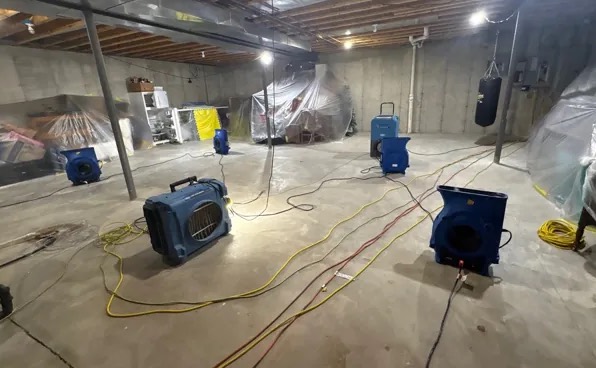
Your Local Foundation Waterproofing Resource in Minneapolis
For homes in Minneapolis, foundation waterproofing addresses both visible leaks and hidden moisture that causes slow decay of concrete and wood framing. A proper system manages hydrostatic pressure and groundwater before it becomes a larger issue requiring extensive structural repairs.
Properties in Minneapolis and nearby areas like St. Anthony, Falcon Heights and Columbia Heights often face foundation water issues due to soil conditions and drainage patterns. Local crawl space waterproofing experts fix these with exterior waterproofing and interior drains. Concrete waterproofing resists hydrostatic pressure and keeps basements dry year-round.
Key Foundation Waterproofing Services Offered
Slab Edge Waterproofing
In Minneapolis, sprinklers and heavy rain often soak the soil next to the slab. Slab edge waterproofing adds a barrier and a drainage path that protects interior finishes from seepage.
Foundation Vapor Barrier Installation
Installation involves leveling soil, laying sheeting, and cutting around supports. All seams are sealed to create a continuous membrane. This controls humidity and protects subflooring from rot.
Sump Pump Installation
A sump pump removes water from a basin below the floor. Installation involves choosing correct capacity and a proper discharge line. The experts handle setup and testing.
French Drain Installation
A French drain uses a gravel-filled trench with a perforated pipe to redirect water. Exterior installation slopes the pipe away from the foundation. This alleviates hydrostatic pressure and prevents pooling.
Interior Foundation Drainage Installation
An interior French drain captures seepage at the floor-wall joint. Collected water pumps out automatically via a sump pump. This system provides ongoing moisture control in below-grade rooms and crawl spaces.
Warning Signs You Need Foundation Waterproofing
Insect Infestations Below
Increased pest activity in basements or crawl spaces often thrives in the damp conditions there.
Sump Pump Constant Running
A sump pump that operates non-stop suggests a high water table overwhelming your current drainage system.
Peeling Paint or Wallpaper
Finish materials blistering or peeling off basement walls reveal moisture problems behind the surface.
Warped Wood or Flooring
Wooden sill plates, subflooring, or finished floors that are cupping indicate moisture from below.
How Foundation Waterproofing Works in Minneapolis
Step 1: Site Inspection and Moisture Mapping
The experts begin by inspecting your foundation's interior and exterior to identify all water entry points and moisture levels.
Step 2: Exterior Waterproofing Membrane Application
For exterior solutions, a durable waterproofing membrane is applied to foundation walls after excavation to block groundwater intrusion.
Step 3: Interior Drainage System Installation
Inside, a perimeter interior drainage system is installed at the footing to collect water and channel it to a collection pit.
Step 4: Discharge Setup and Testing
A pump or gravity outlet is set up to move collected water away from the foundation, and the whole system is tested.
Why Homes in Minneapolis Get Wet Foundations
Plumbing Leaks Below Grade
Leaking water or sewer lines beneath the slab can saturate the soil and undermine the foundation.
Failed Exterior Waterproofing
Old or improperly installed exterior waterproofing membranes degrade over time, losing their protective barrier.
High Hydrostatic Pressure
Water-saturated soil pushes against foundation walls, forcing moisture through cracks and pores in the concrete.
Condensation and Humidity
Warm, humid air contacting cool foundation walls can condense, mimicking a leak without vapor barrier installation.
Both Residential & Commercial Foundation Waterproofing
Residential Foundation Waterproofing
In houses, interior drainage and crawl space encapsulation control humidity and prevent wood rot. These systems work to keep the foundation area dry and structurally sound.
Commercial Foundation Waterproofing
For retail or office spaces, concrete waterproofing and crack injection repair protect the slab and foundation from water. Regular upkeep keeps tenants and stored goods safe and dry.
Hiring Crawl Space Waterproofing Experts vs. DIY Waterproofing
Inspecting your basement after heavy rain for new damp spots or cracks is a safe homeowner task. Test the sump pump by pouring water into the pit. For diagnosing the source of seepage or installing an interior drainage system, contact the experts in Minneapolis.
Understanding Foundation Waterproofing Cost in Minneapolis
In Minneapolis, the cost of crack injection or a French drain depends on the number of cracks and the length of drain.
Extent of Damage
Existing issues like widespread foundation crack repair or mold remediation can add to the scope and cost of the waterproofing project.
Foundation Wall Length
The total linear feet of your foundation perimeter is a primary factor in material and labor costs for basement wall waterproofing.
Interior Finishes
If finished basement walls or flooring must be carefully removed and later restored, this adds to the total service cost.
Does Insurance Cover Foundation Waterproofing?
Whether insurance covers Foundation Waterproofing is determined by the provider and the incident details. The experts in Minneapolis gather evidence like moisture data to support the submission. Property owners should always check with their insurance company directly.
Benefits of Hiring Local Experts
Clear Communication Throughout
Each step, from the first assessment to the finished work, is explained clearly.
Effective Interior Drainage Solutions
Interior drains relieve water pressure and collect water before it causes damage.
Complete Crawl Space Encapsulation
A full encapsulation system with a vapor barrier controls humidity and protects the space from ground moisture and pests.
Around-the-Clock Foundation Waterproofing Availability
If you discover water seeping through your basement walls or a failed sump pump, don't wait. Emergency foundation waterproofing help is available 24/7 in Minneapolis. Reach out at (612) 688-3131 to mitigate water damage quickly.
Call Now (612) 688-3131Foundation Waterproofing Near Minneapolis: Areas Served
For foundation waterproofing needs in Minneapolis and neighboring places like St. Anthony, Falcon Heights and Columbia Heights, contact the experts for assistance with exterior waterproofing, vapor barriers, and managing hydrostatic pressure.
Foundation Waterproofing FAQs
What is the purpose of an interior drainage system in waterproofing?
An interior drainage system is designed to capture water that enters the basement, channel it to a sump pit, and pump it out. It's a reliable line of defense against water that penetrates the foundation walls or floor.
Can a French drain installation solve my yard's drainage problems?
A French drain is a trench filled with gravel and a perforated pipe that redirects surface water and groundwater away from your foundation. It works well for Minneapolis yards with poor drainage that causes basement seepage.
What is the difference between interior and exterior foundation waterproofing?
Exterior foundation waterproofing involves excavating around the home to apply a waterproof membrane to the outside walls. Interior solutions, like drainage systems and sump pumps, manage water that has already entered the basement or crawl space.
What are the signs I might need foundation crack injection repair?
Visible cracks in your basement walls or floors that are leaking water or show efflorescence (white, chalky deposits) indicate a need for professional crack injection. This seals the crack from the inside to prevent further water intrusion.
What happens during a foundation waterproofing assessment?
A professional assessment involves inspecting the interior and exterior for signs of water damage, checking for cracks, evaluating drainage, and using tools to measure moisture levels. That points to the right waterproofing approach.