Trusted by 180+ Homeowners
Hardwood Floor Water Damage Repair in Edina, MN
- Over 180 5-Star Reviews
- Free Estimates and Quotes
- 100% Satisfaction Guaranteed
- Child, Family & Pet Safe Steps
- 24-Hour Emergency Service
- Fully Licensed & Insured

Expert Hardwood Floor Water Damage Repair in Edina, MN
We’ve seen it all when it comes to water damage affecting homes around Edina, MN. From burst pipes in older colonial homes to unexpected leaks in modern townhouses, dealing with water on your hardwood floors is a stressful situation. You’re probably worried about permanent damage, warping, and that dreaded musty smell. Our team has spent years mastering the art of saving hardwood floors from water’s destructive power, using proven techniques to restore your beautiful floors to their former glory. We understand how much you value your home’s aesthetic, and we’re here to help you protect your investment.
Homeowners across the Twin Cities area trust us with their most valuable possessions, and our reputation speaks for itself. With over 165 five-star reviews, you know you’re choosing a team that consistently delivers exceptional results. We’re known locally for our meticulous approach to hardwood floor water damage repair, ensuring we address the root cause of the problem and prevent future issues. When you choose us, you’re choosing reliable, experienced professionals who genuinely care about your property.
- We focus on saving your existing hardwood floors whenever possible, preventing the need for costly full replacements and preserving the unique character of your home.
- Our specialized drying techniques penetrate deep into the wood and subfloor, ensuring complete moisture removal to stop mold growth and prevent long-term structural damage.
- We offer transparent communication throughout the entire process, keeping you informed about every step and working closely with your insurance provider to simplify the claims process.
How We Tackle Hardwood Floor Water Damage
When water invades your hardwood floors, the clock starts ticking. A quick, effective response is crucial. Our process isn’t just about cleaning up the visible water; it’s about a methodical restoration that addresses the moisture hidden within your floors and subflooring. Cutting corners here can lead to warped boards, mold, and weakened structures down the line. We follow a detailed, IICRC-certified protocol to ensure your floors are not only dried but also properly treated to prevent secondary damage. You can expect a thorough, systematic approach from our dedicated crews.
1. Immediate Water Extraction
The first step is always rapid water removal. We use powerful, truck-mounted extraction units to pull standing water off your hardwood floors as quickly as possible. This prevents further saturation and minimizes the risk of warping and staining. This initial phase can often be completed within a few hours, depending on the volume of water.
2. Advanced Structural Drying
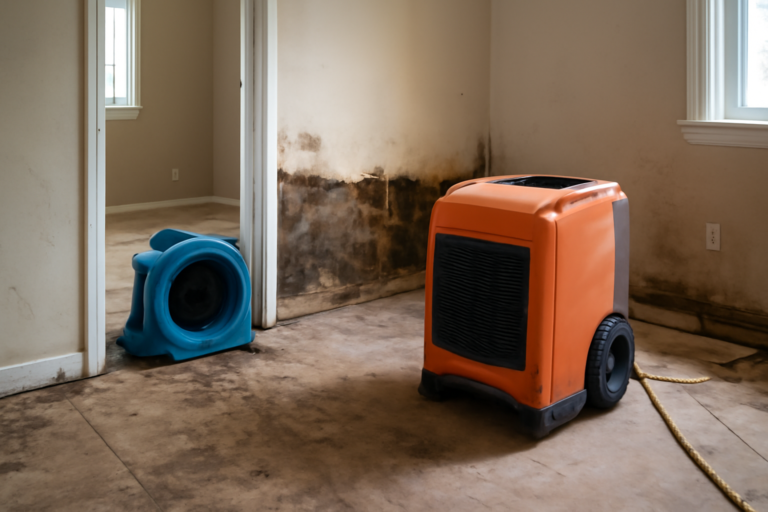
Once the bulk of the water is gone, we deploy specialized drying equipment. This includes industrial-grade dehumidifiers and air movers strategically placed to create an optimal drying environment. These machines work tirelessly to pull moisture from the air and the affected materials, including the hardwood planks and the subfloor. This critical stage can take anywhere from 24 hours to several days, depending on the extent of the water intrusion and ambient humidity levels.
3. Moisture Monitoring and Assessment
Throughout the drying process, our technicians use advanced moisture meters to track humidity levels in your hardwood floors, subfloor, and surrounding structures. This allows us to verify that drying is proceeding effectively and to identify any remaining damp areas. We conduct these checks multiple times a day to ensure we’re meeting our drying goals and to document the recovery process.
4. Mold Prevention and Treatment
Standing water and damp environments create the perfect breeding ground for mold. As part of our hardwood floor water damage repair, we apply EPA-registered antimicrobial treatments to affected areas to prevent mold and mildew growth. This is a vital step in protecting your home’s air quality and your family’s health. We take preventative measures seriously.
5. Restoration and Refinishing
Once your floors are thoroughly dried and treated, we assess the condition of the hardwood. If boards have warped or been stained, we may need to perform localized repairs, sanding, or even refinishing to restore their appearance. Our goal is to leave your floors looking as good as—or better than—they did before the incident. This final phase ensures a complete, high-quality finish.
Don’t wait for minor water damage to become a major headache. Contact us immediately to begin the expert hardwood floor water damage repair process. We’re ready to help you restore your home’s beauty.
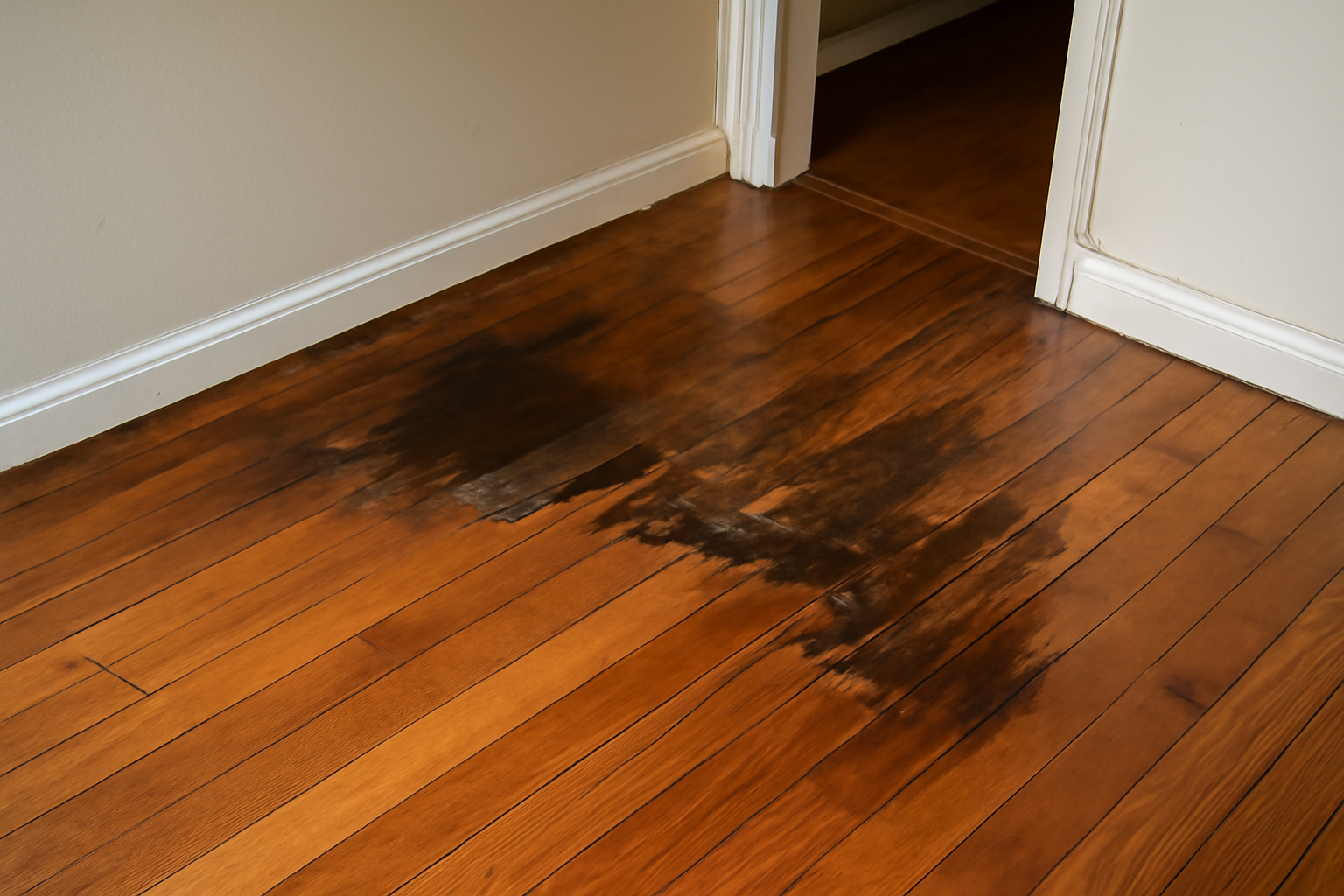
Warning Signs You Need Hardwood Floor Water Damage Repair
Catching water damage early is key to saving your hardwood floors and your wallet. Ignoring subtle signs can lead to much bigger, more expensive problems down the road, like structural issues and mold infestations. Pay close attention to changes in your floors; they’ll often tell you when something’s wrong. Recognizing these indicators means you can call for professional help before the damage becomes irreversible. Early detection is your best defense against costly repairs.
Cupping or Crowning of Floorboards
This is one of the most common visual cues. Cupping occurs when the edges of the wood planks swell more than the center, causing them to curl upwards. Crowning is the opposite, where the center swells higher than the edges. Both indicate excess moisture absorption, and it’s a clear sign you need prompt water damage assessment.
Buckling or Warping
When the moisture gets severe, the wood planks can swell so much that they push against each other, causing them to lift off the subfloor. This buckling is a serious indicator of significant water intrusion and requires immediate attention to prevent permanent damage and potential structural compromise. You’ll likely notice uneven surfaces.
Stains or Discoloration
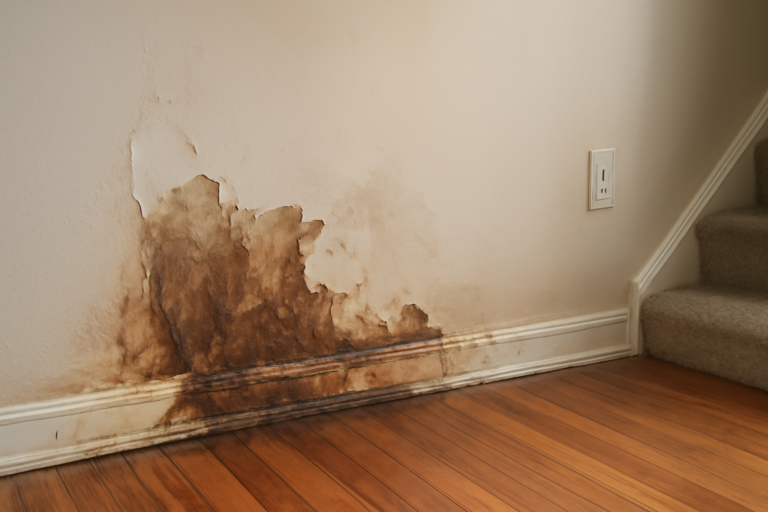
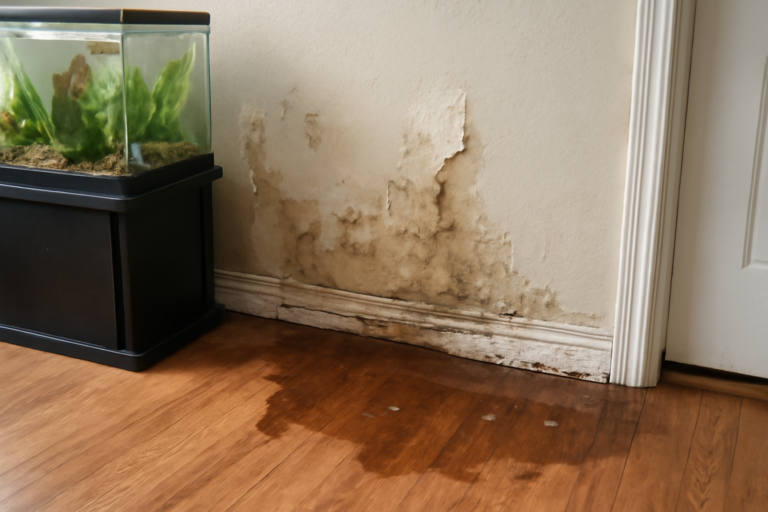
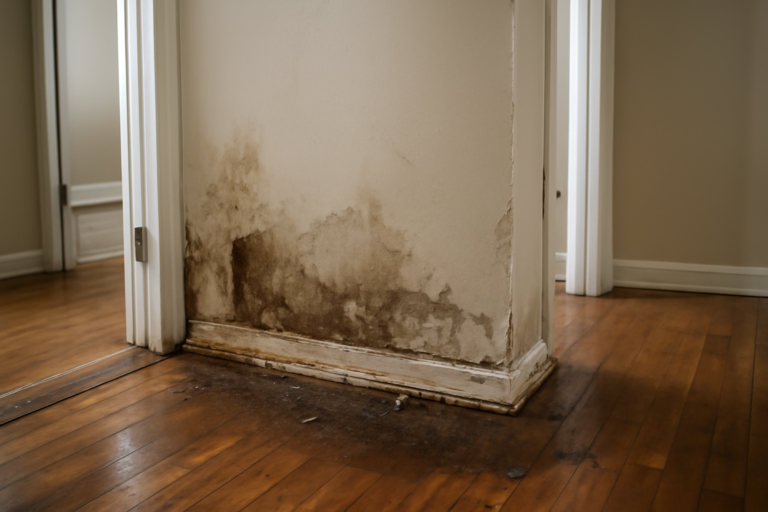
Water can leave behind mineral deposits or react with tannins in the wood, leading to dark spots, water rings, or a general dulling of the finish. These stains can be difficult to remove and may signal that the wood has absorbed a substantial amount of moisture. Address these discolored areas with a professional evaluation.
Soft Spots or Spongy Feel
Walk across your hardwood floors. If you notice any areas that feel unusually soft, spongy, or have a give underfoot, it could mean the subfloor beneath has become saturated and weakened. This is a serious sign of hidden moisture and potential rot, requiring immediate structural integrity checks.
Musty Odors That Won’t Go Away
A persistent damp, musty smell, even after the visible water has dried, is a strong indicator of mold or mildew growth. Mold thrives in damp, dark environments, and it can start growing unseen beneath your hardwood floors or in the subfloor. This smell is a health hazard and needs treatment.
Gaps Between Floorboards
As hardwood dries out, it shrinks. If your floors were exposed to significant water and then dried improperly, you might start seeing larger-than-normal gaps appear between the planks. This indicates that the wood has absorbed and then lost moisture unevenly. Keep an eye out for unusual spacing.
Hardwood Floor Water Damage Repair vs. DIY: When To Call a Professional
| Situation | DIY? | Call a Pro? | Why |
|---|---|---|---|
| Minor surface spill on sealed hardwood | Yes | No | Quickly wiped up, it typically won’t harm well-maintained floors. |
| Standing water for more than a few hours | No | Yes | Prolonged exposure leads to subfloor damage and mold growth. |
| Visible cupping or crowning of floorboards | No | Yes | Requires specialized drying to prevent permanent warping and structural issues. |
| Musty or moldy odors | No | Yes | Indicates hidden mold growth that needs professional assessment and remediation. |
| Buckling or lifting floorboards | No | Yes | A sign of severe saturation requiring immediate extraction and structural drying. |
| Water damage from a sewage backup | Absolutely Not | Yes | Biohazard risk requires specialized containment, cleaning, and disinfection. |
While small, quickly addressed spills might be manageable for a homeowner, any situation involving standing water, persistent moisture, or visible damage to your hardwood floors demands professional attention. Attempting DIY repairs on significant water damage can lead to more extensive and costly problems later.
Hardwood Floor Water Damage Repair Cost In Edina, MN
The cost of hardwood floor water damage repair in Edina, MN, can vary greatly. Factors like the size of the affected area, the duration and source of the water intrusion, and the specific type of hardwood all play a role. These price ranges are estimates and a thorough on-site inspection is necessary for an accurate quote. We provide transparent pricing to help you budget for repairs.
| Service Aspect | Typical Price Range | What Affects Cost |
|---|---|---|
| Water Extraction (per sq ft) | $0.50 – $2.00 | Volume of water, accessibility, and urgency. |
| Structural Drying (equipment rental/monitoring) | $500 – $2,500 | Duration of drying, size of affected area, and humidity levels. |
| Antimicrobial Treatment | $200 – $1,000 | Size of the area treated and type of product used. |
| Subfloor Inspection and Repair | $300 – $1,500+ | Extent of subfloor damage and complexity of repairs. |
| Localized Hardwood Board Replacement | $50 – $150 per board | Cost of matching wood, labor for removal/installation. |
| Hardwood Floor Sanding and Refinishing | $3 – $8 per sq ft | Size of the area, type of finish, and number of coats. |
These figures represent typical costs for addressing water damage to hardwood. For a precise estimate tailored to your specific situation, we offer free, no-obligation assessments. Let us help you secure an accurate repair estimate.
Service Areas Near Edina, MN
Bloomington, Minneapolis, Saint Louis Park, Richfield, Hopkins, Minnetonka, Chanhassen, Eden Prairie, Burnsville, Shakopee, Prior Lake, Savage, Lakeville, Apple Valley, Eagan, Mendota Heights, West Saint Paul, Inver Grove Heights, Cottage Grove, Woodbury.
Common Questions About Hardwood Floor Water Damage Repair
What happens if I don’t repair water damage to my hardwood floors immediately?
If you don’t address hardwood floor water damage promptly, you’re looking at a cascade of problems. The wood will continue to absorb moisture, leading to irreversible warping, cupping, and buckling. Mold and mildew will likely begin to grow in the damp wood and subfloor, posing health risks and creating persistent odors. Eventually, the structural integrity of your floors and even your home could be compromised, leading to much higher repair costs. Our team prioritizes rapid response to prevent these issues.
How long does the hardwood floor water damage repair process typically take?
The timeline for hardwood floor water damage repair varies significantly based on the severity of the damage. The initial water extraction might take a few hours. The critical drying phase using specialized equipment can range from 24 hours to several days or even a week. If sanding and refinishing are required, that adds more time, typically a few more days. We aim for efficiency while ensuring thorough, complete drying and restoration.
Is water damage to hardwood floors covered by homeowner’s insurance?
In many cases, yes, homeowner’s insurance covers water damage to hardwood floors, especially if the damage resulted from a sudden, accidental event like a burst pipe or appliance malfunction. However, damage from slow leaks, poor maintenance, or flooding due to external sources might not be covered. We have extensive experience working with insurance adjusters and can help you navigate the claims process for your hardwood floor water damage repair. We’ll document everything professionally for your claim.
Can you really save hardwood floors that look completely ruined?
Often, yes. What might look like “ruined” hardwood to the untrained eye can frequently be saved with the right techniques. Our IICRC-certified technicians use advanced drying methods that can sometimes pull moisture out of even heavily saturated wood, allowing it to return to its original shape. Even if some boards are damaged, localized repairs and refinishing can often restore the floor’s beauty and function. We’ll always provide an honest assessment of whether restoration or replacement is the best path forward, but we excel at salvaging precious flooring.
What’s the difference between water damage and flood damage for hardwood floors?
The key difference lies in the source and classification. Water damage typically refers to issues from internal sources like plumbing leaks or appliance failures. Flood damage usually involves external water sources, such as heavy rain, overflowing rivers, or groundwater seepage. Flood damage often requires more extensive remediation due to potential contamination. Regardless of the source, our team is equipped to handle all types of water intrusion affecting your hardwood floors, ensuring a safe and effective restoration.
Check Our Other Relevant Services
Serving Edina, MN And Nearby Areas