Trusted by 180+ Homeowners
Heavy Rain Water Damage Restoration in Plymouth, MN
- Over 180 5-Star Reviews
- Free Estimates and Quotes
- 100% Satisfaction Guaranteed
- Child, Family & Pet Safe Steps
- 24-Hour Emergency Service
- Fully Licensed & Insured

When Heavy Rains Overwhelm Your Home in Plymouth, MN
You walk into your basement, or maybe it’s the living room, and you see it. Water is seeping in from somewhere, pooling on the floor. It’s not just a little dampness; it’s a steady stream, a clear sign that the downpour outside has found its way inside your home. You can smell that distinct, earthy odor of wet carpet and drywall. This is serious water intrusion, and it needs immediate attention to prevent further structural damage.
Locally, homeowners trust our team when heavy rains cause significant water damage. We’ve helped over 165 satisfied neighbors, and they consistently point to our fast response times and deep understanding of how to tackle water that’s more than just a minor leak. We know that dealing with a flooded home is stressful, and we’re here to make the restoration process as straightforward as possible for you.
- We use advanced moisture detection tools to find hidden water that your eyes can’t see, ensuring every affected area is identified and dried completely.
- Our specialized drying equipment, like industrial-grade dehumidifiers and air movers, works around the clock to extract moisture and prevent mold growth, something you can’t achieve with fans alone.
- We meticulously document the entire process, providing clear records for your insurance company and giving you confidence that the job is done right.
How We Tackle Heavy Rain Water Damage
When water from heavy rain enters your property, it’s not just about mopping up the visible puddles. It’s about understanding the science of drying and preventing secondary damage like mold or structural weakening. Our approach focuses on a systematic, technically driven restoration process. Cutting corners here can lead to long-term problems, so we’re committed to doing it thoroughly, from the first inspection to the final drying report.
Initial Water Extraction
The first step is removing all standing water as quickly as possible. We use powerful truck-mounted and portable extraction units to pump out the bulk of the water. This stage is critical for stopping the damage from spreading further and is typically completed within a few hours, depending on the volume of water.
Structural Drying and Dehumidification
Once the standing water is gone, the real work of drying begins. We place specialized equipment, including high-speed air movers and industrial dehumidifiers, strategically throughout the affected areas. These machines work continuously to lower humidity levels and accelerate the evaporation of moisture from building materials. This process can take several days to a week, sometimes longer, depending on the extent of saturation.
Containment Procedures
To prevent cross-contamination and to focus drying efforts, we often set up containment barriers. This involves using plastic sheeting and negative air machines to isolate affected areas. This is crucial for preventing airborne mold spores from spreading to unaffected parts of your home and ensures efficient drying. This is usually done on day one of the drying process.
Moisture Monitoring and Assessment
Throughout the drying process, our technicians use advanced moisture meters and thermal imaging cameras to track the progress. We take regular readings to ensure that materials like drywall, wood, and insulation are drying to safe, acceptable levels. This ongoing assessment guarantees we don’t stop drying too early, preventing future issues. We monitor daily until drying is complete.
Reconstruction and Repair Planning
After your property is thoroughly dried and certified, we’ll assess any materials that may need to be removed and replaced, such as damaged drywall, insulation, or flooring. We can help plan for the necessary repairs to bring your home back to its pre-loss condition. This phase begins once we’re confident the structure is dry and stable, typically after 3-7 days of active drying.
Don’t let heavy rain damage linger. Call us now to get a professional assessment and start the drying process immediately. Your prompt action can save your home from long-term consequences.

Warning Signs You Need Heavy Rain Water Damage Restoration
It’s easy to overlook subtle signs of water damage after a heavy storm, but catching them early can save you a lot of money and prevent more significant problems down the road. Pay close attention to these indicators that water may have infiltrated your home more than you realize.
Musty Odors That Won’t Go Away
A lingering, unpleasant smell, especially in basements or lower levels, is a strong indicator of hidden moisture and potential mold growth. This odor often suggests that materials are damp and haven’t been properly dried. Don’t ignore this persistent smell.
Visible Water Stains or Discoloration
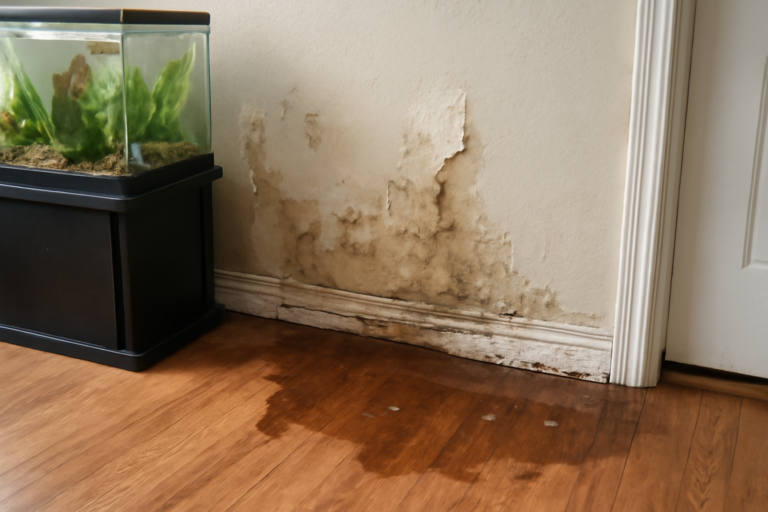
Look for brown or yellowish stains on ceilings, walls, or around windows and doors. These marks are often the result of water seeping into porous materials and are a clear sign of past or ongoing water intrusion.
Peeling or Bubbling Paint and Wallpaper
When moisture gets behind paint or wallpaper, it can cause them to peel, blister, or bubble away from the surface. This is a visual cue that the underlying materials are saturated and compromised. Keep an eye out for these distressed finishes.
Soft or Warped Flooring Materials
Carpet that feels spongy underfoot, warped hardwood, or buckling vinyl flooring can indicate that water has saturated the subfloor and the flooring itself. This type of damage can spread quickly if not addressed. Check for any unusual softness.
Sagging Ceilings or Walls
In severe cases, water saturation can make drywall or plaster heavy, causing it to sag or even collapse. This is a critical sign of significant structural compromise and requires immediate professional attention. Never underestimate a visible sag.
Condensation on Windows or Pipes
While some condensation can be normal, excessive moisture buildup on windows or exposed pipes, especially when it’s not a humid day, might suggest high indoor humidity levels caused by hidden water intrusion. This can be a precursor to more serious issues, so watch for unusual condensation.
Heavy Rain Water Damage Restoration vs. DIY: When To Call a Professional
| Situation | DIY? | Call a Pro? | Why |
|---|---|---|---|
| Minor Puddles After a Short Shower | Yes | No | You can likely clean this up yourself with towels and fans. |
| Water Seeping Through Basement Walls During Heavy Rain | No | Yes | This indicates significant hydrostatic pressure and requires specialized extraction and drying. |
| Water Damaged Drywall (small area, surface only) | Maybe | Yes | Even small areas can hide hidden moisture; professional drying is safer. |
| Musty Odors Persist After Initial Cleanup | No | Yes | This signals potential mold growth that needs professional remediation. |
| Water Intrusion Affecting Multiple Rooms or Floors | No | Yes | The scale of the problem requires industrial equipment and expertise. |
| Concerns About Structural Integrity or Mold | No | Yes | These are serious issues that demand certified professional assessment and treatment. |
For heavy rain water damage, especially when it involves more than just a few puddles, calling a professional is almost always the best choice. Our team has the equipment and knowledge to handle the complexities of drying your home thoroughly and safely. You can trust us to address the problem at its root.
Heavy Rain Water Damage Restoration Cost In Plymouth, MN
The cost of restoring heavy rain water damage can vary significantly based on the extent of the water intrusion, the size of the affected area, and the specific materials that have been damaged. These figures are intended as general estimates for homes in Plymouth, MN, not a guaranteed quote.
| Service | Typical Price Range | What Affects Cost |
|---|---|---|
| Water Extraction (per sq ft) | $0.50 – $2.00 | Volume of water and accessibility of the area. |
| Structural Drying (equipment rental & monitoring) | $1,500 – $5,000+ | Duration of drying, number of dehumidifiers/air movers needed. |
| Moisture Assessment & Reporting | $300 – $800 | Complexity of the structure and level of detail required. |
| Mold Remediation (if necessary) | $1,000 – $7,000+ | Severity of mold growth and area affected. |
| Minor Repairs (e.g., drywall patching) | $500 – $2,500 | Amount of material needing replacement and labor involved. |
| Full Water Damage Restoration Project Management | Varies widely | Includes all stages from extraction to final repairs. |
To get an accurate estimate for your specific situation, we offer free on-site assessments. Let us come to your property and provide a detailed breakdown of the necessary restoration steps and costs.
Service Areas Near Plymouth, MN
Plymouth, Maple Grove, Brooklyn Park, Osseo, Medina, Wayzata, Minnetonka, Crystal, New Hope, Robbinsdale, Golden Valley, St. Louis Park, Hopkins, Eden Prairie, Chanhassen, Shorewood, Excelsior, Mound, Orono, Independence.
Common Questions About Heavy Rain Water Damage Restoration
How quickly do I need to call for heavy rain water damage?
You should call for professional help as soon as possible. The longer water sits, the more damage it causes, leading to structural issues and mold growth. Our team is available 24/7 to respond quickly and begin the extraction and drying process, minimizing the impact on your home.
Will my homeowner’s insurance cover heavy rain water damage?
Typically, standard homeowner’s insurance policies cover damage caused by sudden and accidental water events, like heavy rain overwhelming your drainage system. However, coverage can vary, and policies often exclude damage from gradual leaks or lack of maintenance. We can help you understand the process and provide the necessary documentation for your claim, making it easier to get your claim approved.
How long does the drying process usually take?
The drying process for heavy rain water damage can take anywhere from three days to two weeks, sometimes longer, depending on how deeply the water has saturated your home’s materials. We use advanced monitoring equipment to track moisture levels daily and will continue drying until your property is safely restored.
What are the health risks associated with heavy rain water damage?
The primary health risk is mold growth, which can start to develop within 24-48 hours in damp conditions. Mold can cause respiratory problems, allergic reactions, and other health issues. We take precautions to prevent mold by drying your property thoroughly and can provide mold remediation services if necessary, ensuring a healthy living environment.
What kind of equipment do you use to dry my home?
We utilize a range of professional-grade equipment, including high-powered water extractors, industrial dehumidifiers, and high-velocity air movers. We also use specialized moisture meters and thermal imaging cameras to ensure all hidden moisture is detected and removed. This advanced technology allows us to dry your property much more effectively and efficiently than standard household fans.
Check Our Other Relevant Services
- Downspout Failure Water Damage Restoration in Plymouth, MN
- Flooring Replacement Water Damage in Plymouth, MN
Serving Plymouth, MN And Nearby Areas