Trusted by 180+ Homeowners
Leaking Pipe Water Damage Restoration in Roseville, MN
- Over 180 5-Star Reviews
- Free Estimates and Quotes
- 100% Satisfaction Guaranteed
- Child, Family & Pet Safe Steps
- 24-Hour Emergency Service
- Fully Licensed & Insured

When Your Pipes Decide to Leak in Roseville, MN
You hear it first. A faint drip. Then, you see it. A growing damp spot on your ceiling, a puddle spreading across your floor, or maybe a warped baseboard. It’s the unmistakable sign of a leaking pipe, and it’s already causing damage inside your Roseville, MN home. Don’t let a small leak turn into a major disaster. We’re here to help you tackle this water damage problem fast.
When your home is threatened by a plumbing failure, you need a local team that understands the urgency. Homeowners around here trust us because we respond quickly and bring the right tools for the job. We’ve helped over 165 local families restore their homes after pipe bursts, earning their trust with every successful restoration. You can count on us for prompt, effective service when you need it most.
- We use advanced equipment to pinpoint hidden moisture, ensuring every affected area is dried thoroughly, preventing mold growth and structural rot.
- Our technicians follow strict drying protocols scientifically proven to return your home to pre-loss conditions safely and efficiently.
- We handle the entire process, from water extraction to structural drying and dehumidification, making it easier for you to get back to normal.
How We Tackle Leaking Pipe Water Damage
Dealing with water from a leaking pipe requires more than just mopping up. It involves a systematic approach to remove standing water, dry out materials, and restore your home’s environment. Ignoring proper drying steps can lead to secondary damage like mold and structural issues. That’s why our team follows a detailed protocol, using specialized equipment to ensure a complete and safe restoration of your property.
1. Immediate Water Extraction
As soon as we arrive, our crews get to work removing all standing water. We use powerful truck-mounted vacuums and submersible pumps to extract water quickly. This critical first step stops further saturation and prevents damage from spreading.
2. Thorough Debris Removal
We carefully remove saturated materials that are beyond repair, like soaked drywall, insulation, or carpeting. This helps expose the underlying structure for better drying and prevents cross-contamination. Our goal is to safely clear the affected area.
3. Advanced Structural Drying
This is where our technical expertise shines. We use industrial-grade dehumidifiers and air movers to draw moisture out of building materials like wood, concrete, and subflooring. We monitor humidity and moisture levels closely with specialized meters to ensure proper drying. This process is crucial for preventing long-term damage.
4. Containment and Air Filtration
To control the drying environment and prevent airborne contaminants, we’ll often set up containment barriers. We also use HEPA air scrubbers to filter the air, removing dust and potential mold spores. This ensures a healthy indoor environment throughout the restoration.
5. Monitoring and Moisture Readings
Throughout the drying process, our technicians take continuous moisture readings. This scientific approach guarantees that your property is dried to safe, acceptable levels. We don’t stop until the moisture is completely gone.
Don’t wait for a small leak to become a major problem. Call us now to get a team on-site immediately and start the restoration process. We’re ready to help you mitigate the damage.

Warning Signs You Need Leaking Pipe Water Damage Restoration
Sometimes, the signs of a leaking pipe aren’t obvious puddles. Catching these subtle clues early can save you a lot of money and prevent more serious issues down the line. Being aware of these indicators helps you act fast when a plumbing problem starts to affect your home.
Musty Odors That Won’t Go Away
A persistent, damp, or mildewy smell, especially in basements, crawl spaces, or behind walls, is a strong indicator of hidden moisture. This odor often signals that water has been seeping for a while, creating an environment for mold. You need to investigate the source immediately.
Unexplained Water Stains or Discoloration
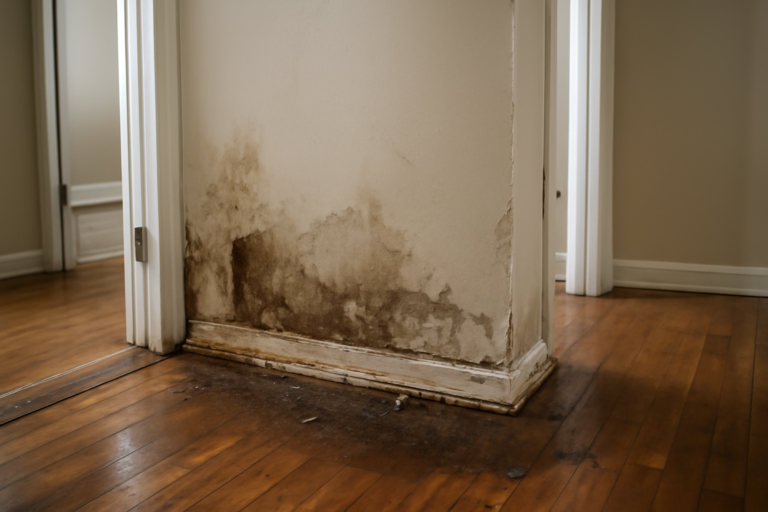
Look for yellow or brown stains on ceilings, walls, or around plumbing fixtures. These water spots are direct evidence of water intrusion, even if you can’t see the leak itself. They show that water is compromising your surfaces.
Warped or Sagging Ceilings and Walls
When drywall or plaster absorbs too much water, it can start to buckle, warp, or even sag. This is a serious sign that the structural integrity of your walls or ceiling is being compromised. It indicates significant water saturation.
Peeling or Bubbling Paint and Wallpaper
Water trapped behind paint or wallpaper will cause it to lose its adhesion, leading to peeling or bubbling effects. This is another visual cue that moisture is present and causing damage beneath the surface. It’s a clear sign of hidden water damage.
Increased Water Bills
If you notice a sudden, unexplained spike in your water bill, it could be due to a hidden leak somewhere in your plumbing system. This financial indicator might be the first sign you get of a slow, persistent leak.
Damp or Wet Spots on Floors or Carpets
Even without a visible flood, you might find damp patches on your flooring or carpeting, especially near walls or under cabinets. This suggests water is seeping from a nearby pipe. It means immediate attention is needed.
Leaking Pipe Water Damage Restoration vs. DIY: When To Call a Professional
| Situation | DIY? | Call a Pro? | Why |
|---|---|---|---|
| Small drip from an easily accessible pipe under a sink. | Yes, temporarily. | Yes, for proper repair & cleanup. | DIY might fix the drip, but professional drying prevents hidden damage. |
| Water pooling on the floor from a burst pipe. | No. | Yes. | Large amounts of water require specialized extraction and drying equipment. |
| Visible mold growth appearing on walls or ceilings. | No. | Yes. | Mold remediation requires containment and specific cleaning protocols to ensure safety. |
| Leak causing damage to subflooring or structural beams. | No. | Yes. | Structural damage needs professional assessment and repair to ensure safety. |
| Water seeping behind walls or under cabinets. | No. | Yes. | Hidden moisture can cause extensive damage and mold growth if not addressed by pros. |
| After a major pipe burst, water has saturated carpets and padding. | No. | Yes. | Professionals can determine if carpets are salvageable or need removal and drying of the subfloor. |
While minor leaks might seem manageable, most situations involving leaking pipes require professional intervention. Our team has the specialized tools and expertise to handle the water extraction, drying, and potential mold prevention effectively. Trust us to ensure your home is truly dry and safe.
Leaking Pipe Water Damage Restoration Cost In Roseville, MN
The cost to restore leaking pipe water damage in Roseville, MN varies greatly depending on the extent of the damage, the size of the affected area, and how quickly the problem is addressed. These figures are estimates and can change based on specific circumstances found on your property.
| Service | Typical Price Range | What Affects Cost |
|---|---|---|
| Water Extraction | $500 – $2,000 | The volume of water and the size of the affected space. |
| Structural Drying & Dehumidification | $1,000 – $4,000 | The amount of affected materials, room size, and duration needed for drying. |
| Mold Inspection & Testing | $300 – $1,000 | The number of samples taken and the complexity of the affected areas. |
| Demolition & Debris Removal | $400 – $1,500 | The amount of damaged material that needs to be removed and disposed of. |
| Reinstallation of Drywall & Insulation | $1,000 – $5,000+ | The square footage of materials needing replacement and the complexity of the installation. |
| Emergency Service Call (After Hours) | +$150 – $500 | Time of day, day of the week, and urgency of the response. |
These prices are general estimates for services related to leaking pipe damage. A thorough on-site assessment by our team is necessary for an accurate quote. We offer free estimates to help you understand the exact costs for your specific situation.
Service Areas Near Roseville, MN
St. Paul, Minneapolis, Mendota Heights, Eagan, Burnsville, Apple Valley, Shakopee, Savage, Bloomington, Richfield, Edina, Eden Prairie, Minnetonka, St. Louis Park, Golden Valley, Crystal, New Hope, Brooklyn Park, Coon Rapids, Fridley.
Common Questions About Leaking Pipe Water Damage Restoration
What should I do immediately after discovering a leaking pipe?
Your first priority is to stop the water flow if possible. Turn off the main water supply valve to your home. Then, safely unplug any electrical devices in the affected area. Document the damage with photos or videos. Calling a professional restoration team immediately is crucial to prevent further damage and start the drying process.
How long does the drying process take after a pipe leak?
The drying process can take anywhere from three days to two weeks, or sometimes longer, depending on the severity of the water damage. Factors like the amount of water, the type of materials affected, and the humidity levels play a big role. Our team uses advanced equipment and monitoring to speed up drying safely.
Will my homeowner’s insurance cover leaking pipe water damage?
Typically, homeowner’s insurance covers sudden and accidental water damage from plumbing leaks. However, it usually doesn’t cover damage from slow leaks or lack of maintenance. It’s best to contact your insurance provider to understand your specific policy details. We can assist with documentation for your claim.
Is it safe to stay in my home during leaking pipe water damage restoration?
It depends on the extent of the damage and the restoration process. If there’s significant water saturation or potential for mold growth, it might be safer to stay elsewhere temporarily. We prioritize your safety and will advise you if it’s necessary to vacate. Our goal is to create a healthy environment as quickly as possible.
How can I prevent future leaking pipe issues?
Regular maintenance is key. Have your plumbing system inspected periodically, especially older pipes. Insulate pipes in unheated areas to prevent freezing and bursting. Know where your main water shut-off valve is located. Addressing small drips or corrosion promptly can prevent a major water emergency.
Check Our Other Relevant Services
Serving Roseville, MN And Nearby Areas