West St. Paul, MN · Dakota County
Mold Inspection & Testing in West St. Paul, MNWall Cavity Mold Inspection & Attic Mold Detection
Mold Inspection & Testing in West St. Paul includes post-remediation mold verification, mold air quality testing, and surface mold sampling.
Answered 24/7
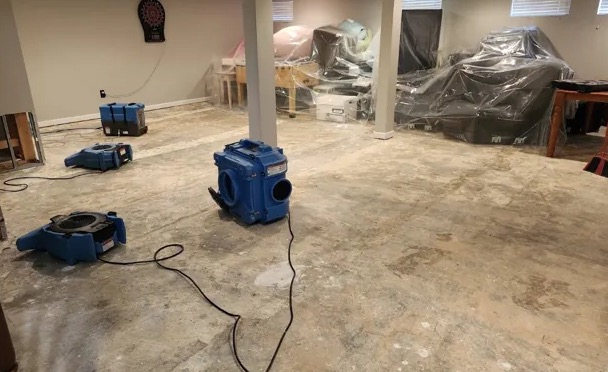
Mold Inspection & Testing Experts Serving West St. Paul
Hidden mold in walls or attics can cause ongoing health concerns and property damage. Scheduling a mold inspection and testing service provides answers and a path forward.
In West St. Paul, mold inspection finds hidden mold that affects indoor air. Local mold testing specialists perform mold air testing and surface sampling to assess contamination. They also work in South St. Paul, Mendota Heights and Inver Grove Heights, with assessments and verification after remediation.
The Mold Inspection & Testing Process in West St. Paul
Wall Cavity Mold Inspection
Wall cavity mold inspection checks hidden spaces behind drywall for moisture and mold. Moisture meters detect elevated humidity that fosters hidden colonies. This matters where leaks can go unnoticed.
Attic Mold Detection
Attic mold detection investigates this space for condensation, leaks, and poor ventilation. Inspectors look for discoloration on rafters and use moisture meters. Air sampling may assess spore levels in descending air.
Post-Remediation Mold Verification
Verification after remediation is the last step. It confirms no visible mold remains and airborne spore levels are normal. The inspector's report is a valuable record.
Crawl Space Mold Testing
Musty odors in rooms above a crawl space often point to hidden mold below. Pros collect samples, check the vapor barrier and look for plumbing leaks that keep the space damp.
Mold Air Testing
Surface sampling analyzes substances that appear to be mold. Identifying the exact species helps evaluate potential health risks and determine appropriate cleanup safety measures.
Symptoms Indicating Mold Inspection & Testing in West St. Paul
Condensation on Windows
Excess moisture promotes mold growth; mold air testing can assess the spore levels in your air.
High Indoor Humidity Readings
Humidity above 60% fosters mold; mold air quality testing measures spore counts in the environment.
Recent Water Damage History
Past leaks or flooding raise the chance of hidden mold, so an inspection is worth considering.
Deteriorating Attic Insulation
Wet or damaged insulation in the attic is a prime site for attic mold detection.
How Mold Inspection & Testing Works in West St. Paul
Step 1: Indoor Air Quality Testing Setup
The pros place air pumps in living areas and bedrooms to capture airborne spores over a set period.
Step 2: Direct Surface and Bulk Sampling
Visible mold is sampled directly, and sometimes small material pieces are taken for precise mold test kit analysis validation.
Step 3: Hidden Area Investigation With Probes
Using borescopes, professionals look inside wall cavities, under cabinets and in other enclosed spaces for mold.
Step 4: Analysis Review and Action Plan
Lab results are interpreted, and you are provided with a clear understanding of any mold contamination check findings.
Why Mold Develops in West St. Paul Structures
HVAC System Condensation Issues
Clogged drain pans or leaky coils inside units spread moisture and spores through ducts.
Poor Bathroom Ventilation
Inadequate exhaust fans allow steam to settle, leading to mold on surfaces and in grout.
Inadequate Crawlspace Ventilation
Trapped ground moisture evaporates into the home, elevating humidity and mold risks in lower areas.
Faulty Appliance Water Lines
Leaking refrigerator, washer, or dishwasher supply lines can saturate adjacent floors and wall cavities over time, often going unnoticed.
Both Residential & Commercial Mold Inspection & Testing in West St. Paul
Residential Mold Inspection & Testing
Attic and basement testing check the most common trouble spots in a home. The pros provide detailed findings from wall cavity mold inspection to support your insurance claim process.
Commercial Mold Inspection & Testing
In commercial buildings, HVAC inspection matters because systems spread spores widely. The pros verify the workspace after remediation before people return.
Hiring Mold Testing Specialists for Mold Inspection & Testing in West St. Paul vs. Doing It Yourself
For a small, one-time leak, dry everything quickly and keep watching the area. Better ventilation helps lower humidity. If the area is more than a few square feet, or you plan an insurance claim, an inspection gives you clear documentation.
Factors Affecting Mold Inspection & Testing Cost in West St. Paul
Factors affecting mold testing cost in West St. Paul include the scope of the inspection, from a single bathroom to the entire property.
Area Accessibility
Inspecting confined spaces like wall cavities or attics can be more labor-intensive. Difficult access may require special tools or more time for the specialists.
Report Detail
A report with moisture readings and photos adds value and cost. The documentation supports your insurance claim.
Post-Remediation Verification
A final clearance test after mold cleanup is a separate service with its own cost.
Does Insurance Cover Mold Inspection & Testing?
Insurance coverage for mold inspection and testing in West St. Paul depends entirely on your policy's specific terms and the source of the moisture. Most insurers require evidence of a covered peril, like sudden water damage, to consider mold testing costs.
Selecting Local Specialists in West St. Paul for Your Mold Inspection & Testing
Detailed Sampling & Lab Analysis
Beyond visual checks, mold air quality testing and surface sampling provide scientific data. Lab results identify spore types and concentrations for a clear picture.
IICRC-Standard Inspection Methods
The process follows industry-established guidelines for accurate mold detection and sampling. The assessment follows a set, reliable method.
Comprehensive Area Assessment
Inspection covers all potential hotspots, from bathroom mold to attic and basement mold testing. No area is overlooked in the search for hidden contamination.
24/7 Emergency Mold Inspection & Testing in West St. Paul, MN
Suspected mold after a leak or flood should be checked quickly. Reach the specialists in West St. Paul for 24/7 emergency mold inspection services by calling (612) 688-3131.
Call Now (612) 688-3131Mold Inspection & Testing Near West St. Paul: Areas Served
Homeowners in West St. Paul and nearby South St. Paul, Mendota Heights and Inver Grove Heights can schedule mold testing. Inspections cover attics to basements using IICRC-standard methods.
- Mold Inspection & Testing in South St. Paul
- Mold Inspection & Testing in Mendota Heights
- Mold Inspection & Testing in Inver Grove Heights
- Mold Inspection & Testing in Maplewood
- Mold Inspection & Testing in Woodbury
- Mold Inspection & Testing in Falcon Heights
- Mold Inspection & Testing in Little Canada
- Mold Inspection & Testing in Eagan
- Emergency Damage Restoration in 55107
- Fire Damage Restoration in 55107
- Mold Remediation Services in 55107
- Storm Damage Restoration in 55107
- Water Damage Restoration in 55107
- Water Leak Detection in 55107
- Emergency Damage Restoration in 55118
- Fire Damage Restoration in 55118
Mold Inspection & Testing FAQ for West St. Paul Residents
How accurate are DIY mold test kits compared to professional inspection?
DIY kits can indicate mold presence but lack the controlled sampling and professional analysis of a full mold inspection service.
Can mold inspection identify black mold specifically?
A visual check can suggest black mold, but only lab analysis of samples can confirm Stachybotrys chartarum.
How soon are mold inspection results available?
Preliminary visual findings can be discussed at the visit, but lab results from mold test kit analysis typically take a few days.
What happens after the mold sampling is complete?
Samples are sent to an independent lab for mold spore testing and analysis. The specialists then compile the visual findings and lab results into a detailed report for you, explaining the implications.
Why is indoor air quality testing part of mold inspection?
Mold spores are airborne pollutants, so testing the air quantifies what you are breathing and helps locate hidden mold sources.