Trusted by 180+ Homeowners
Multi-Family Water Damage Restoration in Blaine, MN
- Over 180 5-Star Reviews
- Free Estimates and Quotes
- 100% Satisfaction Guaranteed
- Child, Family & Pet Safe Steps
- 24-Hour Emergency Service
- Fully Licensed & Insured
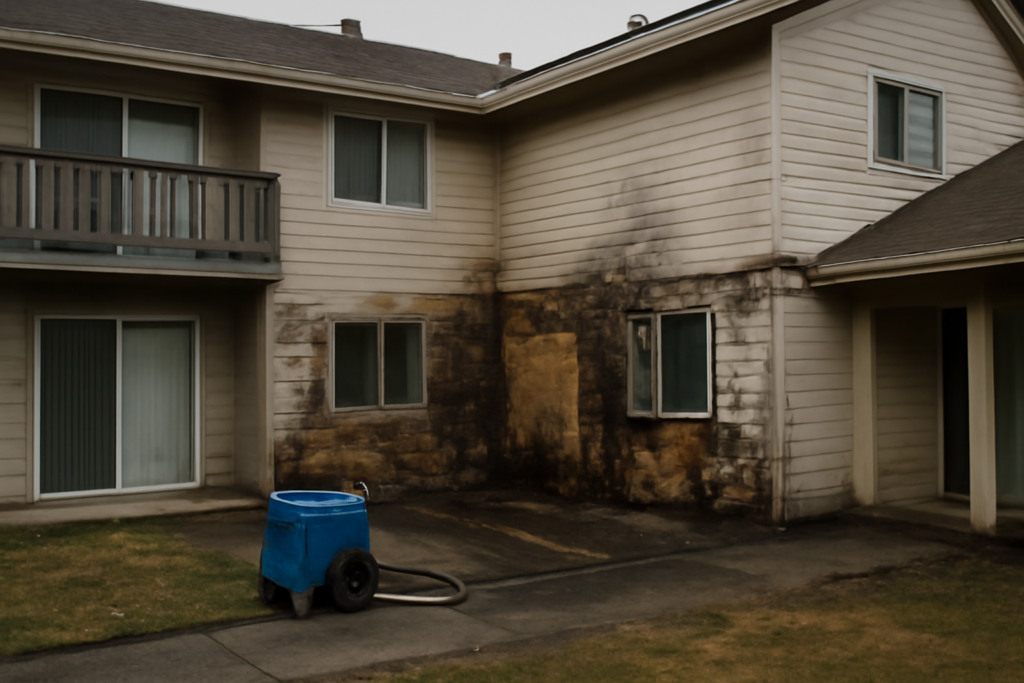
When Water Causes Trouble for Your Apartment Building in Blaine, MN
Around here, especially with our Minnesota winters, we know how quickly freezing pipes can burst. One minute you’re enjoying the snow, the next you’re dealing with water flooding multiple units. It’s a stressful situation, and when it affects your apartment building, it’s not just about one home but many. We understand the unique challenges of handling water damage in multi-family properties, from a small leak in one apartment to a major pipe burst affecting several floors. Dealing with this kind of widespread issue requires a specialized, rapid response.
That’s why so many property managers and homeowners in the area trust us to get their buildings back to normal. With over 165 five-star reviews from satisfied clients, you know you’re choosing a team that’s dedicated to doing the job right, the first time. We’ve seen it all, from minor overflows to catastrophic pipe breaks, and we’re equipped to handle the complexities that come with restoring multi-family dwellings. You can count on us for a thorough and efficient recovery.
- We focus on minimizing disruption to all residents, working efficiently to restore affected units while keeping other areas as unaffected as possible.
- Our team uses advanced drying and dehumidification equipment specifically suited for larger-scale water intrusion, ensuring all materials are dried properly and preventing mold growth.
- We’re experienced in communicating with property management and tenants, keeping everyone informed throughout the restoration process for a smoother experience.
How We Tackle Multi-Family Water Damage Restoration
When water infiltrates a multi-family property, it’s critical that the restoration process is handled with precision and speed. Simply drying things off won’t cut it. We follow a rigorous, proven process to ensure that we not only remove the standing water but also dry out the structure completely and prevent long-term damage like mold or structural compromise. Cutting corners here can lead to much bigger, more expensive problems down the line, affecting the health and safety of your residents. We aim for a complete and lasting restoration.
Initial Assessment and Water Extraction
As soon as you call us, our trained technicians will arrive promptly to assess the extent of the water damage across all affected units and common areas. We’ll identify the source of the water and begin immediate extraction using powerful pumps and vacuums to remove as much standing water as possible. This initial phase is crucial for stopping further damage and can often be completed within a few hours, depending on the volume of water.
Drying and Dehumidification
Once the bulk of the water is gone, we set up specialized drying equipment, including industrial-strength air movers and dehumidifiers, throughout the affected units. These machines work continuously to pull moisture from the air and building materials like drywall, wood, and carpet padding. This stage can take anywhere from a few days to a couple of weeks, depending on how deeply the water has penetrated and the building materials involved. Proper drying is key to preventing secondary damage.
Mold Prevention and Containment
Water damage creates the perfect environment for mold to grow, especially in hidden areas. Our team takes proactive steps to prevent mold by thoroughly drying all affected areas and applying antimicrobial treatments where necessary. We also carefully inspect for any signs of existing mold and contain it if found. This step is vital for maintaining a healthy living environment for your residents.
Structural Drying and Monitoring
We don’t just dry the surface; we ensure that the building’s structure is completely dry. This involves monitoring moisture levels in walls, floors, and ceilings with specialized meters. We’ll continue to run our drying equipment until all materials are brought back to their normal moisture content, which is essential for the building’s integrity. You can expect consistent monitoring throughout this phase.
Reconstruction and Restoration
After everything is confirmed dry, we begin the reconstruction process. This might involve replacing damaged drywall, flooring, insulation, or even making minor structural repairs. Our goal is to return the affected units to their pre-loss condition, ensuring they are safe, comfortable, and fully functional for your tenants. We handle everything from minor repairs to significant rebuilding.
Don’t let water damage linger and cause more problems. Reach out to us now so we can start the restoration process and get your property back in shape. A quick response means less damage and lower costs.

Spotting the Signs: When Your Multi-Family Property Needs Water Damage Restoration
Catching water damage early is one of the best ways to save money and prevent major headaches for both you and your residents. Small issues can escalate quickly if ignored. Keep an eye out for these tell-tale signs that indicate it’s time to call in the professionals for multi-family water damage restoration. Early detection means faster repairs and fewer complications.
Musty Odors That Won’t Go Away
If you or your residents notice a persistent damp, musty smell in certain units or common areas, it’s a strong indicator of hidden moisture. This smell often means mold is already starting to grow. Ignoring this can lead to widespread mold contamination.
Visible Water Stains or Discoloration
Look for dark spots or rings on ceilings, walls, or floors. These are clear signs that water has been present and may have saturated the materials underneath. These marks are a visual cue of hidden damage.
Peeling or Bubbling Paint and Wallpaper
When moisture gets behind paint or wallpaper, it can cause them to lose adhesion, leading to peeling or bubbling. This indicates that the underlying materials are wet. It’s a sign of compromised structural integrity.
Soft or Warped Flooring
If you notice that carpets feel unusually damp, or hard flooring like laminate or wood appears warped or soft, it’s because the subfloor is saturated. This can quickly lead to irreparable damage to your flooring. Addressing this prevents costly flooring replacement.
Increased Humidity Levels
If the air inside the building feels unusually damp or clammy, even when the HVAC system is running, there might be an undetected water source. High humidity can also encourage mold growth. This is a sign of improper moisture control.
Sounds of Dripping or Running Water
Sometimes, you can hear what you can’t see. If residents report hearing dripping, trickling, or running water sounds, especially within walls or above ceilings, it’s a critical warning sign of an active leak. These sounds demand immediate investigation.
Multi-Family Water Damage Restoration vs. DIY: When To Call a Professional
| Situation | DIY? | Call a Pro? | Why |
|---|---|---|---|
| A small, contained spill on a tile floor in an unoccupied unit. | Yes | No | Easily cleaned up with towels and fans. |
| A burst pipe causing water to flood several apartments and seep into walls. | No | Yes | Requires specialized equipment and expertise to dry structure properly. |
| A leaking roof causing minor water spots on a ceiling in a common hallway. | Maybe | Yes | Hidden damage and mold potential requires professional assessment. |
| A toilet overflow affecting only the bathroom floor in one unit. | Yes | No | Manageable with absorbents and airflow. |
| A major pipe break in a central utility closet affecting multiple floors and units. | No | Yes | Complex infrastructure, widespread damage, and potential for structural issues. |
| Condensation on pipes in a basement storage area. | Yes | Maybe | Monitor closely; if it persists or causes staining, call a pro. |
For multi-family properties, especially when multiple units or structural components are involved, calling a professional is almost always the right choice. Our specialized equipment and training allow us to handle the scale and complexity of these situations effectively. Trying to manage extensive water damage yourself can lead to costly mistakes and health hazards.
Multi-Family Water Damage Restoration Cost In Blaine, MN
The cost of water damage restoration for a multi-family property in Blaine, MN can vary significantly. Factors like the size of the affected area, the type of water (e.g., clean vs. contaminated), the extent of saturation, and the building materials involved all play a role. These are general estimates, and an on-site assessment is always needed for an accurate quote.
| Service | Typical Price Range | What Affects Cost |
|---|---|---|
| Water Extraction (per unit) | $500 – $2,000 | Volume of water, accessibility, and square footage. |
| Structural Drying & Dehumidification (per unit) | $700 – $3,000 | Duration needed, size of affected area, and complexity of building structure. |
| Mold Prevention Treatment (per unit) | $300 – $800 | Size of area treated and type of treatment used. |
| Damage Assessment & Inspection | $200 – $600 | Number of units inspected and use of advanced moisture-detection tools. |
| Minor Reconstruction (e.g., drywall, insulation) | $500 – $4,000+ (per instance) | Scope of work, materials needed, and labor intensity. |
| Emergency Water Damage Response (24/7 call-out) | $200 – $700 (initial fee) | Time of day, day of week, and travel distance. |
For an exact quote tailored to your property’s specific needs, we offer free estimates after a thorough on-site inspection. We’ll walk you through all the costs and answer any questions you have. Getting a clear, upfront estimate is important.
Service Areas Near Blaine, MN
Andover, Anoka, Arden Hills, Champlin, Coon Rapids, Crystal, Dayton, Fridley, Ham Lake, Lexington, Lino Lakes, Little Canada, Mounds View, New Brighton, Oakdale, Osseo, Plymouth, Ramsey, Roseville, Shoreview
Common Questions About Multi-Family Water Damage Restoration
How quickly do you respond to multi-family water damage emergencies?
We understand that water damage in a multi-family building can’t wait. That’s why we offer rapid emergency response times, aiming to get our technicians to your property as quickly as possible. The sooner we start, the less damage we’ll have to deal with, saving you time and money in the long run.
What’s the typical timeline for restoring a flooded apartment building?
The timeline for restoring a multi-family property depends heavily on the extent of the damage. Simple water extraction and drying might take a few days to a week per unit, but if structural repairs or extensive reconstruction are needed, it could take several weeks or even months. We’ll provide a more accurate timeline after our initial assessment, keeping you informed about progress and expected completion.
Is water damage in apartments a health hazard for residents?
Absolutely. Standing water can quickly lead to mold growth, which can cause respiratory problems and allergic reactions. Contaminated water can also pose serious health risks. Our process includes thorough drying, cleaning, and sanitizing to ensure a safe and healthy environment for all your residents.
What kind of equipment do you use for large-scale water damage?
For multi-family properties, we deploy industrial-grade equipment. This includes powerful truck-mounted water extractors, a large fleet of high-capacity air movers, and commercial-grade dehumidifiers designed to handle significant moisture loads. We also use advanced moisture meters and thermal imaging cameras to detect hidden water and ensure complete structural drying.
How can property managers prevent water damage in apartment buildings?
Regular maintenance is key. This includes inspecting roofs and gutters, checking plumbing for leaks, insulating pipes in colder months to prevent freezing, and ensuring proper drainage around the building’s foundation. Educating residents on how to report leaks promptly also makes a big difference. We can help assess your property’s vulnerability and offer advice on preventative measures.
Check Our Other Relevant Services

James Spivey: Damage Restoration Expert
James Spivey is a licensed restoration authority with over 20 years of specialized experience in property recovery and disaster mitigation. Throughout his two-decade career, James has built a reputation for excellence, combining technical mastery with a compassionate approach to emergency restoration.
𝗖𝗲𝗿𝘁𝗶𝗳𝗶𝗰𝗮𝘁𝗶𝗼𝗻𝘀: James holds premier IICRC certifications in Water Damage Restoration, Mold Remediation, Applied Structural Drying, Odor Control, and Fire and Smoke Restoration. His deep expertise ensures every project complies with stringent industry safety protocols and structural integrity standards.
𝗕𝗲𝘀𝘁 𝗣𝗮𝗿𝘁 𝗼𝗳 𝘁𝗵𝗲 𝗷𝗼𝗯: James finds the most joy in seeing the relief on a homeowner’s face when their property is finally restored, providing a bridge from disaster back to normalcy.
𝗙𝗮𝘃𝗼𝗿𝗶𝘁𝗲 𝗣𝗮𝘀𝘁𝗶𝗺𝗲: When he isn’t on-site, James is a passionate gardener and enjoys restoring classic cars.