Wyoming, MN · Chisago County
Septic Tank Backup Water Removal in Wyoming, MNEmergency Septic Backup Response & Septic System Water Damage Repair
Septic Tank Backup Water Removal in Wyoming encompasses septic backup sewage cleanup, septic backup odor removal, and septic tank drain backup cleanup for residential properties.
Answered 24/7
Local Septic Tank Backup Water Removal Solutions in Wyoming
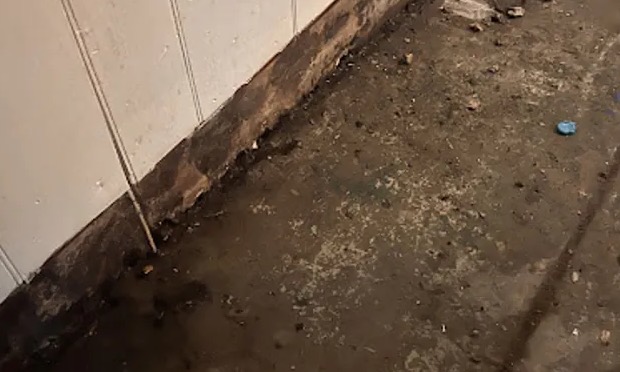
Septic system overflow water removal in Wyoming protects your investment by preventing secondary damage like mold and wood rot. The standing sewage water can warp cabinets, ruin insulation and stain concrete.
Septic tank backup water removal services in Wyoming are vital for homes that rely on septic systems, which can fail due to blockages or heavy use. Properties in nearby areas like Forest Lake, Chisago City and East Bethel also face similar risks from septic overflows.
Key Septic Tank Backup Water Removal Procedures in Wyoming
Emergency Septic Backup Response
The emergency response from septic overflow cleanup specialists aims to contain the health hazard and limit secondary damage like mold growth. Initial actions focus on securing the area and removing the sewage water.
Septic System Water Damage Repair
Repair work addresses structural components like floor joists or wall studs compromised by contaminated water. Repairs follow once the area is clean and dry.
Septic Overflow Decontamination
The decontamination process applies specialized agents to kill bacteria and viruses left by the sewage spill. The specialists treat every surface the sewage touched.
Septic Tank Backup Water Extraction
Industrial vacuums are deployed by the experts to handle the contaminated water from a septic tank failure. Prompt removal is the critical first step in the restoration protocol.
Septic Backup Sewage Cleanup
The specialists clean up the sewage and treat every surface it touched to reduce health risks.
Signs of Septic Tank Trouble in Wyoming
Sewage Backup in Bathtub or Shower
Wastewater surfacing in tubs or showers, particularly on lower floors, is a dire warning of a main line septic backup cleanup emergency.
Foul Odors Near the Drain Field
Persistent sewage smells around your yard or near plumbing fixtures signal a potential septic system overflow. These odors often worsen after water use.
Gurgling Sounds From Plumbing Vents
Bubbling or gurgling noises from roof vents or inside drains often precede visible septic tank flooding. Air is trapped by a blockage in the line.
Overflow From Septic Tank Lid Area
Visible effluent or wet soil around the septic tank access lid is a clear sign the tank is full and septic system water removal is required.
How Septic Tank Backup Water Removal Works in Wyoming
Step 1: Septic Backup Evaluation
The work starts with sizing up the backup and deciding what must be removed first.
Step 2: Extract Contaminated Water
Sewage and water are extracted from the drain area to stop contamination from spreading.
Step 3: Sanitize and Deodorize
Decontamination and odor treatments are applied to every surface to remove bacteria and smells.
Step 4: Restore Damaged Areas
Drying and repairs finish the job and return the rooms to normal use.
Reasons for Sewage Backup in Wyoming
Compacted Soil Over the Drain Field
Heavy vehicles or structures parked above the leach field prevent proper drainage. This compaction causes backups.
Improper Tank or System Design
A tank or drain field that is too small for the household leads to repeated backups.
Broken or Misaligned Sewer Pipes
Settling soil, age or pressure can break the main line from the house to the tank.
Full or Failing Septic Tank
A tank at capacity cannot accept new wastewater, causing immediate backups into your home. Regular pumping prevents this common septic tank backup cause.
Septic Tank Backup Water Removal for Homes and Businesses in Wyoming
Residential Septic Tank Backup Water Removal
Residential septic tank flooding often damages finished basements, bathrooms, and laundry rooms. The pros focus on extracting contaminated water, removing ruined materials like drywall and carpet, and implementing drying protocols to prevent secondary mold growth from the moisture.
Commercial Septic Tank Backup Water Removal
Commercial properties like restaurants or retail stores face severe sanitation violations from a septic overflow. The specialists secure the area, extract wastewater, and perform aggressive odor removal and sanitization to allow for a thorough, compliant reopening.
Septic Tank Backup Water Removal vs. DIY: When to Call Septic Overflow Cleanup Specialists
If you suspect a minor slow drain, you can try a plunger on a single fixture. Avoid chemical drain cleaners, as they can damage pipes and septic tank bacteria.
Septic Tank Backup Water Removal Cost in Wyoming, MN
The cost depends on how much floor area the septic backup covered and whether flooring, drywall or cabinets have to be removed.
Damage Documentation
Detailed septic water damage documentation for insurance purposes involves time for photos, moisture mapping, and report preparation by the specialists.
Extent of Contamination
The severity of the septic backup and the area covered by sewage directly affects the hours of labor and materials required for proper cleanup.
Required Water Extraction
The amount of sewage to remove sets the number of pumps and the time needed on site.
Does Insurance Cover Septic Tank Backup Water Removal?
Homeowners insurance may cover septic tank backup water removal if the backup is caused by a sudden, accidental event listed in your policy. Coverage decisions belong solely to your insurer, so you should confirm your specifics.
Why Choose Local Specialists for Septic Tank Backup Water Removal in Wyoming
System Damage Assessment
The pros inspect for hidden septic system water damage repair needs behind walls or under floors.
IICRC-Standard Decontamination
Septic overflow decontamination follows industry protocols to neutralize harmful pathogens and bacteria, making the affected area safe again.
24/7 Emergency Response
Septic backups demand immediate attention; the specialists are available around the clock for emergency septic backup response calls.
Emergency Septic Backup Help in Wyoming
Sewage coming up from a septic backup should not wait. Stop using water in the house and call (612) 688-3131 at any hour for cleanup.
Call Now (612) 688-3131Septic Tank Backup Water Removal Near Wyoming: Areas Served
Homes in Wyoming with septic backups can get sewage removal and cleanup. Help is also available in nearby Forest Lake, Chisago City and East Bethel.
- Septic Tank Backup Water Removal in Forest Lake
- Septic Tank Backup Water Removal in Chisago City
- Septic Tank Backup Water Removal in East Bethel
- Septic Tank Backup Water Removal in North Branch
- Septic Tank Backup Water Removal in Hugo
- Septic Tank Backup Water Removal in Isanti
- Septic Tank Backup Water Removal in Andover
- Septic Tank Backup Water Removal in Ham Lake
- Emergency Damage Restoration in 55092
- Fire Damage Restoration in 55092
- Mold Remediation Services in 55092
- Storm Damage Restoration in 55092
- Water Damage Restoration in 55092
- Water Leak Detection in 55092
Septic Tank Backup Water Removal FAQ for Wyoming
What does septic overflow decontamination involve?
The process uses EPA-registered disinfectants and antimicrobial cleaners on all affected surfaces to kill bacteria and viruses, ensuring the area is sanitized and safe for reoccupation after the cleanup.
How long does septic tank overflow cleanup take?
The timeline varies with the severity. Simple extraction and cleaning may take a day, while jobs involving structural repairs and detailed decontamination can span several days.
Can septic system water damage repair be extensive?
Yes. Subfloors, drywall or insulation soaked with contaminated water usually have to be removed and replaced.
What's the risk of untreated septic tank drain backup?
Untreated backups pose significant health risks from bacteria and viruses, cause permanent structural damage, and lead to pervasive mold infestations, greatly increasing repair costs later.
What causes a septic tank flooding incident?
Common causes include a full tank, a clogged drain field, pipe blockages or heavy rain overwhelming the system.