Trusted by 180+ Homeowners
Sewage Damage Restoration in Crystal, MN
- Over 180 5-Star Reviews
- Free Estimates and Quotes
- 100% Satisfaction Guaranteed
- Child, Family & Pet Safe Steps
- 24-Hour Emergency Service
- Fully Licensed & Insured
When the Unthinkable Happens: Sewage Damage Restoration in Crystal, MN
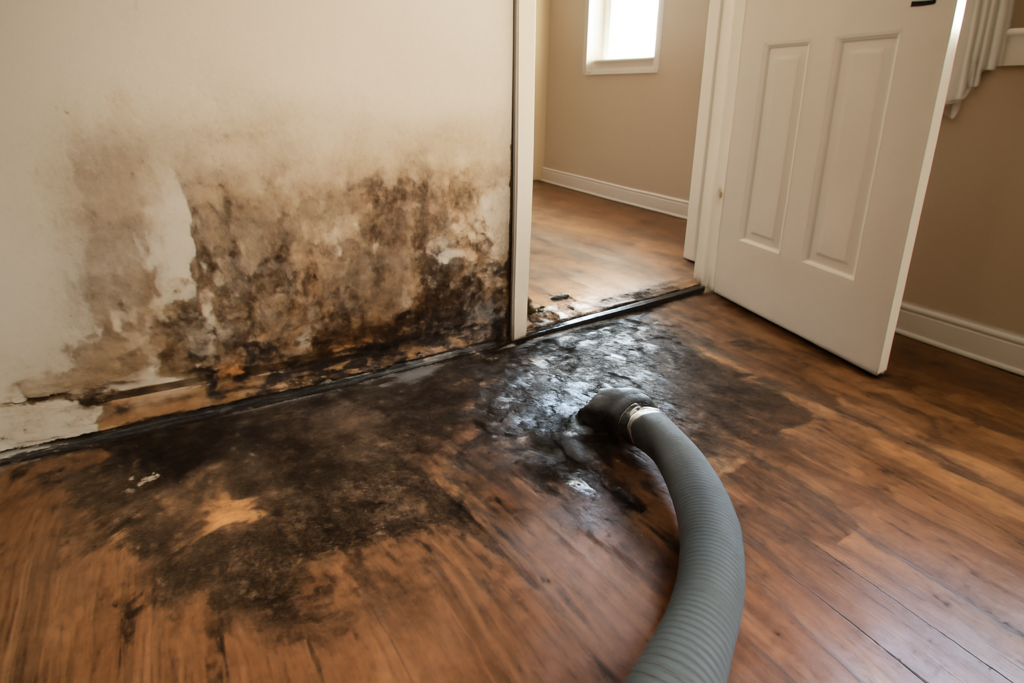
You walk into your bathroom, and the smell hits you first. It’s a sickening, unmistakable odor. Then you see it — water pooling on the floor, carrying with it the unmistakable signs of a sewage backup. It’s a deeply unpleasant and stressful situation, and you need it handled immediately. This isn’t just water; it’s a biohazard that requires specialized attention to protect your family’s health and your home’s structure. You need rapid, expert intervention to start the cleanup and restoration process right away.
Our local homeowners trust us with these challenging situations because we understand the urgency and the health risks involved. We’ve helped hundreds of families in your neighborhood get back to normal after dealing with sewage damage, earning over 165 five-star reviews for our dependable, thorough service. When you’re facing a sewage backup, you need a team that knows exactly what to do, from containment to complete decontamination. We’re here to provide that critical, professional support when you need it most.
- We use advanced containment techniques to prevent the spread of contaminants, ensuring your home is safe for your family and pets.
- Our specialized drying and dehumidification equipment gets to the root of the moisture problem, preventing secondary issues like mold growth.
- We perform thorough decontamination and sanitization, eliminating harmful bacteria and viruses left behind by sewage water.
How We Tackle Sewage Damage Restoration
Dealing with sewage requires more than just mopping up water. It’s a technical process involving containment, specialized cleaning agents, and meticulous drying protocols. Cutting corners here can lead to lingering odors, health hazards, and structural damage that’s far more expensive to fix later. Our approach focuses on safeguarding your health and property by addressing the problem at its source with precision and scientific methods. We’re committed to a complete, effective restoration that brings your home back to its pre-loss condition.
Containment and Setup
Our first step is always to establish a secure containment zone. We use heavy-duty plastic sheeting and negative air machines to isolate the affected area, preventing airborne contaminants from spreading throughout your home. This crucial step ensures the safety of everyone in your household while we work. We’ll also set up our specialized equipment, like air scrubbers with HEPA filters, to begin cleaning the air immediately. This phase is critical for preventing cross-contamination.
Water Extraction
We use powerful truck-mounted or portable extraction units to remove as much standing sewage water as possible. These systems are designed to handle contaminated water efficiently, getting deep into carpets and subflooring to pull out the bulk of the liquid. The faster we can remove this water, the less damage it has time to cause to your home’s structure and belongings. This efficient water removal is key to starting the drying process.
Demolition and Removal of Damaged Materials
Unfortunately, porous materials like drywall, insulation, and certain types of flooring cannot be effectively cleaned or decontaminated once they’ve been saturated with sewage. We’ll carefully remove and dispose of these damaged items according to strict safety guidelines. This step might seem daunting, but it’s essential for eliminating hidden hazards and preparing the area for reconstruction. We’ll document everything for your records.
Cleaning and Decontamination
Once the damaged materials are removed, we thoroughly clean and disinfect all affected surfaces. We use EPA-approved antimicrobial and disinfectant solutions specifically designed for biohazard cleanup. This process kills bacteria, viruses, and other pathogens, neutralizing odors at their source. It’s a vital sanitization step that restores a healthy environment in your home.
Drying and Dehumidification
Even after visible water is gone, hidden moisture remains in your walls, subfloors, and structural components. We bring in industrial-grade air movers and dehumidifiers to rapidly dry out the affected areas. We’ll monitor humidity and moisture levels closely with specialized meters to ensure everything dries completely and safely. This advanced drying technology prevents mold and further structural damage.
Don’t wait to address sewage damage. The longer you delay, the more severe the problems become. Call us today to get our trained technicians on their way to your property. We’re ready to provide immediate, effective cleanup and restoration.
Warning Signs You Need Sewage Damage Restoration
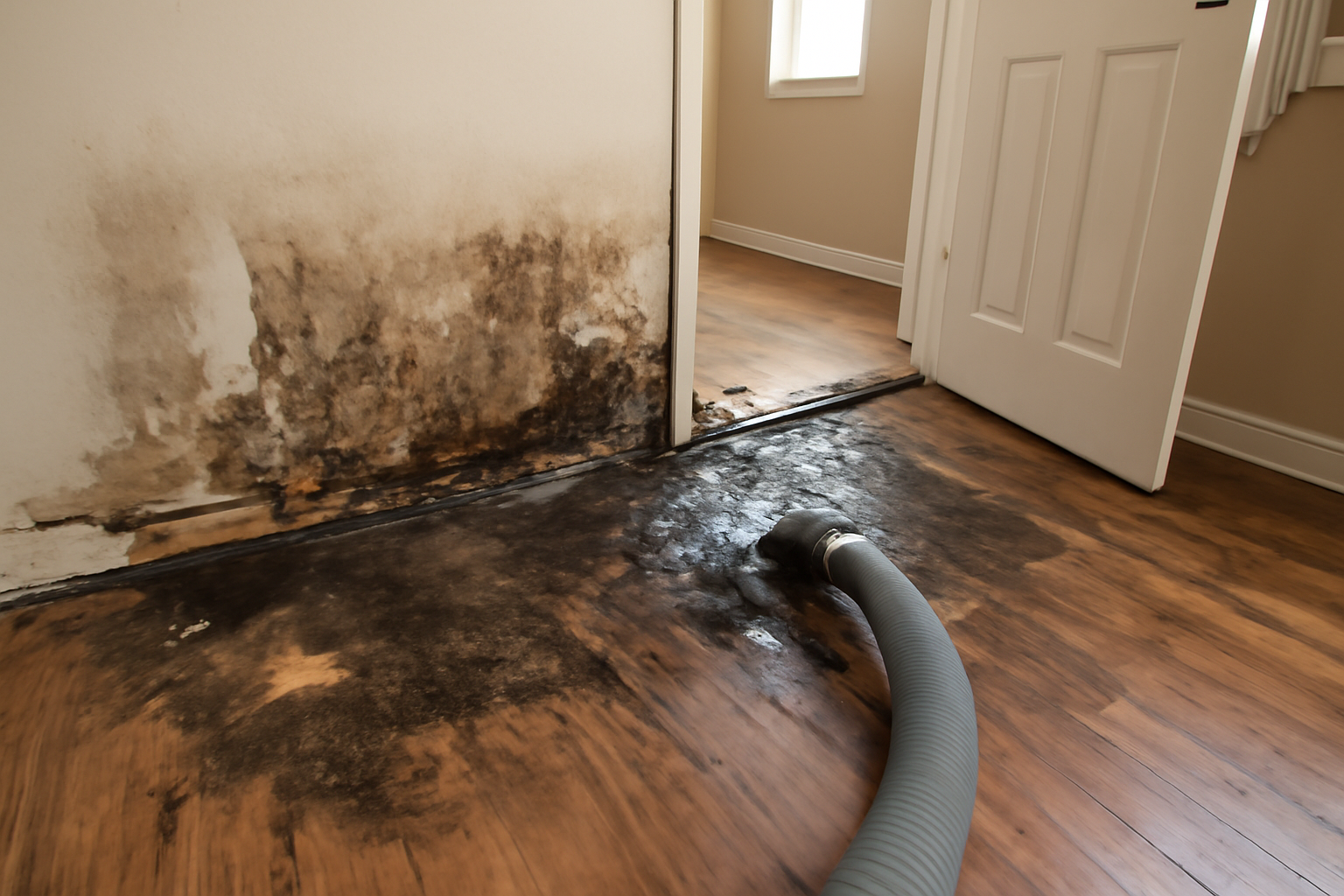
Catching sewage issues early can save you a lot of headaches and money. Sometimes, the damage isn’t immediately obvious, but there are subtle (and not-so-subtle) signs your home is telling you something is wrong. Recognizing these indicators is crucial for protecting your health and your property from further harm. Ignoring these warnings can lead to costly, widespread contamination.
Sudden, Foul Odors
A persistent, strong, and unpleasant smell that suddenly appears in your home, especially around drains or toilets, is a major red flag. This isn’t just a minor inconvenience; it often indicates a blockage or leak in your sewer line, allowing gases to escape or sewage to seep into your home. You need to investigate these smells immediately.
Gurgling Sounds from Drains
When you hear unusual gurgling noises coming from your toilet or sink drains, particularly when you’re not actively using them, it suggests an issue with your plumbing’s venting system or a partial blockage in the main line. This can mean sewage is backing up into the pipes and could soon overflow. These sounds are clear warning signals.
Water Pooling Around Drains or Toilets
If you notice water accumulating on the floor around your toilets, sinks, or floor drains, especially after use, it’s a strong sign of a backup. This water isn’t just dirty; it’s likely contaminated with sewage and poses a significant health risk. It’s essential to address this pooling water promptly.
Slow Draining Fixtures
When multiple drains in your home start to drain slowly, or if toilets are backing up when you flush, it points to a blockage deeper within your plumbing system. This could be in your main sewer line, and if it’s not cleared, it will likely lead to a full sewage backup into your home. Act fast when drains slow down.
Visible Sewage or Black Water
Seeing actual sewage or dark, foul-smelling water backing up into your sinks, tubs, or toilets is the most obvious sign. This is a critical emergency situation. Black water is considered highly contaminated and poses serious health hazards. You need immediate professional cleanup.
Unusual Lawn Wet Spots or Sinkholes
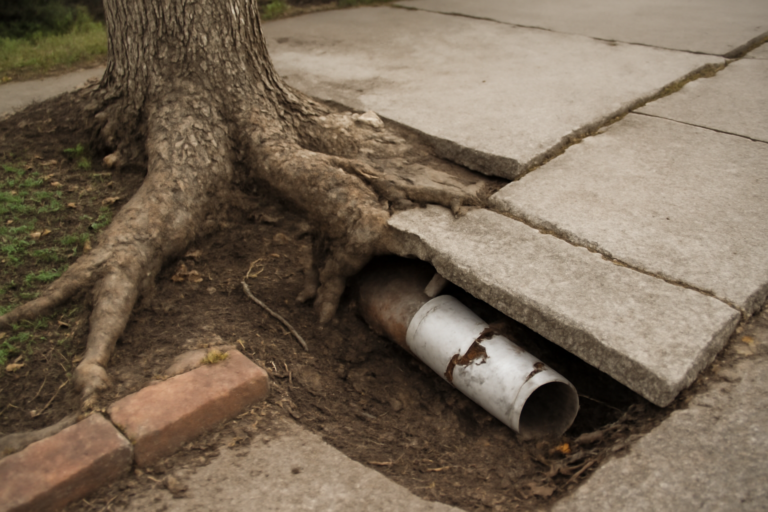
If you notice persistently wet areas in your yard, especially where your sewer line runs, or small sinkholes appearing, it could indicate a break in your underground sewer line. This allows sewage to leak out into your soil, potentially contaminating your property and creating a health hazard. This is a serious underground problem.
Sewage Damage Restoration vs. DIY: When To Call a Professional
| Situation | DIY? | Call a Pro? | Why |
|---|---|---|---|
| Minor toilet overflow with clear water (no visible sewage) | Yes, with gloves and disinfectant | No | Usually manageable with basic cleaning supplies. |
| Standing sewage water on carpet or flooring | No | Yes | Sewage is a biohazard requiring specialized equipment and disinfectants. |
| Sewage backup in multiple rooms | No | Yes | Extensive contamination and structural risk require professional containment and drying. |
| Sewage odor lingering after cleanup | No | Yes | Deep-seated odors require professional air purification and deodorization. |
| Sewage backing up from main sewer line | No | Yes | This indicates a serious plumbing issue requiring professional diagnosis and repair. |
| Water damage near electrical outlets or appliances | No | Yes | Electrical hazards and potential for further damage necessitate professional assessment. |
While minor spills might be handled with caution, any situation involving actual sewage water, significant pooling, or persistent odors demands professional attention. The health risks and potential for long-term structural damage are simply too high to tackle alone. You need a team equipped for safe, effective biohazard remediation.
Sewage Damage Restoration Cost In Crystal, MN
The cost of sewage damage restoration in Crystal, MN, can vary widely. Factors like the extent of the contamination, the size of the affected area, and the type of materials damaged all play a role. These figures are meant to give you a general idea; a precise estimate requires an on-site inspection. We focus on providing transparent, fair pricing for the work needed.
| Service | Typical Price Range | What Affects Cost |
|---|---|---|
| Initial Inspection and Assessment | $200 – $600 | Complexity of the damage, need for specialized testing. |
| Water Extraction and Removal | $500 – $3,000 | Volume of water, accessibility of affected areas. |
| Containment and Air Scrubbing | $300 – $1,500 | Size of the affected zone, duration of setup. |
| Demolition and Material Removal | $500 – $5,000+ | Amount of drywall, flooring, insulation to be removed. |
| Deep Cleaning and Decontamination | $700 – $4,000 | Severity of contamination, types of cleaning agents needed. |
| Drying and Dehumidification | $1,000 – $5,000 | Size of the space, duration of drying process required. |
| Odor Removal and Sanitization | $300 – $2,000 | Intensity of odor, need for advanced treatments like ozone. |
The exact pricing for your specific situation will depend on a detailed assessment performed by our technicians. We offer free, no-obligation estimates so you know exactly what to expect before any work begins. Getting a professional on-site evaluation is the best next step.
Service Areas Near Crystal, MN
We proudly serve Crystal, MN, and the surrounding communities, including Minneapolis, Saint Paul, Bloomington, Brooklyn Park, Plymouth, Maple Grove, Minnetonka, St. Louis Park, Richfield, Coon Rapids, Eden Prairie, Fridley, Shoreview, Burnsville, Andover, Oakdale, Savage, Eagan, Woodbury, and Lakeville.
Common Questions About Sewage Damage Restoration
What are the health risks associated with sewage backup?
Sewage water is teeming with harmful bacteria, viruses, and parasites that can cause serious illnesses, including gastrointestinal problems, skin infections, and respiratory issues. It’s crucial to have the area professionally cleaned and disinfected to eliminate these health hazards. Our team uses hospital-grade disinfectants and follows strict safety protocols.
How long does sewage damage restoration typically take?
The timeline can vary significantly depending on the severity of the damage. Minor backups might be resolved in a few days, while extensive contamination requiring demolition and reconstruction could take weeks. We work efficiently to dry and restore your property as quickly as possible, focusing on thorough, safe drying protocols.
Is sewage damage covered by homeowner’s insurance?
Coverage depends on your specific policy and the cause of the backup. Many policies cover damage from sudden, accidental overflows, but not necessarily from slow leaks or poor maintenance. It’s always best to check with your insurance provider. We can help document the damage for your insurance claim process.
Can I clean up sewage damage myself?
For minor incidents with clear water, you might be able to clean with protective gear. However, sewage water is a biohazard. Attempting a DIY cleanup of actual sewage can expose you to dangerous pathogens and may not effectively remove all contaminants or dry out hidden moisture, leading to mold growth and structural issues. Professional intervention is strongly recommended.
How can I prevent future sewage backups?
Regular maintenance of your plumbing system is key. Avoid flushing anything other than toilet paper, be mindful of what goes down drains, and consider having your sewer line inspected periodically, especially in older homes. If you’ve experienced a backup, we can advise on preventative measures after the restoration is complete.
Check Our Other Relevant Services
Serving Crystal, MN And Nearby Areas