

Water damage isn’t always a dramatic flood in your basement. Sometimes, it’s subtle, like a persistent musty smell or a small stain on the ceiling that grows week after week.
But even the smallest sign of water damage can lead to big problems if you don’t act fast. That’s where professional water damage restoration services come in.
If you’re wondering whether it’s time to call in the pros, you’re in the right place. In this article, we’ll walk through the most common and not-so-obvious signs that it’s time to reach out to an expert like Minneapolis Damage Restoration Pros.
From spotting early warning signs to understanding why quick action matters, we’ll help you protect your home and peace of mind.
What Is Water Damage Restoration?

Water damage restoration is the process of cleaning, repairing, and restoring a property after it has been affected by water. This could be due to flooding, plumbing issues, roof leaks, or even long-term humidity that’s gone unnoticed. Professionals use specialized equipment and techniques to make sure your home is safe, dry, and free of hidden moisture.
The process usually involves:
- Water extraction: Removing standing water from floors, carpets, and other affected areas.
- Drying and dehumidifying: Using industrial fans and dehumidifiers to completely dry the property.
- Cleaning and sanitizing: Eliminating bacteria, mold spores, and odors.
- Repairing damaged areas: Replacing drywall, flooring, and insulation if needed.
Why You Shouldn’t Ignore Water Damage
Water damage doesn’t fix itself. Ignoring it allows moisture to spread, mold to grow, and your property’s structure to weaken. Here’s what you risk by waiting too long:
Long-Term Structural Damage
Water seeps deep into walls, floors, and foundations. Over time, it weakens materials like wood and drywall, causing cracks, sagging, and rot.
Repairing structural damage can cost thousands if not handled early.
Mold and Mildew Growth
Damp areas are a breeding ground for mold. Once mold appears, it spreads fast, sometimes within 24 to 48 hours.
Mold not only damages your home but also releases spores that affect air quality and health.
Health Hazards
Mold spores and bacteria from dirty or standing water can cause respiratory issues, allergic reactions, and even chronic illness.
Protecting your health is one of the most important reasons to deal with water damage immediately.
Top Signs You Need Professional Water Damage Restoration
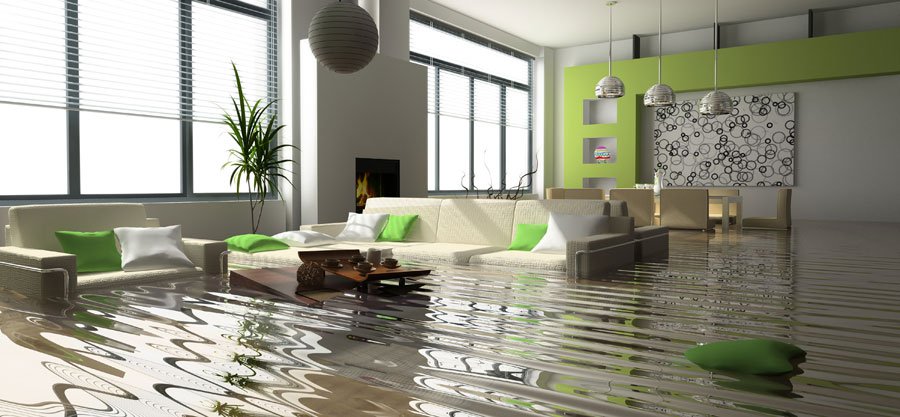
You don’t need to be an expert to recognize when something’s wrong. Here are the top signs it’s time to call in the pros:
1. Persistent Musty Odors
A strong, earthy, or damp smell is a major clue that moisture is trapped somewhere in your home. Even if you can’t see visible water, it’s likely hiding behind walls, under floors, or in insulation.
2. Discoloration on Walls and Ceilings
Brown, yellow, or copper stains usually mean water is leaking through your roof, ceiling, or pipes. Over time, the stain grows darker and larger, signaling ongoing moisture damage.
3. Warped or Buckled Flooring
Wood and laminate floors that start to bulge or feel soft underfoot often indicate moisture beneath the surface. The longer it goes untreated, the more likely you’ll need full floor replacement.
4. Peeling or Bubbling Paint and Wallpaper
Moisture behind walls prevents paint and wallpaper from sticking properly. If you see bubbling, peeling, or cracking, there’s likely hidden water damage underneath.
5. Visible Mold Growth
Mold appears in many forms, black, green, or white spots, and spreads quickly. Even a small patch is a sign of excess moisture that needs professional attention.
6. Unexplained Spike in Utility Bills
A sudden rise in your water bill can signal a hidden plumbing leak. Where there’s a leak, there’s water damage, especially if it’s gone unnoticed for weeks.
7. Sagging Ceilings or Walls
A sagging ceiling or soft spot on a wall means water has pooled inside the structure. This is dangerous because it can collapse suddenly, posing a safety hazard.
8. You’ve Recently Experienced a Flood or Leak
Even small leaks from dishwashers, washing machines, or under sinks can cause long-term problems. Moisture can get trapped behind walls and lead to mold or rot if not properly dried.
9. Electrical Problems
Water and electricity never mix. Flickering lights, tripping breakers, or dead outlets can indicate that water has reached electrical components, an urgent reason to call for help.
10. Strange Sounds from Walls or Floors
If you hear dripping, hissing, or squishing sounds, water may be moving or pooling in hidden areas. This can cause serious internal damage if ignored.
DIY vs. Professional Restoration: Why Go Pro?
While DIY cleanup may seem tempting, most homeowners don’t have the tools or experience to fully remove hidden moisture. What looks dry on the surface might still be wet inside walls or under floors.
Limitations of DIY Cleanup
- No access to industrial-grade drying equipment.
- Mold and bacteria may continue to grow unseen.
- Missed moisture can lead to further damage or health issues.
Why Hire Professionals
- Expertise: Certified technicians know how to assess and repair damage safely.
- Equipment: Pros use high-powered dehumidifiers, air movers, and moisture meters.
- Speed: Faster drying prevents mold and secondary damage.
- Peace of mind: Work is documented for insurance and future reference.
How Minneapolis Damage Restoration Pros Can Help
When disaster strikes, you need a reliable local team. Minneapolis Damage Restoration Pros offer quick, professional, and compassionate service when you need it most.
Their Services Include
- 24/7 Emergency Water Extraction
- Advanced Drying and Dehumidifying
- Mold Inspection and Remediation
- Structural and Cosmetic Repairs
- Odor Removal and Sanitization
- Insurance Claim Assistance
Why Homeowners Choose Them
- Local Experts: Understanding Minneapolis’s climate and its water challenges.
- Quick Response: Emergency teams on standby 24/7.
- Certified and Insured: Every technician is trained and experienced.
- Transparent Pricing: No hidden fees or surprises.
Service Areas
They proudly serve Minneapolis, St. Paul, and surrounding communities, helping homeowners and businesses restore their properties after leaks, floods, and storm damage.
Preventing Future Water Damage
Prevention saves time, money, and stress. Follow these simple steps to avoid future water-related problems:
1. Conduct Regular Inspections
- Check roofs, gutters, and downspouts for damage.
- Inspect pipes, appliances, and plumbing fixtures for leaks.
- Examine basements and attics for moisture or mold.
2. Install a Sump Pump
Especially in basements or flood-prone areas. A sump pump automatically removes excess water during heavy rains.
3. Maintain Gutters and Drains
Keep gutters clean and ensure downspouts direct water away from your home’s foundation.
4. Seal Cracks and Openings
Use waterproof sealant around windows, doors, and foundations to prevent seepage.
5. Know Your Main Water Shut-Off Valve
In an emergency, turning off the water quickly can minimize damage before professionals arrive.
6. Use a Dehumidifier
In humid climates or basements, dehumidifiers can prevent mold growth and condensation buildup.
Conclusion
Water damage is sneaky. It can start small and quickly spiral into a major problem. From hidden leaks to flooded basements, acting fast is key to preventing structural issues, mold, and costly repairs.
If you notice any of the warning signs mentioned above, don’t wait until it’s too late.
Minneapolis Damage Restoration Pros are your trusted local experts, ready to respond 24/7 with fast, professional solutions. They’ll restore your property safely, efficiently, and with care so you can get back to normal life sooner.
FAQs
1. How fast should I call a restoration company after a flood?
Immediately. The first 24 to 48 hours are critical to prevent mold and minimize damage.
2. Can water damage cause permanent structural issues?
Yes. If untreated, it weakens your foundation, walls, and flooring.
3. How do professionals detect hidden water damage?
They use thermal imaging cameras and moisture meters to find hidden moisture behind surfaces.
4. Is water damage covered by insurance?
It depends on your policy. Sudden events like burst pipes are often covered, but long-term neglect isn’t.
5. How long does the restoration process take?
Minor cases may take a few days, while major flood damage can take several weeks depending on the extent of repairs.

James Spivey: Damage Restoration Expert
James Spivey is a licensed restoration authority with over 20 years of specialized experience in property recovery and disaster mitigation. Throughout his two-decade career, James has built a reputation for excellence, combining technical mastery with a compassionate approach to emergency restoration.
𝗖𝗲𝗿𝘁𝗶𝗳𝗶𝗰𝗮𝘁𝗶𝗼𝗻𝘀: James holds premier IICRC certifications in Water Damage Restoration, Mold Remediation, Applied Structural Drying, Odor Control, and Fire and Smoke Restoration. His deep expertise ensures every project complies with stringent industry safety protocols and structural integrity standards.
𝗕𝗲𝘀𝘁 𝗣𝗮𝗿𝘁 𝗼𝗳 𝘁𝗵𝗲 𝗷𝗼𝗯: James finds the most joy in seeing the relief on a homeowner’s face when their property is finally restored, providing a bridge from disaster back to normalcy.
𝗙𝗮𝘃𝗼𝗿𝗶𝘁𝗲 𝗣𝗮𝘀𝘁𝗶𝗺𝗲: When he isn’t on-site, James is a passionate gardener and enjoys restoring classic cars.
