St. Francis, MN · Anoka County
Structural Drying Services in St. Francis, MNWet Drywall Removal & Flooded Room Drying
Structural Drying Services in St. Francis cover flooded room drying, ceiling water damage cleanup, and wall cavity drying.
Answered 24/7
Reliable Structural Drying Services in St. Francis, Anoka County
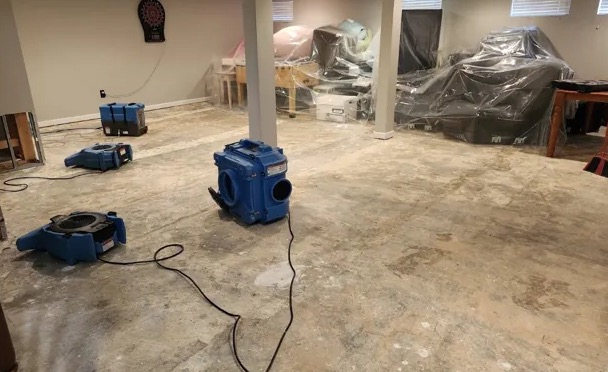
In St. Francis, a burst pipe can flood several rooms and soak carpet, drywall and belongings. Local structural drying pros use industrial extractors and dehumidifiers to remove the water and dry the structure.
In St. Francis and nearby Oak Grove, East Bethel and Isanti, drying keeps damage and repair costs down. Water extraction experts dry everything from ceilings to floor systems.
Structural Drying Services Offered in St. Francis
Wet Drywall Removal
Wet drywall removal is needed when saturation is too high. The pros carefully cut out damaged sections to expose the wall cavity.
Flooded Room Drying
Water extraction begins the flooded room drying process. The pros follow industry-standard methods, using moisture meters to confirm drying goals.
Emergency Burst Pipe Cleanup
A burst pipe can flood several rooms at once. Pros extract the water and move contents out of the way to limit structural damage.
Water Damaged Floor Removal
Saturated flooring often requires removal. The pros evaluate damage and may remove compromised floorboards or tiles.
Ceiling Water Damage Cleanup
Ceiling damage from leaks requires specific cleanup. Access points may be created to ventilate and dry the cavity, preventing sagging or mold in the ceiling structure.
Signs Your Property Needs Structural Drying Services
Spongy Flooring Underfoot
Soft, spongy wood or laminate floors mean water is trapped in the subfloor.
Warped Wooden Trim
Baseboards or window casings pulling away from the wall mean the wall behind them is wet.
Damp or Wet Carpeting
Carpet that stays wet for hours after a leak lets water soak into the subfloor.
Cold Damp Spots on Walls
Cold spots on an inside wall can mean the insulation behind it is wet.
How Structural Drying Services Work in St. Francis
Step 1: Initial Damage Assessment
The experts assess the extent of water intrusion to plan the precise structural water removal strategy.
Step 2: Moisture Extraction
Extractors pull water from soaked carpet and floors before drying equipment is set up.
Step 3: Controlled Environment Drying
Pros establish a controlled drying environment using dehumidification services and air movers to draw moisture from the building materials.
Step 4: Completion of Building Drying
Drying ends once readings show the walls, floors and framing are as dry as unaffected areas.
Common Causes of Structural Water Damage in St. Francis
Severe Weather Flooding
Heavy rain and overland flooding can push water into a building through doors and low walls.
Fire Suppression System Discharge
An accidental fire sprinkler discharge can soak an entire commercial space in a short time.
Plumbing Fixture Overflows
Toilet, sink, or bathtub overflows release contaminated water, demanding water removal and industry-standard drying methods.
Window or Door Seal Failure
Failed window and door seals let wind-driven rain into the walls during storms.
Residential and Commercial Structural Drying Services in St. Francis
Residential Structural Drying Services
When a ceiling leaks in a home, the pros extract the water and set up drying for the ceiling, wall cavities and insulation so mold does not start.
Commercial Structural Drying Services
In large commercial spaces, the experts dry floors, subfloors and wall cavities after a flood, using equipment sized for the space.
Structural Drying Services vs. DIY: When to Call Local Pros
Once the leak is stopped, check nearby rooms for spreading moisture. For moisture mapping and drying inside walls or subfloors, call the pros in St. Francis.
Factors in Structural Drying Services Pricing for St. Francis
Cost factors for water damage drying include the type of materials affected, such as drywall or subfloor, and the required dehumidification equipment runtime.
Access Complexity
Hidden moisture in wall cavities or under flooring increases labor for access and specialized drying equipment deployment.
Extent of Damage
The size of the affected area and depth of water penetration into materials like drywall or subfloor dictate resource needs.
Material Type
Porous materials like drywall or insulation require more intensive drying protocols than non-porous surfaces, affecting the remediation timeline.
Does Insurance Cover Structural Drying Services?
The water extraction process and subsequent drying are often considered necessary mitigation to prevent further loss, which many policies encourage. However, coverage decisions belong to your insurer.
Advantages of Hiring Local Pros in St. Francis for Structural Drying Services
Advanced Moisture Detection
Moisture meters and infrared cameras find water inside walls and floors that you cannot see.
Prevention of Mold Growth
Rapid, thorough drying reduces the moisture that mold needs to grow, addressing a primary risk after water damage occurs.
IICRC-Standard Drying Methods
Pros follow industry drying standards so no hidden moisture is left to cause secondary damage.
Round-the-Clock Structural Drying Services in St. Francis, MN
For emergency drying of a home or commercial building, call (612) 688-3131 any time. Quick action limits the total loss to the building.
Call Now (612) 688-3131Local Structural Drying Services Coverage for St. Francis
Wall cavity drying and ceiling water cleanup are available for homes and businesses in St. Francis, Oak Grove, East Bethel and Isanti.
- Structural Drying Services in Oak Grove
- Structural Drying Services in East Bethel
- Structural Drying Services in Isanti
- Structural Drying Services in Ham Lake
- Structural Drying Services in Andover
- Structural Drying Services in Anoka
- Structural Drying Services in Zimmerman
- Structural Drying Services in Elk River
- Emergency Damage Restoration in 55070
- Fire Damage Restoration in 55070
- Mold Remediation Services in 55070
- Storm Damage Restoration in 55070
- Water Damage Restoration in 55070
- Water Leak Detection in 55070
Frequently Asked Questions About Structural Drying Services
Is subfloor water extraction always necessary after a flood?
Water in the subfloor has to be extracted and dried, or it leads to rot and mold under the flooring.
What is involved in the structural drying process?
The process begins with water extraction, followed by moisture mapping to assess damage, then targeted drying with air movers and dehumidifiers to restore dry conditions.
Why is water extraction the first step in moisture remediation?
Removing standing water with powerful extractors is the fastest way to reduce the total moisture load, making subsequent dehumidification and drying far more efficient.
How does ceiling water damage cleanup proceed safely?
After ensuring structural safety, water extraction from the affected area is performed, followed by controlled drying and assessment for necessary repairs to the ceiling materials.
Can carpet be saved after water damage, or is removal required?
Often, if the water is clean and extraction starts early. Carpet soaked by contaminated water usually has to be removed.