Trusted by 180+ Homeowners
Sump Pump Failure Water Damage Restoration in Big Lake, MN
- Over 180 5-Star Reviews
- Free Estimates and Quotes
- 100% Satisfaction Guaranteed
- Child, Family & Pet Safe Steps
- 24-Hour Emergency Service
- Fully Licensed & Insured

When Your Sump Pump Fails, We Handle the Flood in Big Lake, MN
Here in Big Lake, MN, we know that spring rains and summer thunderstorms can sometimes feel relentless. When heavy downpours overwhelm your basement or crawlspace, a failing sump pump can turn a minor inconvenience into a major headache. That sudden rush of water can cause significant property damage if not addressed quickly. You’re probably wondering what to do next when you discover water where it absolutely shouldn’t be, especially after your sump pump gave out.
Homeowners around here trust our team because we understand the urgency of sump pump failure water damage. We’ve helped hundreds of your neighbors recover from these unexpected events, earning over 165 five-star reviews for our prompt and reliable service. We’re known for getting your home back to normal, fast, and we aim to make the entire experience as stress-free as possible for you and your family.
- We specialize in removing standing water and thoroughly drying out your basement or crawlspace, preventing mold growth and structural issues before they start.
- Our technicians use advanced equipment to detect hidden moisture that you might not see, ensuring every affected area is properly addressed.
- We work with your insurance company to streamline the claims process, making it easier for you to get the repairs you need without added hassle.
How We Tackle Sump Pump Failure Water Damage
Dealing with water damage from a failed sump pump requires a methodical approach. It’s not just about mopping up the visible water; it’s about a complete restoration process that prevents long-term problems. Cutting corners here can lead to lingering dampness, mold, and weakened building materials. Our team follows a proven system to ensure we effectively dry, clean, and restore your home, giving you real results you can count on.
1. Emergency Water Extraction
The first step is always to remove the standing water. We use powerful truck-mounted and portable extraction units to quickly pull out as much water as possible from your floors, carpets, and any submerged items. This process can take anywhere from a few hours to a full day, depending on the volume of water present.
2. Structural Drying and Dehumidification
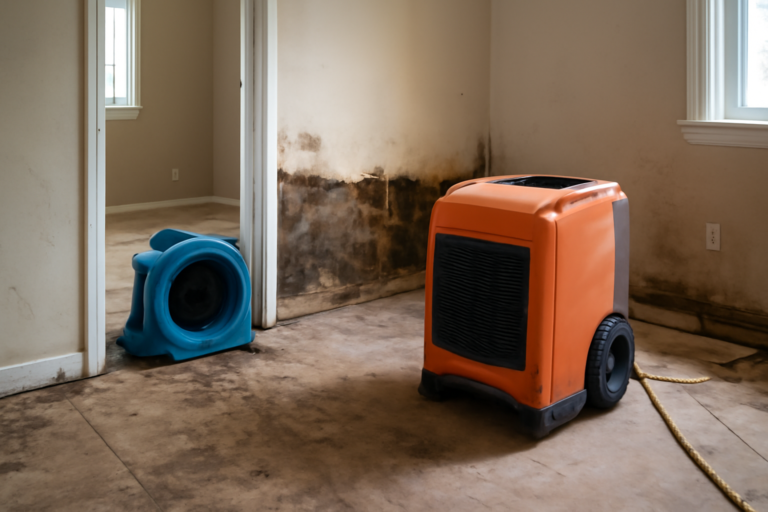
Once the bulk of the water is gone, we set up specialized drying equipment like air movers and industrial dehumidifiers. These machines work tirelessly to pull moisture out of the air and building materials, such as drywall, wood, and concrete. This phase is critical for preventing mold and can take several days to complete, depending on how saturated your home became.
3. Moisture Detection and Assessment
Our technicians use advanced tools like moisture meters and thermal imaging cameras to locate hidden pockets of water within walls, under floors, and in ceilings. This ensures no dampness is left behind, which is crucial for preventing future mold growth and structural decay. We conduct this assessment throughout the drying process.
4. Cleaning and Sanitizing
After drying, we thoroughly clean and sanitize all affected areas. This includes removing any potential contaminants, odors, and waterborne microorganisms that may have been introduced by the floodwater. We want your home to be not just dry, but also healthy and safe again.
5. Restoration and Repair
Finally, we’ll address any necessary repairs. This might involve replacing damaged drywall, baseboards, flooring, or insulation. Our goal is to return your property to its pre-loss condition, ensuring everything is structurally sound and visually appealing.
Don’t let sump pump failure leave you with a flooded basement. Contact our team immediately to start the water damage restoration process and protect your home.
Warning Signs You Need Sump Pump Failure Water Damage Restoration
Catching the early signs of water damage is key to minimizing the impact on your home and your wallet. Ignoring these indicators can allow moisture to spread, leading to more complex and costly repairs down the line. Be aware of what to look for after a suspected sump pump issue.
Musty Odors That Won’t Go Away
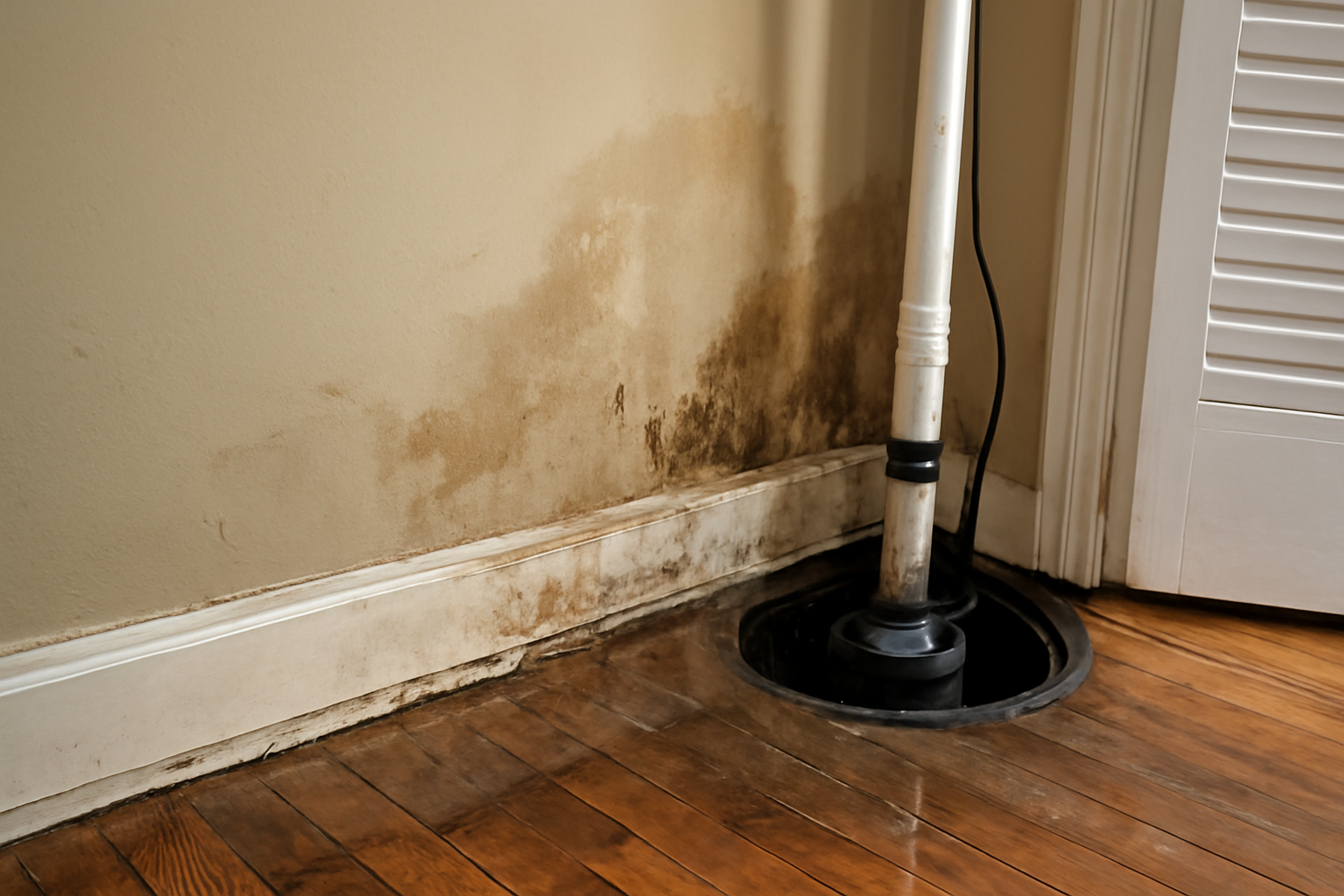
A persistent, damp, or mildewy smell in your basement or crawlspace is a strong indicator of hidden moisture. This odor is often the first sign of mold growth, which thrives in damp environments. Don’t just mask the smell; investigate the source.
Visible Water or Damp Spots
Any puddles, standing water, or even just damp patches on your floors, walls, or foundation are obvious signs of a problem. This indicates that water has entered your home and is likely spreading. Act fast to address the pooling water.
Peeling or Bubbling Paint and Wallpaper
Water damage can cause paint and wallpaper to lose their adhesion to the walls. Look for areas that are peeling, bubbling, or look discolored. This is a sign that moisture is behind the surface, potentially weakening the wall structure.
Warped or Sagging Floors
Wood or laminate flooring can warp, buckle, or sag when exposed to excessive moisture. If you notice any unevenness or areas that feel soft underfoot, it could be due to water infiltration. This often requires immediate professional attention.
Increased Humidity Levels
If your basement or lower levels feel unusually humid, even when the weather isn’t particularly damp, it could be a sign of a leak or inadequate drying. High humidity can create an environment where mold and mildew can flourish. Monitor your indoor humidity levels.
Mold or Mildew Growth
Seeing visible patches of mold or mildew, often black, green, or white, is a clear and serious sign of water damage. Mold can pose health risks and spread quickly if not properly remediated. This demands expert cleanup and removal.
Sump Pump Failure Water Damage Restoration vs. DIY: When To Call a Professional
| Situation | DIY? | Call a Pro? | Why |
|---|---|---|---|
| Standing water deeper than an inch | No | Yes | DIY equipment can’t handle large volumes, and professional extraction is faster and more thorough. |
| Water has been sitting for over 24 hours | No | Yes | The risk of mold growth and structural damage increases significantly after 24 hours. |
| Water is contaminated (e.g., sewage backup) | Absolutely Not | Yes | Contaminated water poses serious health risks; professionals have the protective gear and sanitization methods. |
| Visible mold growth is present | No | Yes | Mold remediation requires specialized knowledge, containment, and equipment to prevent spreading. |
| Moisture is suspected within walls or under floors | No | Yes | Advanced detection tools and drying techniques are needed to find and remove hidden moisture. |
| Minor dampness on a concrete floor | Maybe | Yes | While you can mop, professional drying ensures complete saturation removal to prevent future issues. |
While you might be able to handle a very small spill, anything more significant from a sump pump failure requires professional intervention. Our team has the specialized equipment and expertise to handle complex water damage scenarios effectively and safely.
Sump Pump Failure Water Damage Restoration Cost In Big Lake, MN
The cost for sump pump failure water damage restoration in Big Lake, MN, can vary widely. Factors like the total square footage affected, the depth of the water, and the duration of the flooding all play a role in the final price. These ranges are estimates and a thorough on-site assessment is needed for an accurate quote.
| Service | Typical Price Range | What Affects Cost |
|---|---|---|
| Emergency Water Extraction | $500 – $2,500 | The amount of water to be removed and the accessibility of the area. |
| Structural Drying and Dehumidification | $750 – $3,000+ | The size of the affected space and how long drying equipment needs to run. |
| Moisture Detection and Assessment | $200 – $700 | The complexity of the structure and the number of areas needing detailed inspection. |
| Cleaning and Sanitizing | $400 – $1,500+ | The extent of contamination and the specific cleaning agents required. |
| Minor Structural Repairs (e.g., drywall replacement) | $300 – $1,000 per room | The amount of material needed and the labor involved in repairs. |
| Odor Removal Treatment | $300 – $1,000 | The severity of the odor and the type of treatment needed. |
Keep in mind that many insurance policies cover water damage from sump pump failures, especially if it’s due to sudden mechanical issues. We provide free, detailed estimates after an inspection to help you understand the full scope and cost.
Service Areas Near Big Lake, MN
Becker, Big Lake Township, Clear Lake, Elk River, Haven, Haven Township, Isanti, Livonia Township, Monticello, Oak Grove, Palmer, Palmer Township, Princeton, Rogers, Santiago, St. Augusta, St. Cloud, St. Michael, Zimmerman, Wright
Common Questions About Sump Pump Failure Water Damage Restoration
What should I do immediately if my sump pump fails and my basement floods?
Your first priority is safety. If the water level is high, avoid entering the basement if the power is still on, as there’s a risk of electrocution. If it’s safe, try to shut off the power to the affected area. Then, call our team immediately for emergency water removal. We’ll guide you through the initial steps and dispatch a crew to your location promptly.
How long does the water damage restoration process take after a sump pump failure?
The timeline varies greatly depending on the extent of the flooding. Basic water extraction and initial drying might take 1-3 days. However, a full structural drying and restoration process, especially if water has penetrated walls or subflooring, can take anywhere from 3 to 14 days or longer. We always aim for the fastest possible drying while ensuring a complete job.
Will my homeowner’s insurance cover sump pump failure water damage?
Typically, homeowner’s insurance policies cover water damage caused by sudden and accidental sump pump failure, especially if it’s due to a mechanical breakdown or power outage. However, policies often exclude damage from gradual leaks or lack of maintenance. We can help you navigate the claims process and provide the necessary documentation to your insurance provider.
Can I clean up the water myself after a sump pump failure, or do I need professionals?
For minor dampness, you might be able to use towels and fans. But if you have standing water, especially more than an inch, it’s crucial to call professionals. Our team uses specialized equipment to extract water efficiently and apply commercial-grade dehumidifiers and air movers that are far more powerful than anything available for home use. This ensures thorough drying and prevents hidden issues.
How can I prevent my sump pump from failing and causing water damage in the future?
Regular maintenance is key. Test your sump pump at least twice a year by pouring water into the pit to ensure it activates and pumps water out. Keep the discharge pipe clear of debris and ensure it drains away from your foundation. Consider installing a battery backup system or a water-powered backup pump for added protection during power outages. Proactive checks can save you from major headaches.
Check Our Other Relevant Services
Serving Big Lake, MN And Nearby Areas