Trusted by 180+ Homeowners
Supply Line Break Repair in Shorewood, MN
- Over 180 5-Star Reviews
- Free Estimates and Quotes
- 100% Satisfaction Guaranteed
- Child, Family & Pet Safe Steps
- 24-Hour Emergency Service
- Fully Licensed & Insured
When Your Pipes Burst: Supply Line Break Repair in Shorewood, MN
Did you know that a small supply line leak can release up to 10 gallons of water a day? That’s over 3,600 gallons a year. It might start small, but a broken supply line can quickly become a major water problem for your home here in Shorewood, MN. You’re probably feeling stressed, maybe even a bit overwhelmed by the water damage. We understand. Dealing with a burst pipe isn’t something you plan for, and it can happen at the worst possible time.
Homeowners around the area trust our team for their supply line break repairs because we get it done right. We’ve helped hundreds of families restore their homes after unexpected water events, earning over 165 five-star reviews from satisfied neighbors. You can count on us for prompt, reliable service when you need it most.
- We focus on stopping the water source immediately, preventing further damage to your walls, floors, and belongings.
- Our team uses specialized equipment to quickly extract water and thoroughly dry affected areas, minimizing long-term issues like mold growth.
- We work closely with your insurance company to ensure your claim is handled smoothly and that you get the coverage you deserve for repairs.
How Supply Line Break Repair Works
A proper repair process is critical after a supply line break. Cutting corners here can lead to recurring problems, mold, and structural damage that costs far more down the line. Our team follows a detailed, methodical approach to ensure your home is repaired correctly and safely. We’re committed to thorough documentation for your insurance and getting your home back to normal as quickly as possible. You can trust our crews to handle the complex details.
1. Emergency Water Extraction
Once the water source is shut off, our first priority is removing standing water. We use powerful truck-mounted vacuums and specialized pumps to extract water from carpets, floors, and subfloors. This critical step helps prevent further material saturation and reduces the risk of secondary damage. This phase typically takes a few hours, depending on the amount of water.
2. Structural Drying
After water extraction, we set up industrial-grade air movers and dehumidifiers. These machines work around the clock to draw moisture out of the air and building materials. Proper drying is essential to prevent mold and preserve the structural integrity of your home. This can take several days to a week or more, depending on the extent of the water intrusion.
3. Damage Assessment and Documentation
While drying is underway, our technicians meticulously assess all affected areas. We document every detail of the damage, often taking photos and videos. This detailed record is crucial for your insurance claim, ensuring all necessary repairs are accounted for. We aim for clear, transparent reporting.
4. Insurance Claim Assistance
Navigating insurance claims can be confusing. We’re experienced in working with insurance adjusters. We’ll help you understand your policy and provide the necessary documentation to support your claim for the supply line break repair. Our goal is to make this process as stress-free as possible for you.
5. Repair and Restoration
Once the drying process is complete and insurance approvals are in place, we begin the repair work. This might involve replacing damaged drywall, flooring, insulation, or even sections of cabinetry. We focus on restoring your home to its pre-loss condition, ensuring a high-quality finish.
Don’t let a burst pipe ruin your home. Call us now for immediate assistance with your supply line break repair. We’re here to provide swift, effective solutions.

Signs You Need Supply Line Break Repair
Catching the signs of a supply line issue early can save you a lot of money and hassle. Ignoring small leaks can lead to much larger, more expensive problems down the road. Pay attention to what your home is telling you, and don’t hesitate to call for help if you notice anything unusual. Early detection means quicker, cheaper repairs.
Musty Odors That Won’t Go Away
A persistent damp or musty smell, especially in cabinets, basements, or near plumbing fixtures, is often a sign of hidden water. This smell indicates that moisture is trapped, possibly from a slow, unnoticed leak.
Unexplained Water Stains or Discoloration
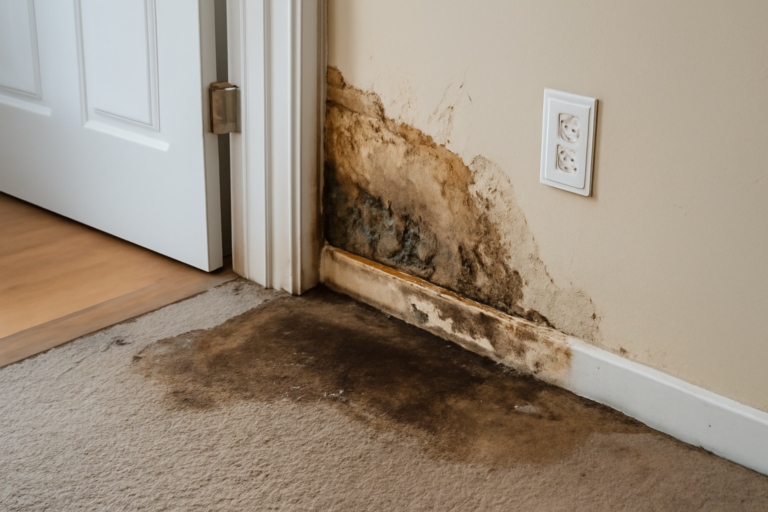
Look for new water spots or dark areas on your ceilings, walls, or under sinks. These are direct visual indicators that water has been present and is damaging your surfaces.
Mold or Mildew Growth
Any visible mold or mildew, even small patches, suggests a moisture problem that needs immediate attention. Mold can start growing within 24-48 hours in damp conditions, posing health risks.
Warm Spots on Floors or Walls
If you notice an area of your floor or wall that feels unusually warm to the touch, it could indicate a hot water supply line has broken beneath the surface. This is a clear sign of a serious plumbing issue.
Reduced Water Pressure
A sudden or gradual decrease in water pressure throughout your home can mean there’s a leak somewhere in your supply lines, allowing water to escape before it reaches your faucets. This symptom points to a significant loss of water.
Sound of Running Water When Nothing is On
If you hear dripping, hissing, or running water sounds when all your faucets and appliances are off, it’s a strong indicator of a leak in your plumbing system. This is a definitive sign of a problem.
Supply Line Break Repair vs. DIY: When To Call a Professional
| Situation | DIY? | Call a Pro? | Why |
|---|---|---|---|
| Locating the exact source of a leak | No | Yes | Supply lines are often hidden within walls, making professional tools necessary. |
| Shutting off the main water valve | Yes, if accessible | Yes, if unsure | Improperly shutting off water can cause further damage or injury. |
| Minor pipe fitting adjustment (e.g., tightening a visible joint) | Maybe, with caution | Yes, for safety | Incorrect tightening can cause a bigger break or leak. |
| Removing standing water in a small, accessible area | Yes, with buckets and towels | Yes, for larger amounts | DIY methods are inefficient for significant water volumes. |
| Drying out saturated drywall or subflooring | No | Yes | Professional drying equipment is needed to prevent mold and structural damage. |
| Repairing the actual broken pipe | Absolutely Not | Yes | Requires specialized tools, materials, and plumbing knowledge to ensure a lasting repair. |
While some minor water cleanup might seem DIY-friendly, supply line break repair itself is almost always a job for professionals. The risks of making the problem worse, causing secondary damage, or not properly drying the structure are too high. Trust our team for accurate diagnosis and effective repair.
Supply Line Break Repair Cost in Shorewood, MN
The cost of supply line break repair in Shorewood, MN, can vary significantly. Factors like the size of the break, the location of the pipe, the amount of water damage, and the accessibility of the area all play a role. These price ranges are estimates to help you budget. We offer free, no-obligation estimates on-site.
| Service Aspect | Typical Price Range | What Affects Cost |
|---|---|---|
| Emergency Water Extraction | $500 – $2,500 | Volume of water and size of affected area. |
| Structural Drying Equipment Rental | $300 – $1,500 | Duration of drying needed and number of units required. |
| Pipe Repair (Pinhole Leak) | $400 – $1,200 | Accessibility of the pipe and material needed for repair. |
| Pipe Repair (Major Break/Burst) | $1,000 – $4,000+ | Complexity of the break, length of pipe needing replacement. |
| Mold Remediation (if needed) | $750 – $4,000+ | Severity of mold growth and square footage affected. |
| Cosmetic Repairs (Drywall, Paint) | $500 – $3,000+ | Extent of structural damage and finishes required. |
An accurate estimate requires our technicians to visit your property and assess the damage firsthand. We provide transparent pricing and work with you to understand all costs involved before any work begins.
Service Areas Near Shorewood, MN
Chanhassen, Excelsior, Minnetonka, Victoria, Mound, Deephaven, Wayzata, Hopkins, St. Louis Park, Edina, Eden Prairie, Orono, Maple Plain, Independence, Greenfield, Long Lake, Plymouth, Crystal, Robbinsdale, Medina.
Common Questions About Supply Line Break Repair
What should I do immediately after discovering a supply line break?
The very first step is to shut off your home’s main water valve to stop the flow of water. If you can safely access it, locate the valve, usually in a basement or utility closet, and turn it clockwise. Next, call our team immediately. We’re available around the clock to provide emergency response and begin the mitigation process to prevent further damage.
How long does a supply line break repair typically take?
The timeline varies greatly depending on the severity of the break and the extent of water damage. Locating and repairing the broken pipe might take a few hours. However, the drying and restoration process can take anywhere from a few days to a couple of weeks. We focus on thorough drying to prevent long-term issues and get your home back to normal efficiently.
Will my homeowner’s insurance cover supply line break repairs?
Generally, homeowner’s insurance policies cover sudden and accidental supply line breaks. This typically includes the cost of repairing the pipe itself and the resulting water damage. However, policies often exclude damage from lack of maintenance or gradual leaks. We’ll help you understand your coverage and work with your adjuster to process your claim smoothly.
Are there health risks associated with a broken supply line?
Yes, especially if the water isn’t addressed promptly. Standing water creates an ideal breeding ground for mold and bacteria, which can cause respiratory problems and allergic reactions. A humid environment also attracts pests. Our team ensures thorough drying and sanitization to mitigate these health hazards.
How can I prevent supply line breaks in the future?
Regularly inspect visible pipes for corrosion or leaks, especially in older homes. Insulate pipes in unheated areas like crawl spaces or attics to prevent freezing and bursting during cold weather. If you’re going away for an extended period in winter, consider leaving your heat on a low setting. Addressing minor drips promptly can also prevent them from becoming major pipe failures.
Check Our Other Relevant Services
Serving Shorewood, MN And Nearby Areas