Trusted by 180+ Homeowners
Tile Floor Water Damage Restoration in Edina, MN
- Over 180 5-Star Reviews
- Free Estimates and Quotes
- 100% Satisfaction Guaranteed
- Child, Family & Pet Safe Steps
- 24-Hour Emergency Service
- Fully Licensed & Insured

Don’t Let Water Ruin Your Tile Floors in Edina, MN
If you’ve noticed standing water on your tile floors, or if your grout seems to be darkening and expanding, it’s crucial to act fast. Ignoring even minor signs of moisture beneath your tile can lead to significant structural damage and mold growth. Many homeowners in Edina, MN mistakenly think tile is waterproof, forgetting about the porous grout and the subfloor beneath. Addressing tile floor water damage immediately is the smartest first step you can take.
We’ve helped over 165 homeowners in your neighborhood restore their homes after water incidents, and many of them trusted us specifically for tile floor water damage restoration. They choose us because we understand the unique challenges of water trapped under tile and have a proven system to address it. You’ll find our team is responsive and thorough, getting your home back to normal quickly.
- We specialize in extracting water trapped beneath tiles and grout, preventing the spread of moisture to your subfloor and walls.
- Our advanced drying techniques target moisture within the tile assembly, ensuring a complete and healthy restoration.
- We identify and address the source of the leak, so you don’t have to worry about the problem happening again.
How We Tackle Tile Floor Water Damage
When water gets under your tile, it’s not just about mopping up the surface. It’s a hidden problem that requires a specialized approach. Our process is designed to be efficient and effective, dealing with moisture you can’t even see. Delaying professional help can turn a manageable situation into a costly nightmare, potentially damaging your subfloor and leading to mold. We believe in a clear, methodical approach to ensure no moisture is left behind.
1. Emergency Water Extraction
Our first priority is removing all visible standing water. We use powerful truck-mounted or portable extraction units to pull water directly from your tile and grout lines. This step is critical for stopping further damage and begins the drying process immediately.
2. Moisture Detection and Assessment
Using specialized equipment like infrared cameras and moisture meters, we pinpoint exactly where the water is hiding. This helps us understand the full extent of the problem, even in areas that look dry. We’ll map out the affected zones to ensure a complete restoration.
3. Targeted Drying and Dehumidification
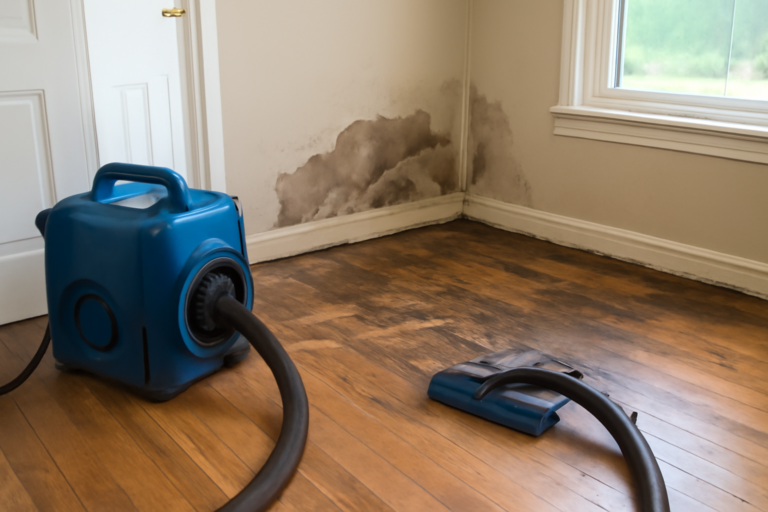
We bring in industrial-strength air movers and dehumidifiers to create an environment that accelerates evaporation. These units are strategically placed to create airflow under and around the affected tiles, drawing out trapped moisture. This focused drying is essential for tile, as it needs to dry from the bottom up.
4. Sanitization and Odor Control
Water damage often brings unwanted odors and can create breeding grounds for bacteria. We use professional-grade antimicrobial treatments to clean and sanitize the affected areas, neutralizing odors and ensuring a healthy living environment.
5. Final Inspection and Monitoring
We don’t leave until we’re certain your floors are completely dry. We’ll continue to monitor moisture levels to ensure the problem is resolved. Your satisfaction is our ultimate goal.
Don’t wait for water damage to worsen. Call us now for immediate assistance with your tile floors.

Warning Signs You Need Tile Floor Water Damage Restoration
Catching water issues early is key to preventing widespread damage and saving you money. Your tile floors might be telling you something’s wrong, even if you don’t see a flood. Being aware of these subtle indicators can make all the difference in protecting your home. Don’t overlook these potential trouble spots.
Musty Odors That Won’t Go Away
A persistent damp, musty smell, especially near your tile floors, is a strong indicator of trapped moisture. This smell often means mold or mildew is starting to grow. You need to investigate the source of this odor.
Loose or Cracked Grout
Water can weaken the adhesive holding your grout in place. If you notice grout that’s crumbling, cracking, or easily pulls away, it’s a sign that moisture has compromised its integrity. This suggests underlying water issues.
Warped or Damaged Subfloor
Even if the tile itself looks okay, persistent moisture can cause the wood or concrete subfloor beneath it to swell, warp, or even rot. You might hear creaking sounds or feel soft spots underfoot. This is a serious structural concern.
Discolored or Stained Grout/Tile
Water can carry minerals and contaminants that leave behind unsightly stains on your grout and the surface of your tiles. These stains are often a visual cue that water has been sitting for too long. Address these visual warnings promptly.
Water Pooling or Seepage
If you see water physically pooling on your tile floor, or if it seems to be seeping up through the grout lines, it’s an obvious sign of a leak. This requires immediate attention to prevent further saturation.
Buckling or Separating Tiles
As moisture gets trapped and expands, it can put pressure on your tiles, causing them to lift, buckle, or separate from the subfloor. This is a clear indication that the water has caused significant damage.
Tile Floor Water Damage Restoration vs. DIY: When To Call a Professional
| Situation | DIY? | Call a Pro? | Why |
|---|---|---|---|
| Minor spill on tile surface | Yes | No | Easy to clean up with towels and fans. |
| Small area of standing water (a few cups) | Maybe | Yes | Difficult to ensure all water under tiles is removed. |
| Water seeping from grout lines | No | Yes | Indicates saturation of subfloor and potential mold growth. |
| Persistent musty odor near tile | No | Yes | Sign of hidden moisture and mold that needs specialized equipment. |
| Loose, cracked, or buckling tiles | No | Yes | Suggests subfloor damage and requires professional drying and repair. |
| Large-scale flooding affecting tile floors | Absolutely Not | Yes | Requires immediate, industrial-level extraction and drying equipment. |
For anything beyond a simple spill, professional help is almost always necessary for tile floor water damage. The complexity of removing moisture from beneath tiles and ensuring the subfloor is properly dried requires specialized knowledge and equipment.
Tile Floor Water Damage Restoration Cost In Edina, MN
The cost to restore tile floors after water damage in Edina, MN can vary greatly. Factors like the size of the affected area, the depth of water intrusion, and the type of subfloor all play a role. These figures are general estimates and a precise quote requires an on-site assessment.
| Service | Typical Price Range | What Affects Cost |
|---|---|---|
| Water Extraction (Tile Floors) | $500 – $2,500 | Amount of water, size of room, and accessibility. |
| Moisture Detection & Assessment | $200 – $700 | Complexity of the area and need for specialized tools. |
| Targeted Drying & Dehumidification | $700 – $3,000+ | Duration needed, number of units, and room size. |
| Subfloor Drying/Repair | $1,000 – $5,000+ | Severity of damage and material of the subfloor. |
| Tile/Grout Cleaning & Sanitization | $300 – $1,500 | Extent of contamination and need for specialized treatments. |
| Odor Removal | $250 – $1,000 | Severity of odor and treatment methods required. |
Getting a free, no-obligation estimate is the best way to understand the exact costs for your specific situation. Our team will assess the damage and provide a clear breakdown.
Service Areas Near Edina, MN
Minneapolis, Saint Paul, Bloomington, Richfield, St. Louis Park, Hopkins, Minnetonka, Eden Prairie, Chanhassen, Shorewood, Deephaven, Wayzata, Orono, Mound, Excelsior, Chaska, Shakopee, Savage, Prior Lake, Burnsville.
Common Questions About Tile Floor Water Damage Restoration
What if I just mop up the water on my tile floor?
While mopping up visible water is a good first step, it’s rarely enough for tile floors. Water can seep into grout lines and saturate the subfloor, creating a hidden moisture problem. Without specialized drying equipment, that trapped moisture can lead to mold and structural damage. We use advanced tools to ensure the entire tile assembly is dried properly.
How long does it take to dry out tile floors after water damage?
The drying time for tile floors can vary significantly, typically ranging from 24 hours to several days. It depends on how much water is present, how deep it has penetrated, and the effectiveness of our drying equipment. We monitor moisture levels closely to determine when the drying process is complete.
Is water damage under my tile floors a health hazard?
Yes, absolutely. Trapped moisture under tile floors creates an ideal environment for mold and mildew growth, which can release spores into your air. Inhaling these spores can cause respiratory problems and allergic reactions. Our restoration process includes thorough sanitization to eliminate these health risks.
How much does it cost to fix water damage under tile floors?
The cost can range from a few hundred dollars for minor issues to several thousand for extensive damage. It depends on the scope of the water intrusion, the size of the affected area, and whether subfloor repairs are needed. We provide detailed estimates after a thorough inspection.
Should I be worried about my insurance covering tile floor water damage?
Most homeowner’s insurance policies cover sudden and accidental water damage, but it’s always best to check your specific policy. Documenting the damage and contacting your insurance provider promptly is crucial. We work with insurance companies to help streamline the claims process for you.
Check Our Other Relevant Services

James Spivey: Damage Restoration Expert
James Spivey is a licensed restoration authority with over 20 years of specialized experience in property recovery and disaster mitigation. Throughout his two-decade career, James has built a reputation for excellence, combining technical mastery with a compassionate approach to emergency restoration.
𝗖𝗲𝗿𝘁𝗶𝗳𝗶𝗰𝗮𝘁𝗶𝗼𝗻𝘀: James holds premier IICRC certifications in Water Damage Restoration, Mold Remediation, Applied Structural Drying, Odor Control, and Fire and Smoke Restoration. His deep expertise ensures every project complies with stringent industry safety protocols and structural integrity standards.
𝗕𝗲𝘀𝘁 𝗣𝗮𝗿𝘁 𝗼𝗳 𝘁𝗵𝗲 𝗷𝗼𝗯: James finds the most joy in seeing the relief on a homeowner’s face when their property is finally restored, providing a bridge from disaster back to normalcy.
𝗙𝗮𝘃𝗼𝗿𝗶𝘁𝗲 𝗣𝗮𝘀𝘁𝗶𝗺𝗲: When he isn’t on-site, James is a passionate gardener and enjoys restoring classic cars.