Trusted by 180+ Homeowners
Water Damage Assessment in Stillwater, MN
- Over 180 5-Star Reviews
- Free Estimates and Quotes
- 100% Satisfaction Guaranteed
- Child, Family & Pet Safe Steps
- 24-Hour Emergency Service
- Fully Licensed & Insured
Discovering Water Damage? We’ll Assess It Fast in Stillwater, MN
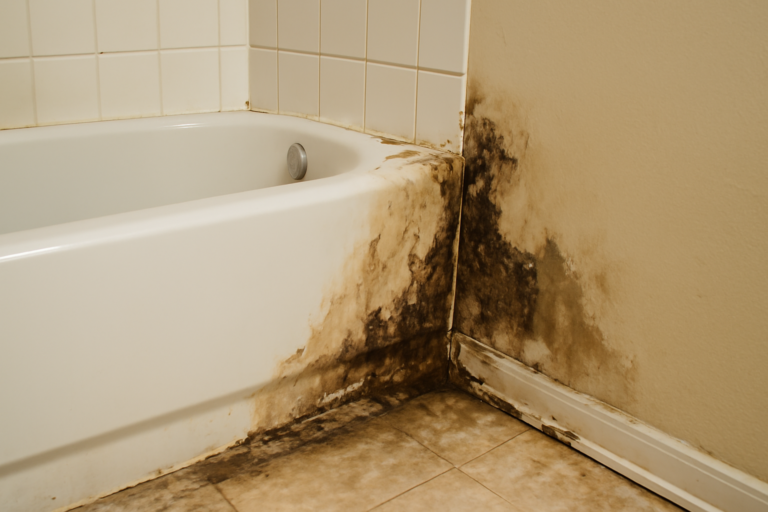
You walk into your basement, and that familiar chill hits you. But this time, it’s not the usual cool air. You see it: a dark, spreading stain on the drywall, or perhaps a faint, damp odor that just won’t quit. These early signs are your home’s way of telling you something’s wrong, and you need to act immediately. Ignoring them can lead to much bigger problems down the road. That’s where a professional Water Damage Assessment becomes absolutely critical for your property.
Our local homeowners trust us because we’re known for our detailed assessments and our commitment to getting it right the first time. With over 165 five-star reviews from people right here in the area, you know you’re choosing a team that understands the unique challenges our region presents. We deliver accurate diagnostics so you can make informed decisions about your home’s future.
- We pinpoint hidden moisture that could lead to mold or structural damage, giving you a clear picture of the situation.
- Our technicians use specialized equipment to measure moisture levels precisely, ensuring no guesswork is involved.
- You’ll receive a thorough report outlining the extent of the damage and our recommended next steps, providing transparency and clarity.
The Technical Process of Water Damage Assessment
A proper Water Damage Assessment is more than just looking around; it’s a scientific process. It involves using specialized tools and following strict protocols to understand exactly where water has gone and how much moisture remains. When corners are cut during an assessment, it can mean missed damage, prolonged drying times, and ultimately, higher costs for you. We believe in doing it right, thoroughly and efficiently, so you can move forward with confidence.
Initial Inspection
We start with a visual inspection, looking for obvious signs of water intrusion. This includes checking walls, floors, and ceilings for staining, sagging, or visible moisture. We’re not just looking at the surface; we’re assessing potential entry points and visible damage to get an initial understanding of the scope.
Moisture Meter Readings
Our technicians use advanced moisture meters to detect water hidden within building materials like drywall, wood, and carpet. These tools give us precise readings, revealing saturation levels that your eyes can’t see. This step is crucial for understanding the true extent of the problem.
Thermal Imaging
Using infrared cameras, we can identify temperature differences in your walls and ceilings. This helps us visualize moisture plumes and areas of insulation damage that may not be visible otherwise. Thermal imaging provides invaluable data for a complete assessment.
Moisture Mapping
Based on meter readings and thermal imaging, we create a detailed moisture map of your property. This visual guide shows exactly where moisture is present and at what levels. This mapping is key to developing an effective drying plan.
Reporting and Recommendations
Once our assessment is complete, we provide you with a clear, detailed report. It outlines our findings, the moisture levels, and our professional recommendations for remediation and drying. You’ll understand the full picture before any work begins.
Don’t delay when you suspect water damage. Contact us today for a rapid and reliable assessment. We’re here to help you get the answers you need, quickly and accurately.

Warning Signs You Need Water Damage Assessment
Catching water damage early is the smartest move you can make for your home. These subtle signs often appear long before you see major structural issues. Recognizing them means you can get a professional assessment and prevent costly repairs or health hazards. Paying attention to these indicators is your first line of defense against bigger problems.
Musty Odors That Won’t Go Away
If you notice a persistent damp, earthy, or musty smell, especially in basements, bathrooms, or areas with poor ventilation, it’s a strong indicator of hidden moisture. This odor is often caused by mold or mildew growth, which thrives in damp environments and signals the need for an assessment. Don’t ignore these smells; they’re a serious warning.
Discolored or Peeling Paint and Wallpaper
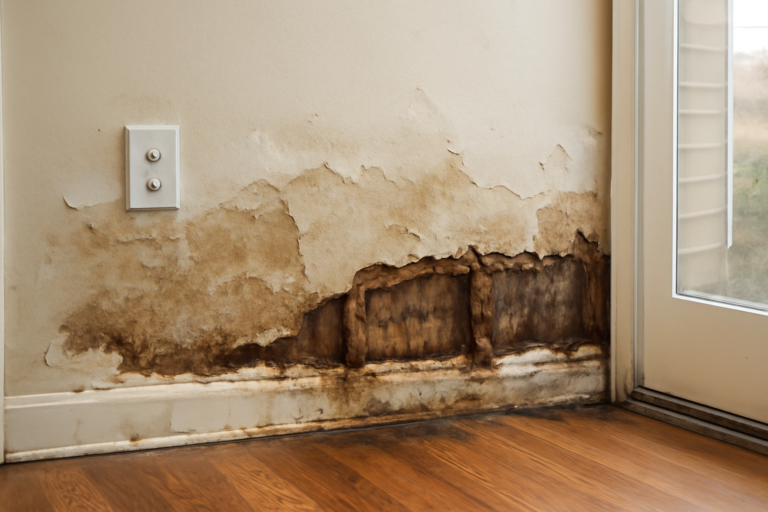
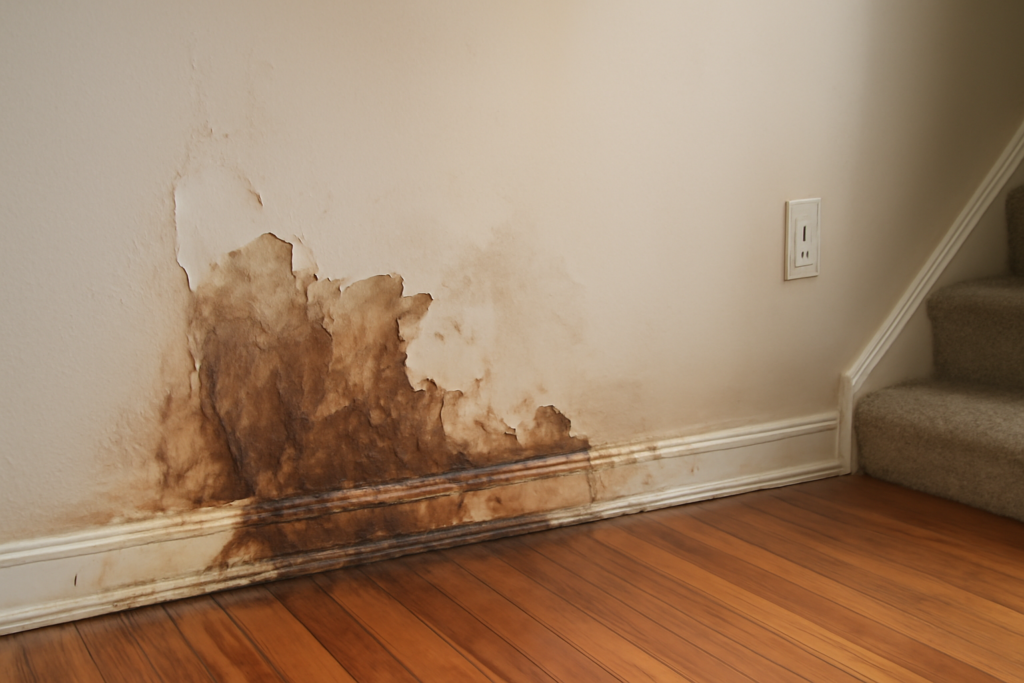
Bubbling, peeling, or discolored paint and wallpaper are clear visual cues that moisture is present behind the surface. This indicates that water has saturated the material and is starting to compromise the integrity of your walls. These visual changes mean trouble.
Warped or Stained Ceilings and Walls
Look for any sagging, warping, or new stains appearing on your ceilings and walls. These are direct signs that water is accumulating above or within your walls, potentially from a leaky pipe or roof issue. Visible deformation is a critical alert.
Soft or Spongy Flooring
If your carpets feel unusually damp or your wood or laminate flooring feels soft or spongy underfoot, it means there’s moisture trapped beneath. This can lead to rot and structural damage if left unaddressed. Unusual floor sensations demand attention.
Increased Humidity Levels
A sudden or consistent increase in indoor humidity, even when you haven’t changed your usual routines, can point to an active water problem. This creates a breeding ground for mold and can make your home feel uncomfortably damp and sticky. Pay attention to your home’s air quality.
Unexplained Water Bills
If you notice a spike in your water bill without any apparent reason, it could be a sign of a hidden leak somewhere in your plumbing system. A small, constant leak can cause significant damage over time. Unexpected costs signal leaks.
Water Damage Assessment vs. DIY: When To Call a Professional
| Situation | DIY? | Call a Pro? | Why |
|---|---|---|---|
| Visible small puddle on kitchen floor after a minor spill. | Yes | No | Easy to clean up and dry with towels. |
| Damp spot on ceiling after a heavy rain. | Maybe | Yes | Could indicate roof damage requiring expert inspection. |
| Musty smell in the basement that you can’t locate. | No | Yes | Hidden moisture and potential mold growth require specialized detection. |
| Slightly damp carpet after a small bathroom leak. | Yes | No | Can usually be dried and disinfected with basic household items. |
| Warped drywall or water stains on walls after a burst pipe. | No | Yes | Requires professional assessment to check for structural damage and hidden saturation. |
| Persistent high humidity and condensation on windows. | No | Yes | Indicates a systemic moisture issue that needs professional evaluation. |
While minor spills are usually manageable with DIY efforts, anything beyond that requires professional attention. A thorough assessment is vital for anything more than a surface-level issue. It ensures that hidden problems are identified and addressed before they escalate into major concerns for your home.
Water Damage Assessment Cost In Stillwater, MN
The cost of a Water Damage Assessment in Stillwater, MN can vary based on the complexity of the situation, the size of your property, and the extent of the suspected damage. These figures are general estimates, not fixed quotes. Understanding these factors helps you prepare for the process.
| Service | Typical Price Range | What Affects Cost |
|---|---|---|
| Basic Visual Inspection & Moisture Metering | $300 – $800 | Size of the affected area and number of readings needed. |
| Advanced Assessment (Thermal Imaging Included) | $600 – $1,500 | Complexity of the building, accessibility, and extent of suspected damage. |
| Detailed Moisture Mapping Report | $800 – $2,000 | Thoroughness of documentation and level of detail required for insurance. |
| Emergency Assessment (After Hours/Weekend) | $750 – $2,500+ | Urgency, time of day, and immediate need for specialized equipment. |
| Follow-up Assessment During Drying | $400 – $1,000 | Number of follow-up checks needed to ensure proper drying protocols. |
Exact pricing depends on a firsthand inspection of your property. We offer free initial estimates so you know what to expect before we begin any work.
Service Areas Near Stillwater, MN
Afton, Bayport, Baytown, Cottage Grove, Dellwood, Forest Lake, Grant, Hugo, Lake Elmo, Lakeland, Lakeland Shores, Landfall, Lino Lakes, Marine on St Croix, May, Oakdale, Oak Park Heights, Pine Springs, St Croix Beach, Stillwater Township, White Bear Lake.
Common Questions About Water Damage Assessment
How long does a Water Damage Assessment typically take?
A standard Water Damage Assessment can take anywhere from 2 to 4 hours, depending on the size of your property and the complexity of the issue. Our technicians work efficiently to gather all necessary data. We aim to provide you with a clear understanding of the situation as quickly as possible, so you can make informed decisions about your home.
What if my insurance company requires a professional assessment?
Most insurance claims for water damage require a detailed, professional assessment. We provide thorough documentation, including moisture readings and photographic evidence, that your insurance company will need. We work with your adjuster to ensure all damage is properly identified and reported for your claim.
Can I do a basic water damage assessment myself before calling you?
You can certainly look for visible signs like stains or puddles. However, true assessment requires specialized tools like moisture meters and thermal cameras to detect hidden water and mold. Relying solely on a DIY check might mean missing critical issues that could cause long-term damage and health problems.
What are the health risks associated with undetected water damage?
Undetected water damage can lead to mold and mildew growth, which can cause respiratory problems, allergic reactions, and other health issues. Damp environments also attract pests. Your family’s health is paramount, which is why a professional assessment is so important for identifying and mitigating these risks.
How do you determine the drying protocol after an assessment?
Based on our assessment, we develop a specific drying plan using advanced equipment like air movers and dehumidifiers. We monitor moisture levels closely to ensure materials dry properly and quickly, preventing secondary damage. Our scientific approach ensures your home is dried to safe levels, minimizing the risk of future problems.
Check Our Other Relevant Services
Serving Stillwater, MN And Nearby Areas