West St. Paul, MN · Dakota County
Water Damage Cleanup in West St. Paul, MNSewage Backup Cleanup & Structural Drying Services
Water Damage Cleanup in West St. Paul often includes emergency water extraction, structural drying services and wet carpet removal.
Answered 24/7
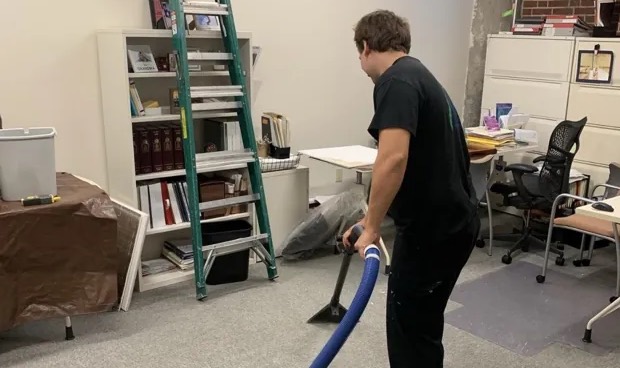
Local Water Damage Cleanup Response in West St. Paul, Minnesota
In West St. Paul, cleanup costs climb if extraction and drying are left incomplete. Lingering dampness causes warping, stains and odors that make repairs harder for MN homeowners.
In West St. Paul and nearby South St. Paul, Mendota Heights and Inver Grove Heights, burst pipes and appliance leaks can ruin floors and walls quickly. Local pros extract the water and dry the structure before mold can start.
Detailed Water Damage Cleanup Solutions for West St. Paul
Sewage Backup Cleanup
Local water removal experts in West St. Paul start flood cleanup by deploying truck-mounted or portable extractors to remove standing water from floors and carpets.
Structural Drying Services
After bulk water removal, hidden moisture in walls and subfloors must be addressed. Pros use industrial air movers and dehumidifiers to create optimal drying conditions, targeting porous materials like drywall and wood.
Flooring Water Damage Repair
Flooded floors are evaluated by checking moisture beneath surfaces, as subfloor damage is often critical.
Ceiling Water Damage Cleanup
Ceiling issues from leaks are common. Extraction and drying for affected ceilings is handled, with precautions taken to protect contents below.
Emergency Water Extraction
Immediate water extraction uses truck-mounted equipment to remove standing water from floors and carpets.
Indicators of Water Damage in West St. Paul Homes
Damp or Musty Odors
An earthy smell often means hidden moisture and possible mold behind a surface.
High Indoor Humidity Levels
Condensation on windows or a clammy feel in the air suggests poor drying after a leak, risking secondary water damage.
Swollen Wooden Cabinets
Cabinet doors that stick or swell can mean the cabinets have absorbed water.
Mold Spots on Surfaces
Black or green specks on walls, ceilings or baseboards point to a moisture problem.
How Water Damage Cleanup Works in West St. Paul
Step 1: Water Containment
Response begins with containing the water to prevent migration to dry areas. Water removal services use barriers and extraction to confine the damage zone.
Step 2: Comprehensive Moisture Extraction
Every ounce of removable water is extracted from carpets, padding, and hard surfaces. This deep water removal is the foundation for all effective drying that follows.
Step 3: Advanced Drying and Dehumidification
Industrial-grade dehumidifiers and air movers create a controlled drying environment. This process pulls moisture from the air and materials for complete structural drying.
Step 4: Sanitation and Mold Prevention Drying
Affected areas are treated with antimicrobials where appropriate to inhibit mold. The drying environment is maintained to achieve mold prevention drying standards.
Why West St. Paul Properties Need Water Damage Cleanup
Sprinkler System Leaks
Broken irrigation lines near the foundation can saturate the soil and lead to water intrusion into the home's lower levels.
Roof Leaks From Storm Damage
Missing shingles or damaged flashing let rain into the attic and walls.
Appliance Malfunctions and Overflows
Washing machine hoses, dishwasher seals and water heater tanks can fail and flood the area around them.
Natural Flooding Events
Heavy rain or nearby flooding can put water inside a home through doors and low spots.
Residential and Commercial Water Damage Cleanup in West St. Paul
Residential Water Damage Cleanup
At home, hidden moisture from a leak can hurt air quality and the structure. Pros dry wall cavities, subfloors and ceilings to prevent mold and future repairs.
Commercial Water Damage Cleanup
In offices and stores, pros find and contain the leak to protect stock and equipment, then extract and dry so the business can reopen on time.
Water Damage Cleanup vs. DIY: When to Call Water Removal Experts
You may carefully remove visible water from a tub or sink overflow using a mop or wet vacuum you own. Wipe down exposed surfaces with a disinfectant.
Estimating Your Water Damage Cleanup Cost in West St. Paul
Cost depends on how long the leak ran, which materials got soaked and how much drying the job needs.
Extent of Saturation
The square footage and depth of saturation set the equipment and time needed.
Required Drying Time
The humidity levels and airflow in the space determine how long industrial dehumidifiers and air movers must run to achieve complete drying, impacting labor costs.
Type of Materials
Drywall and carpet absorb more water and often must be removed, while hard surfaces may only need drying.
Does Insurance Cover Water Damage Cleanup?
Emergency water damage cleanup from an internal burst pipe is frequently covered. Damage from natural flooding or sewer backups may require additional endorsements. The experts help by meticulously recording the extent of water intrusion for the insurance file.
Advantages of Local Experts for West St. Paul Water Damage Cleanup
Content Salvage Prioritization
Your belongings matter. Content drying and cleaning techniques are employed to save furniture, documents, and other items affected by water.
Detailed Damage Documentation
The experts document affected areas with photos and moisture readings to support your claim.
IICRC-Standard Drying Methods
Pros follow proven drying methods so the structure is fully dry before repairs.
24/7 Emergency Water Damage Cleanup in West St. Paul
A ceiling collapse or significant leak needs urgent attention. Contact the experts at (612) 688-3131 for 24/7 emergency water damage repair and drying services in West St. Paul.
Call Now (612) 688-3131Water Damage Cleanup for West St. Paul and Surrounding Communities
In West St. Paul and neighboring places such as South St. Paul, Mendota Heights and Inver Grove Heights, the experts handle flood cleanup, wet carpet removal and drying.
- Water Damage Cleanup in South St. Paul
- Water Damage Cleanup in Mendota Heights
- Water Damage Cleanup in Inver Grove Heights
- Water Damage Cleanup in Maplewood
- Water Damage Cleanup in Woodbury
- Water Damage Cleanup in Falcon Heights
- Water Damage Cleanup in Little Canada
- Water Damage Cleanup in Eagan
- Emergency Damage Restoration in 55107
- Fire Damage Restoration in 55107
- Mold Remediation Services in 55107
- Storm Damage Restoration in 55107
- Water Damage Restoration in 55107
- Water Leak Detection in 55107
- Emergency Damage Restoration in 55118
- Fire Damage Restoration in 55118
Water Damage Cleanup Information and FAQs
What documentation methods support an insurance claim?
Damage is documented with detailed photos, moisture readings mapped on diagrams, and logs of equipment used.
How long does water damage restoration take?
It depends on the damage. Extraction may take a day, while drying and repairs can take several days to a week.
What is the difference between water removal and drying?
Water removal is the physical extraction of standing liquid. Drying is the subsequent process of removing moisture trapped in materials and the air using evaporation and dehumidification.
Why is content drying part of restoration?
It saves furniture, documents and other belongings that got wet, and insurers may ask for it.
How should water extraction begin?
As soon as possible. Standing water soaks into materials and can lead to mold within a day or two.