West St. Paul, MN · Dakota County
Water Damage Mitigation in West St. Paul, MNRapid Water Extraction & Floor Water Damage Cleanup
Water Damage Mitigation for West St. Paul homes includes emergency water extraction, structural drying services and mold prevention after water.
Answered 24/7
Emergency Water Damage Mitigation for West St. Paul Homes
Appliance malfunctions, pipe bursts and roof leaks can cause water damage, soaking drywall, carpets and floors. Porous materials absorb moisture fast, so emergency water extraction is needed to stop the spread before mold develops.
In West St. Paul, water damage mitigation means removing water quickly and drying the structure before mold starts. Local water damage pros also serve nearby South St. Paul, Mendota Heights and Inver Grove Heights.
The Water Damage Mitigation Process in West St. Paul
Rapid Water Extraction
The pros in West St. Paul use truck-mounted extractors for emergency water extraction.
Floor Water Damage Cleanup
Water can ruin hardwood, laminate, and tile flooring quickly. The pros assess the flooring type and water source.
Water Damaged Drywall Repair
When drywall is wet, it loses integrity and can harbor mold. The pros follow industry-standard methods to remove affected areas.
Wet Carpet Drying
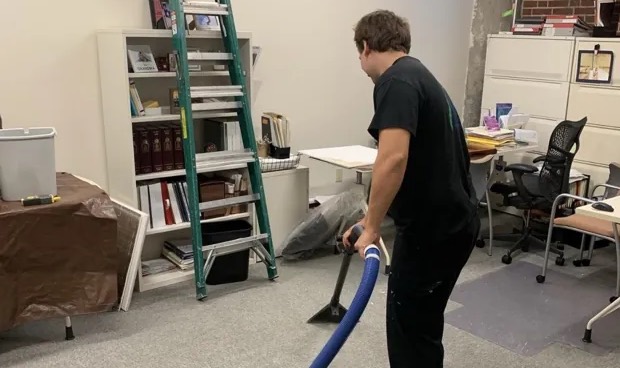
Carpets and pads hold significant moisture. The pros use tools to separate carpet from pad for airflow.
Moisture Detection Inspection
Without proper detection, moisture can remain and cause problems months later. The pros perform thorough inspections to identify every area requiring drying.
Signs You Need Water Damage Mitigation
Musty Odors in Your Home
Persistent musty smells often indicate hidden moisture and potential mold growth after a water leak.
Peeling Paint or Wallpaper
Paint or wallpaper that is blistering or peeling away from the surface is often due to moisture.
Warping or Buckling Floorboards
Wood floors that are warping, cupping, or buckling have likely absorbed significant moisture.
Sagging or Soft Drywall
Drywall that is sagging, soft to the touch, or has bubbles indicates serious water damage.
How Water Damage Mitigation Works in West St. Paul
Step 1: First Call and Assessment
The pros perform an initial visual assessment to scope the water damage restoration project.
Step 2: Bulk Water Extraction and Removal
Using submersible pumps and floating extractors, all bulk water is removed from the property.
Step 3: Comprehensive Floor Water Damage Cleanup
Hardwood, laminate, tile and subflooring are each dried in the way that suits them, to keep them from warping or loosening.
Step 4: Completion and Air Quality Check
Once drying goals are met, equipment is removed. The air is checked for excessive humidity, and a final report is provided for your insurance claim regarding the water damage mitigation.
Frequent Sources of Home Water Damage
Appliance Malfunctions and Leaks
Water heaters, washing machines, dishwashers, and refrigerators can leak or overflow, causing significant floor water damage.
Natural Flooding From Heavy Rain
Heavy rain or a nearby creek or river overflowing can flood a home.
Foundation Cracks and Seepage
Cracks in a home's foundation or basement walls permit groundwater intrusion, especially after heavy rain.
Sprinkler System Malfunctions
Broken sprinkler heads or lines can saturate exterior walls and seep into the structure over time.
Home and Business Water Damage Mitigation in West St. Paul
Residential Water Damage Mitigation
At home, pros extract water from living areas, bedrooms and basements, dry carpet and pad and protect belongings, whether the leak came from an appliance, plumbing or the roof.
Commercial Water Damage Mitigation
For businesses, water damage cleanup must minimize downtime and protect inventory, equipment, and critical documents. The pros handle large-scale extraction from offices, retail floors, and storage areas.
Water Damage Mitigation vs. DIY: When to Call Restoration Pros
For a small leak, wipe water off tile or vinyl and blot what you can with towels. Open windows if the weather allows. Soaked drywall, carpet or insulation needs drying by the pros in West St. Paul.
Cost Considerations for Water Damage Mitigation in West St. Paul
In West St. Paul, cost depends on the water source and how long materials stayed wet. Longer saturation means more work.
Access Complexity
Hard-to-reach areas like crawlspaces or tight corners can increase the time and effort required for water extraction and drying.
Mold Prevention Steps
Antimicrobial treatment to prevent mold adds a step and some cost to the job.
Material Type
Porous materials like drywall and carpet absorb more water, often needing removal. Non-porous surfaces may only require surface drying.
Does Insurance Cover Water Damage Mitigation?
Coverage depends on your policy. Insurers generally cover mitigation needed to prevent more damage after a covered event. Pros in West St. Paul record the conditions for your claim.
Reasons to Hire Local Pros in West St. Paul for Water Damage Mitigation
Mold Prevention Protocols
Antimicrobial treatment and full drying help prevent mold after water damage in your home.
Organized Cleanup Process
Each step, from extraction to the final dryness check, is done in order and recorded.
Focused Material Repair
Pros also repair common problem areas, like water-damaged drywall and wet carpet.
24/7 Emergency Water Damage Mitigation in West St. Paul
When you discover water damage in West St. Paul, call (612) 688-3131 for emergency mitigation. Delaying water removal service allows water to spread and absorb deeper into materials, increasing the scope and cost of restoration.
Call Now (612) 688-3131Water Damage Mitigation Near West St. Paul: Areas Served
Homeowners in West St. Paul and neighboring places like South St. Paul, Mendota Heights and Inver Grove Heights need reliable water damage inspection and mitigation.
- Water Damage Mitigation in South St. Paul
- Water Damage Mitigation in Mendota Heights
- Water Damage Mitigation in Inver Grove Heights
- Water Damage Mitigation in Maplewood
- Water Damage Mitigation in Woodbury
- Water Damage Mitigation in Falcon Heights
- Water Damage Mitigation in Little Canada
- Water Damage Mitigation in Eagan
- Emergency Damage Restoration in 55107
- Fire Damage Restoration in 55107
- Mold Remediation Services in 55107
- Storm Damage Restoration in 55107
- Water Damage Restoration in 55107
- Water Leak Detection in 55107
- Emergency Damage Restoration in 55118
- Fire Damage Restoration in 55118
Your Water Damage Mitigation Questions Addressed
What does structural drying involve?
Air movers and dehumidifiers pull moisture out of wood, drywall and concrete until readings are back to normal.
How should water extraction begin?
Emergency water extraction should begin as soon as possible, ideally within hours. The longer water sits, the more it absorbs into materials, increasing damage and drying time.
Is water damage mitigation different from restoration?
Mitigation is the emergency stop-dry-clean phase immediately after the incident. After the structure is dry and stable, restoration is the rebuilding and repair phase that follows.
Why is moisture detection important for mitigation?
It uses meters to find water hidden inside walls or under floors, so drying does not stop too early.
Does water damage always lead to mold?
Mold can start within 24 to 48 hours in damp conditions. Full drying and antimicrobial treatment help prevent it.