Trusted by 180+ Homeowners
Drywall Water Damage Repair in Edina, MN
- Over 180 5-Star Reviews
- Free Estimates and Quotes
- 100% Satisfaction Guaranteed
- Child, Family & Pet Safe Steps
- 24-Hour Emergency Service
- Fully Licensed & Insured

The Stains Are Spreading: Drywall Water Damage in Your Edina Home
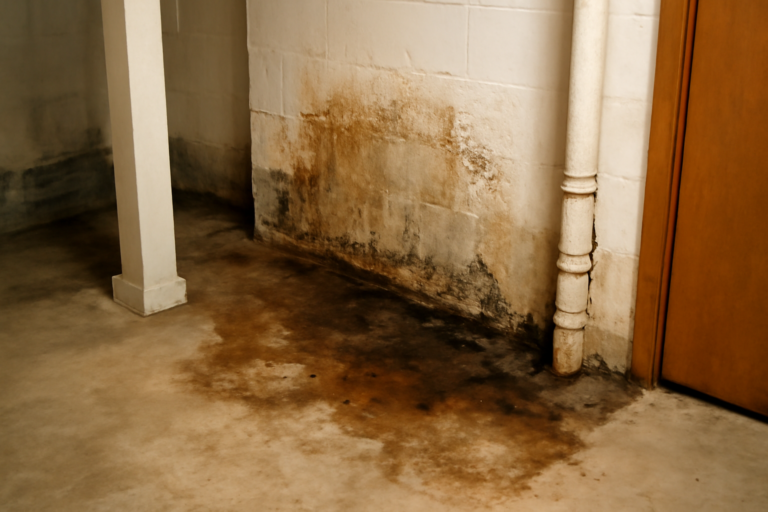
You just noticed it. A small, telltale stain on your ceiling, or maybe a soft, spongy spot on the wall. You press it gently, and water seeps out. That sinking feeling hits you as you realize your drywall has absorbed a significant amount of water, and it’s spreading fast. This isn’t just an eyesore; it’s a sign that moisture is deeply embedded, potentially causing structural issues if left untreated. You need to address this drywall water damage now.
It’s why so many homeowners around here trust our crews for their Drywall Water Damage Repair needs. With over 165 five-star reviews, you know you’re getting a team that consistently delivers reliable, effective repairs. We understand the unique challenges of water intrusion in homes, and we’re here to get your property back to normal, fast.
- We don’t just patch and paint; we identify the true source of the water to prevent future problems before they start.
- Our advanced drying techniques ensure that hidden moisture is eliminated, preventing mold growth and further deterioration of your drywall and framing.
- You’ll get a clear, honest assessment of the damage and a detailed plan for repair, so you always know what to expect.
How We Tackle Drywall Water Damage Head-On
When water finds its way into your drywall, it’s not a simple fix. The material becomes saturated, weakening its structure and creating an ideal environment for mold. Our approach focuses on thorough assessment and scientific drying protocols. Simply painting over water stains won’t solve the underlying problem; in fact, it can lead to more extensive damage and costly repairs down the line. We use specialized equipment and proven methods to ensure your drywall is dried properly and restored to its original condition.
Initial Water Extraction and Containment
The first step is always to stop the water source. Once contained, we use powerful extraction equipment to remove as much standing water from the affected drywall and surrounding areas as possible. This prevents further saturation and begins the crucial drying process.
Moisture Detection and Assessment
Our technicians use advanced moisture meters and thermal imaging cameras to pinpoint exactly how far the water has spread within your walls and ceilings. This detailed assessment is critical for creating an effective drying plan and ensuring no dampness is left behind.
Controlled Drying Process
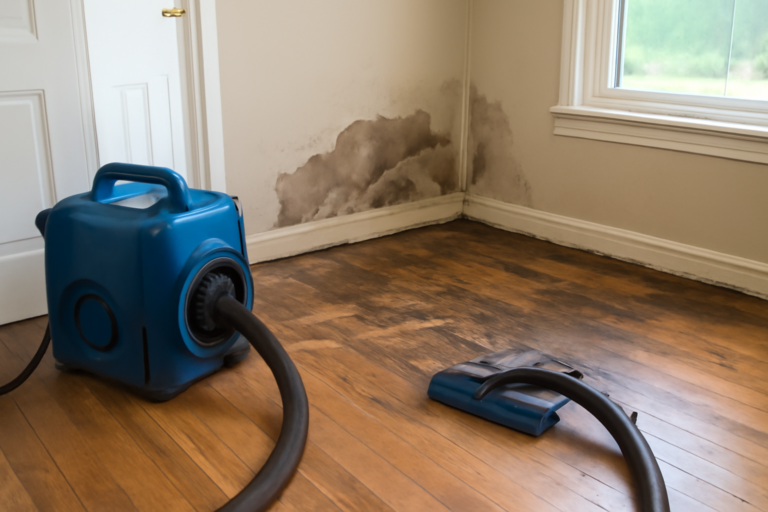
We set up a controlled drying environment using high-velocity air movers and industrial dehumidifiers. These machines work together to accelerate evaporation, pulling moisture out of the air and your building materials. This process is carefully monitored to ensure optimal drying conditions are maintained.
Mold Prevention and Remediation
Saturated drywall is a breeding ground for mold. We proactively apply antimicrobial treatments to the affected areas to prevent mold spores from developing. If mold is already present, we have the expertise and equipment for safe and effective mold remediation.
Drywall Repair and Restoration
Once the area is completely dry and free of mold, our skilled crews will repair or replace the damaged drywall. This includes patching holes, replacing sections, applying texture to match existing walls, and priming for paint. We aim for a seamless finish that makes it look like the damage never happened.
Don’t wait for those water stains to turn into a bigger headache. Call us today to get your drywall water damage addressed quickly and effectively.

Warning Signs You Need Drywall Water Damage Repair
Catching drywall water damage early is key to minimizing the impact on your home. Ignoring these signs can lead to more extensive structural issues and even affect your family’s health. We’ve seen it all, and these are the most common indicators that you need professional help right away.
Musty Odors That Won’t Go Away
A persistent, damp, or musty smell, especially in a specific room or near a ceiling, is a strong indicator of hidden moisture. This smell often means mold is starting to grow behind your walls or above your ceiling.
Visible Water Stains or Discoloration
Yellow, brown, or even dark greyish stains appearing on your ceiling or walls are obvious signs of water intrusion. These stains mean the water has saturated the drywall and is likely seeping into the insulation and framing.
Peeling or Bubbling Paint and Wallpaper
When paint or wallpaper starts to blister, bubble, or peel away from the wall, it’s usually because moisture is trapped behind it. This indicates that the drywall paper is softening and losing its adhesion.
Sagging or Soft Spots in Ceilings and Walls
If you notice a section of your ceiling or wall feels soft, spongy, or is visibly sagging, it’s a serious sign. The drywall is likely heavily saturated and losing its structural integrity. This requires immediate attention.
Cracks or Crumbling Drywall
Water saturation can break down the gypsum core of drywall, causing it to crack, crumble, or even fall apart. You might see new cracks forming or existing ones widening significantly.
Mold or Mildew Growth
Any visible signs of mold, whether fuzzy patches of green, black, or white, or slimy mildew, means there’s been moisture present for some time. This is a health hazard that needs to be addressed by professionals.
Drywall Water Damage Repair vs. DIY: When To Call a Professional
| Situation | DIY? | Call a Pro? | Why |
|---|---|---|---|
| Small, fresh ceiling stain from a minor leak (e.g., a single-day overflow). | Yes, potentially | Maybe | If you’re confident you’ve stopped the leak and thoroughly dried the area. |
| Large, spreading ceiling stains or multiple stains. | No | Yes | You likely have hidden moisture and potential mold growth that requires specialized equipment. |
| Wall stains with visible bubbling paint or peeling wallpaper. | No | Yes | This indicates saturation and potential structural weakening of the drywall. |
| Musty odors present, even without visible stains. | No | Yes | Mold can grow unseen, posing health risks and requiring professional assessment. |
| Sagging or soft spots on walls or ceilings. | Absolutely Not | Yes | This is a critical sign of structural compromise that needs immediate professional intervention. |
| After a significant water event like a burst pipe or roof leak. | No | Yes | These events often cause widespread saturation requiring professional drying and repair to prevent long-term damage. |
For anything beyond a very minor, superficial water spot, calling a professional is usually the smartest choice. Our team has the specialized tools and expertise to ensure the damage is fully addressed, preventing future problems like mold and structural decay.
Drywall Water Damage Repair Cost in Edina, MN
The cost of drywall water damage repair in Edina, MN can vary significantly depending on the extent of the damage. Factors like the size of the affected area, the severity of saturation, and whether mold is present will influence the final price. These are general estimates to help you budget.
| Service | Typical Price Range | What Affects Cost |
|---|---|---|
| Moisture Detection & Assessment | $300 – $800 | Complexity of the affected area, use of thermal imaging. |
| Controlled Drying (Equipment Rental) | $500 – $2,000 per day | Size of the space, length of drying time required. |
| Mold Prevention Treatment | $200 – $600 | Size of the treated area and type of treatment used. |
| Small Drywall Patch Repair (up to 2’x2′) | $300 – $700 | Matching texture, accessibility of the area. |
| Large Drywall Section Replacement | $800 – $3,000+ | Size of the section, need for structural support, finishing required. |
| Complete Water Damage Restoration (for severe cases) | $2,000 – $10,000+ | Overall scope of damage, structural repairs, mold remediation. |
We always recommend getting a detailed, on-site estimate to understand the exact costs for your specific situation. We offer free estimates for your convenience.
Service Areas Near Edina, MN
Minneapolis, Saint Paul, Bloomington, Richfield, Hopkins, Minnetonka, St. Louis Park, Eden Prairie, Chanhassen, Wayzata, Golden Valley, New Hope, Crystal, Plymouth, Maple Grove, Shakopee, Prior Lake, Savage, Burnsville, Lakeville.
Common Questions About Drywall Water Damage Repair
How long does it take to dry out wet drywall?
The drying time for wet drywall can vary significantly, typically ranging from 24 hours to several days. It depends on how saturated the material is, the ambient humidity, and the effectiveness of our drying equipment. Our technicians monitor moisture levels closely to ensure the drywall is completely dry before any repairs begin.
Is it safe to stay in my home while drywall is wet?
It can be unsafe to remain in your home if the drywall is significantly wet, especially if mold growth is suspected or present. Hidden mold can release spores into the air, posing respiratory health risks. We recommend evacuating the area if you notice strong musty odors or visible mold, and we’ll work to get your home safe again as quickly as possible.
How much does drywall water damage repair typically cost?
The cost for drywall water damage repair can range widely, from a few hundred dollars for a small patch to several thousand for extensive damage requiring replacement and specialized drying. Factors like the size of the affected area, the source of the water, and the need for mold remediation will impact the final price. We provide transparent estimates after a thorough assessment.
What kind of equipment do you use to dry out drywall?
We utilize a range of professional-grade equipment designed for efficient water extraction and drying. This includes powerful water extractors, industrial-grade dehumidifiers that remove moisture from the air, and high-velocity air movers that circulate air to speed up evaporation. We also use moisture meters and thermal cameras to ensure we’re drying effectively.
How can I prevent drywall water damage in the future?
Preventing drywall water damage involves regular home maintenance. This includes checking for roof leaks, ensuring your plumbing is in good condition, properly sealing around windows and doors, and addressing any small leaks immediately. Knowing the early warning signs is also crucial for preventing minor issues from becoming major problems.
Check Our Other Relevant Services
Serving Edina, MN And Nearby Areas