Minneapolis, MN · Hennepin County
Factory Damage Restoration in Minneapolis, MNCommercial Building Drying Services & Factory Storm Damage Water Removal
Factory Damage Restoration for a factory in Minneapolis includes industrial sewage backup cleanup, factory moisture inspection, and industrial roof leak water removal.
Answered 24/7
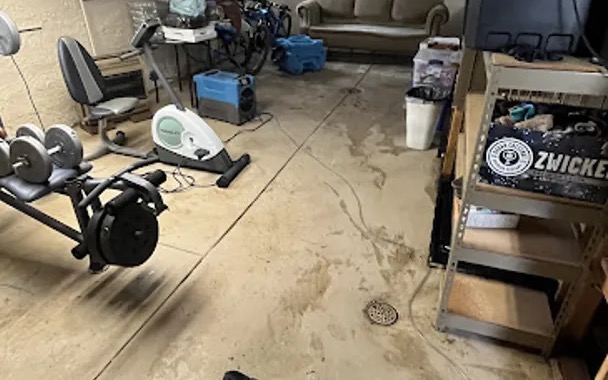
Professional Factory Damage Restoration in Minneapolis, MN
Fast restoration keeps factory downtime short. Disruptions from water intrusion or fire damage can halt production lines and impact revenue. Fast drying protects expensive machinery and inventory. Specialized restoration methods maintain compliance with industrial safety standards.
For factory flooding in Minneapolis, local water extraction experts remove the water and dry the building. They provide services to St. Anthony, Falcon Heights and Columbia Heights as well, using advanced tools for factory leak water extraction and commercial building drying to restore operational safety.
Complete Factory Damage Restoration in Minneapolis
Commercial Building Drying Services
After water extraction is complete, the professional drying phase begins. Air movers and dehumidifiers are placed strategically to remove moisture from walls, floors, and contents, with daily logs often tracking the progress toward dryness.
Factory Storm Damage Water Removal
Storm water coming through damaged roofing or walls threatens electrical systems and inventory. The initial step in storm damage factory repair is often securing the building envelope, followed by extraction of the intruded water.
Factory Moisture Inspection
A moisture inspection finds every wet area. The pros document readings with photos and notes for a restoration guide and insurance claim.
Industrial Roof Leak Water Removal
Removing water from a roof leak involves addressing both the visible pool and the moisture trapped within the roof assembly itself. The drying phase focuses on the substrate to prepare it for subsequent repairs.
Industrial Sewage Backup Cleanup
Sewage backups in factory restrooms or floor drains introduce Category 3 water, which poses serious health risks. Safety protocols for sewage cleanup factory work involve removing the contaminated water and solids, followed by disinfection of all affected surfaces.
Signs Your Factory Needs Damage Restoration in Minneapolis
Water Pooling on Factory Floor
Standing water after a storm or leak needs cleanup. Water extraction prevents machinery damage.
Buckled Warehouse Flooring
Concrete slab buckling is a major sign of severe water damage. Commercial disaster recovery plans must include foundation assessment.
Warped Factory Wall Panels
Warping or bubbling on walls points to ongoing water intrusion. A factory moisture inspection can find the source.
Soggy Insulation in Walls
Wet insulation loses its thermal value and can foster mold. Industrial property restoration involves removing and replacing it.
How Factory Damage Restoration Works in Minneapolis
Step 1: Initial Factory Moisture Inspection
A moisture inspection finds all wet areas and moisture sources. This plan guides the entire industrial mold remediation services if needed.
Step 2: Contaminated Water Extraction
For sewage or flood water, hazardous material protocols are followed during extraction. Factory leak water extraction here protects worker and occupant health.
Step 3: Air Scrubbing and Drying
Air scrubbers filter contaminants while industrial-grade dryers circulate air aggressively. This commercial water removal step cleans the air and dries surfaces fast.
Step 4: Post-Remediation Verification Testing
After drying and cleaning, the area is tested to confirm it is clean and dry. This final step completes the factory fire damage restoration or flood recovery.
Common Causes of Factory Water Damage in Minneapolis
Burst Pipes in Process Lines
High-pressure water or steam lines can fail, spraying the area. The pros contain the leak and extract the water.
Factory Flooding From Storms
Heavy rain can overwhelm drainage and flood low-lying parts of a factory floor, stopping production until the water is removed.
Overland Flooding Into the Building
Nearby water bodies overflowing can inundate ground-floor factory spaces. Water removal gets the business running again.
Foundation Cracks and Seepage
Hydrostatic pressure can push groundwater through cracks in the factory slab. Industrial building drying is needed to stabilize the foundation environment.
Factory Damage Restoration for Commercial Properties in Minneapolis
Factory Damage Restoration for Homeowners
Fire damage in a home leaves behind pervasive soot residues and often significant water from firefighting efforts. The pros tackle the complex cleanup of both elements, cleaning surfaces and drying structural materials to prepare the property for rebuilding.
Factory Damage Restoration for Owners and Facility Managers
Factory fire damage involves complex residues like soot and chemicals deposited on sensitive machinery and structural steel. Factory fire damage restoration focuses on specialized cleaning to minimize corrosion and electrical damage, aiming to protect expensive industrial assets from secondary loss.
When to Choose Factory Damage Restoration Pros Over DIY in Minneapolis
For a very small, isolated leak from a pipe, placing a bucket and using a wet-dry vacuum may be possible. For widespread flooding, contaminated sewage, or storm water across a factory floor, commercial water removal by professionals is the only safe solution to address the volume and potential hazards.
Understanding Factory Damage Restoration Costs in Minneapolis
Material removal needs from a factory flood cleanup can influence the overall project cost in Hennepin County. Complex machinery or electrical systems requiring drying add to the labor hours needed.
Secondary Damage
Mold growth from delayed response or hidden moisture from a factory storm damage water removal job requires additional remediation.
Drying Duration
The time needed to achieve dry standard readings with industrial building drying equipment influences project length and resource use.
Structural Complexity
High ceilings, mezzanines, or concrete subfloors in factories can complicate factory leak water extraction and moisture inspection.
Does Insurance Cover Factory Damage Restoration?
For industrial mold remediation services, coverage typically requires a direct link to a covered water damage event. The pros document the moisture source and the mold growth extent. You must review your policy with your insurer, as mold coverage has specific limitations.
Benefits of Local Pros in Minneapolis
Fire Damage Expertise
Factory fire damage restoration addresses both soot residues and secondary water damage from firefighting efforts in an integrated approach.
Sewage Safety Procedures
Industrial sewage backup cleanup employs proper PPE and EPA-registered disinfectants to address hazardous biological contaminants safely.
Moisture Verification
Thermal imaging and moisture probes confirm the building and its floors are fully dry.
24/7 Emergency Factory Damage Restoration in Minneapolis
Every hour of water exposure adds damage to machinery and inventory. To start leak water extraction or drying, call (612) 688-3131 24/7.
Call Now (612) 688-3131Nearby Areas for Factory Damage Restoration in Minneapolis
Local pros handle industrial water damage in Minneapolis and nearby communities such as St. Anthony, Falcon Heights and Columbia Heights. Services include factory flood cleanup, storm damage repair, and mold remediation.
Industrial Damage Restoration FAQs
What documentation is provided for insurance after factory damage restoration?
The experts provide detailed reports with photos, moisture logs, and a scope of work describing the restoration process performed for your insurance review.
How is water category determined in factory flood cleanup?
Water is categorized by its contamination source, from clean Category 1 to hazardous Category 3 sewage. This dictates the safety and cleanup protocols required.
What are the risks of delayed factory flood cleanup?
Delays increase risks of mold growth, metal corrosion, electrical hazards, and structural weakening. Fast commercial water removal limits secondary damage and business interruption.
Can factory storm damage water removal prevent mold?
Rapid water extraction and industrial building drying after storm intrusion remove the moisture mold needs to grow. Thorough drying is the primary mold prevention step.
What safety measures are taken during factory mold removal?
Containment barriers, negative air machines, and proper respirators are used to isolate the work area and prevent spore spread during industrial mold remediation services.