Minneapolis, MN · Hennepin County
Museum Damage Restoration in Minneapolis, MNMuseum Artifact Salvage & Exhibit Fire Damage Cleanup
For Minneapolis museums, Museum Damage Restoration handles museum mold remediation, exhibit fire damage cleanup and archival document drying services.
Answered 24/7
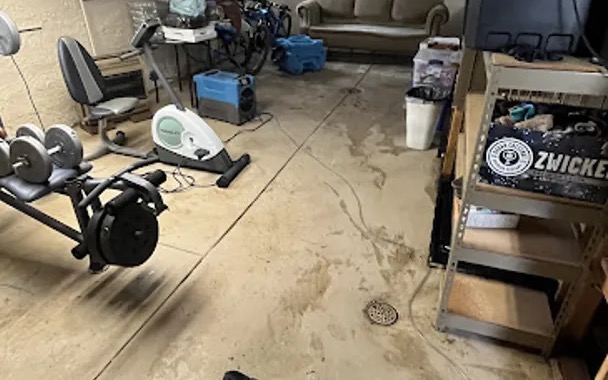
Museum Damage Restoration Response in Minneapolis, Minnesota
In Minneapolis, museums face risks from water leaks, mold growth, and fire incidents that threaten delicate displays. It keeps historical items intact for future generations.
For museums in Minneapolis and nearby St. Anthony, Falcon Heights and Columbia Heights, Museum Damage Restoration covers HVAC water damage and artifact salvage. Small incidents and large losses in Minneapolis both begin with the same careful inspection of the affected space.
Detailed Museum Damage Restoration Offerings in Minneapolis
Museum Artifact Salvage
Pack-out is needed when the building is unstable or needs major repairs. It allows restoration work on the building to proceed while artifact recovery happens simultaneously in a dedicated space.
Exhibit Fire Damage Cleanup
Fire damage cleanup for museum exhibits requires assessing each material's tolerance for cleaning. Pros may use chemical sponges, ultrasonic cleaners, or solvent gels to safely remove residues from metals, ceramics, and painted surfaces.
Sewage Backup Cleanup
Sewage backup cleanup in museums handles contaminated water that is a health risk and can destroy collections. Contaminated water is removed and the space is disinfected.
HVAC System Water Damage Restoration
For museums in Minneapolis, getting the climate control system running again comes first. Local pros work to re-establish the specific environmental conditions needed to safeguard the collection's long-term stability.
Historic Artifact Water Extraction
Water must be removed from historic artifacts right away to prevent permanent damage. Local water removal pros in Minneapolis use controlled extraction methods to protect delicate materials like wood, textiles, and metals from water-related deterioration.
Warning Signs You Need Museum Damage Restoration in Minneapolis
Visible Mold on Display Cases
Fuzzy mold inside climate-controlled display cases means humidity is too high and the case needs drying and checking.
High Humidity Readings on Sensors
Consistent spikes in relative humidity threaten delicate materials. Museum climate control after water damage restores proper preservation conditions.
Musty Odors in Exhibit Halls
A persistent earthy smell often indicates hidden mold growth. Museum mold remediation is needed to protect air quality and collections.
Pooled Water in Collection Storage
Standing water near artifact storage is an emergency. Fast water extraction for art collections prevents irreversible harm.
How Museum Damage Restoration Works in Minneapolis
Step 1: Disaster Scene Security and Assessment
The first action is to secure the area from further damage and perform a thorough assessment. Heritage water removal pros identify all affected artifacts and materials.
Step 2: Targeted Water Extraction and Removal
Pumps and extractors remove water from delicate areas, with gentle methods near fragile items.
Step 3: Environmental Drying for Preservation
The building's climate is aggressively restored using dehumidification. Climate control after water damage stabilizes temperature and humidity.
Step 4: Collection Cleaning and Sanitization
Every salvageable item is cleaned, deodorized, and sanitized as needed. This phase completes the fire damage restoration for museums or water damage recovery process.
Typical Sources of Damage in Museums
Roof Leaks During Heavy Rain
Old roofing or storm damage can let water drip onto exhibits and stored collections.
Foundation Cracks and Seepage
Hydrostatic pressure can push groundwater into lower-level archives. This necessitates structural drying and waterproofing measures.
Chronic High Indoor Humidity
Faulty climate control promotes mold growth on organic collections. Museum mold remediation corrects the issue and treats affected materials.
Sewer Line Backups
Municipal sewer issues or blockages can force contaminated water into basements. Sewage cleanup protects health and the collection.
Museum Damage Restoration for Public and Private Collections in Minneapolis
Water Damage Help for Homes
Fire damage in a home containing fine art creates complex soot and water cleanup challenges. Specialized cleaning is required for delicate surfaces.
Museum Damage Restoration for Owners and Managers
Any institution holding a public trust collection must plan for disasters. A sewage incident in a restroom adjacent to galleries poses a contamination threat.
Handling Museum Damage: DIY Risks and Local Pros Solutions
If you notice a small, isolated leak in a non-collection area, you can place a bucket and move any portable items away from the water. However, for any water contacting artifacts, display cases, or archival storage, you must call the pros for museum damage restoration to prevent staining and warping.
Evaluating Museum Damage Restoration Expenses in Minneapolis
The cost of museum damage restoration in Minneapolis also depends on how long humidity control and monitoring are needed after extraction.
Contamination Level
Sewage backup cleanup requires rigorous biocontainment and disinfectant protocols not needed for clean water leaks, affecting safety procedures and material costs.
Type of Damaged Materials
Drying waterlogged paintings takes different methods from drying soaked textiles, which changes the labor and equipment needed.
Artifact Pack-Out Scale
The number of items that have to be packed out and moved for off-site drying affects labor and transport.
Does Insurance Cover Museum Damage Restoration?
Determining if insurance covers fire damage restoration for museums requires reviewing your policy. Specialists document the soot and water damage extensively. It is your responsibility to file the claim and confirm coverage specifics with your insurance agent.
Selecting Local Pros for Museum Damage Restoration in Minneapolis, MN
Climate-Controlled Drying
Temperature and humidity must be controlled. This technique is used in archival document drying services to prevent warping, mold, and other secondary damage.
Detailed Damage Documentation
Thorough photo and moisture documentation is standard. This creates a clear record for your institution's assessment and any necessary insurance processes.
Fire and Soot Remediation
Displays and building materials are cleaned of soot and smoke odor with methods suited to each surface.
Emergency Museum Damage Restoration Response for Minneapolis Museums
A water leak or fire in a museum demands quick action to protect irreplaceable collections. For emergency museum drying services and stabilization in Minneapolis, call the pros now at (612) 688-3131.
Call Now (612) 688-3131Museum Damage Restoration Available Across the Minneapolis Region
In Minneapolis, institutions can get help with everything from sewage cleanup to structural drying. Service also covers the wider area, including St. Anthony, Falcon Heights and Columbia Heights.
Frequently Asked Museum Damage Restoration Questions
What makes museum mold remediation different?
It requires stringent containment to protect unaffected collections and air filtration to capture spores. Methods must be safe for use around historic materials and integrated artifacts.
What are emergency response priorities for museum disasters?
Make the site safe, stop the damage source, stabilize the environment and protect the most vulnerable items first.
What does museum artifact salvage and pack-out entail?
It involves carefully inventorying, stabilizing, and packing damaged items for secure transport to a controlled off-site facility for further restoration and drying, prioritizing fragile pieces.
How is exhibit fire damage cleanup handled?
The process involves soot removal from surfaces and artifacts, odor neutralization, and addressing any water used by firefighting. Special cleaning agents are used on sensitive display materials.
Is sewage backup cleanup in museums a health hazard?
Yes, it involves dangerous pathogens. The cleanup requires full personal protective equipment, removal of contaminated materials, and hospital-grade disinfection of affected spaces.